Showing posts with label Arts and Culture. Show all posts

Thursday, 1 August 2024

Monasteries in Northern India


Northern India, renowned for its picturesque landscapes and spiritual heritage, hosts an array of significant monasteries. These sacred institutions, spanning various religious traditions, offer a glimpse into the region's rich historical and cultural tapestry.


Historical Evolution


Monasteries in Northern India have a storied history that dates back to ancient times. The roots of Buddhist monasteries trace to the 5th century BCE, with foundational sites like Sarnath and Bodh Gaya marking pivotal moments in the development of Buddhism. Emperor Ashoka’s support in the 3rd century BCE facilitated the expansion of these monastic communities across the subcontinent.


The Himalayan region saw the introduction of Tibetan Buddhism around the 10th century CE. Notable monasteries such as Key Monastery in Spiti Valley and Tabo Monastery, established during this period, reflect the influence of Tibetan religious practices. The 20th-century arrival of Tibetan refugees further bolstered the presence and vitality of these monasteries in Northern India.


Methodological Practices


The operational methodologies of Northern Indian monasteries vary according to their religious affiliations. In Buddhist monasteries, adherence to the Vinaya Pitaka—rules for monastic discipline—guides daily activities. Monks and nuns engage in meditation, scriptural study, and community service as part of their path to enlightenment.


Hindu and Jain monasteries adopt distinct practices reflective of their respective traditions. Hindu monasteries often focus on devotional worship (bhakti), ritualistic practices, and philosophical study, while Jain monasteries emphasize asceticism and the principle of non-violence (ahimsa). Both types of monasteries prioritize communal living and spiritual discipline.


Types of Monasteries


Northern Indian monasteries can be broadly categorized based on their religious traditions. Buddhist monasteries include Theravada, Mahayana, and Vajrayana sects, each with unique practices and teachings. Hindu monasteries are associated with various sects, such as Shaiva and Vaishnava, reflecting a range of devotional and philosophical orientations. Jain monasteries are primarily divided between the Digambara and Svetambara sects, each with distinct practices and beliefs.


In essence, monasteries in Northern India serve as vibrant centers of spiritual life, scholarship, and cultural preservation. Their historical significance, varied methodologies, and diverse types underscore their role in the rich spiritual landscape of the region.


Monday, 24 June 2024

Unveiling the Splendor of West Indian Sarees


Sarees from West India are not just garments but reflections of rich cultural heritage, craftsmanship, and timeless elegance. Sarees of West India showcase a wide variety in the variation of sarees and each type carry a distinct character that is typical of this region.This region encompasses states like Gujarat, Rajasthan, and Maharashtra, each contributing distinct styles and techniques to the world of Indian textiles.


Historical Heritage:

The history of sarees in West India traces back centuries, evolving through influences from trade routes, royal patronage, and local craftsmanship. Artisans in Gujarat, Rajasthan, and Maharashtra have preserved traditional weaving methods, ensuring these sarees remain emblematic of regional identity and artistry.


Traditional Techniques:

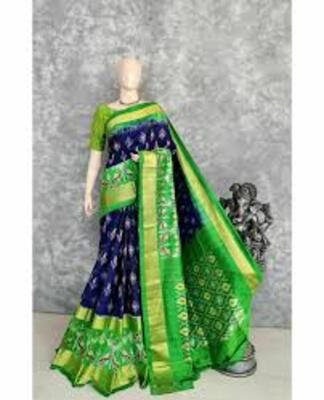
Handloom weaving is central to the creation of West Indian sarees, a labor-intensive process that highlights the skill and dedication of artisans. Techniques like bandhani (tie-dye), patola (double ikat), and intricate embroidery such as chikankari and mirror work are integral to many saree types in this region.


Types of West Indian Sarees:


1. Bandhani Saree (Gujarat and Rajasthan): Bandhani sarees are renowned for their vibrant colors and intricate patterns created through the tie-dye technique. These sarees feature dots, squares, or waves formed by tying small portions of fabric before dyeing, reflecting the region's festive spirit and meticulous craftsmanship.


2. Patola Saree (Gujarat): Patola sarees are crafted using the complex double ikat technique, where both warp and weft threads are resist-dyed before weaving. These sarees are prized for their geometric designs and rich colors, often symbolizing status and tradition.


3. Paithani Saree (Maharashtra): Originating from Maharashtra, Paithani sarees are characterized by their use of pure silk and traditional motifs like peacocks and lotuses. They are known for their vibrant color combinations and intricately woven borders in metallic zari, making them popular for weddings and special occasions.


4. Leheriya Saree (Rajasthan): Leheriya sarees are famous for their unique tie-dye patterns in diagonal waves, symbolizing the flow of water and monsoon rains. These sarees are vibrant and colorful, often worn during festivals and celebrations in Rajasthan.


5. Chanderi Saree (Madhya Pradesh): While primarily from Madhya Pradesh, Chanderi sarees are also popular in West India for their sheer texture, lightweight feel, and traditional motifs like butis (small designs) and floral patterns.


West Indian sarees showcase a blend of tradition, craftsmanship, and artistic finesse that continues to enchant saree enthusiasts worldwide. They exemplify the region's cultural narratives and are treasured as timeless pieces of wearable art, bridging the past with contemporary fashion sensibilities.


In essence, West Indian sarees are not just attire but cultural icons, embodying the essence of regional diversity and craftsmanship that have stood the test of time.


Sunday, 23 June 2024

"Legacy Woven: Exploring India's Timeless Sarees"


India's rich cultural heritage is evident in the diverse array of traditional attire that has been cherished and passed down through generations. Traditional Indian Sarees speak in volumes about the Indian mass culture. At the forefront of this sartorial tapestry is the iconic Indian saree, a garment that transcends the boundaries of fashion and serves as a testament to the country's enduring artistic traditions.


The origins of the saree can be traced back to the Indus Valley Civilization, where ancient records and archaeological findings suggest the use of draped garments reminiscent of the modern saree. Over the centuries, the saree has evolved, reflecting the various regional influences and artistic sensibilities that have shaped the Indian subcontinent. From the intricate Banarasi sarees of Uttar Pradesh to the vibrant Kanjeevaram sarees of Tamil Nadu, each style is a unique manifestation of the local weaving techniques and cultural narratives.


The craftsmanship behind traditional Indian sarees is nothing short of remarkable. The meticulous process often involves the use of intricate embroidery, delicate hand-painted motifs, and the skillful application of complex dyeing methods. Artisans, whose families have honed their craft for generations, meticulously weave the fabric, painstakingly incorporating intricate designs and patterns that reflect the rich tapestry of Indian heritage.


Types: India boasts a plethora of saree types, each reflecting local heritage and craftsmanship:

1.       Banarasi Saree: Known for its opulent silk and intricate brocade work, Banarasi sarees are cherished for weddings and special occasions.

2.       Kanjivaram Saree: Hailing from Tamil Nadu, these silk sarees are renowned for their vibrant colors, temple motifs, and heavy golden borders.

3.       Paithani Saree: Originating from Maharashtra, Paithani sarees feature peacock and lotus motifs woven in silk with a rich pallu.

4.       Chanderi Saree: From Madhya Pradesh, Chanderi sarees are lightweight, known for their sheer texture, and often adorned with gold or silver zari.

5.       Bandhani Saree: Found in Rajasthan and Gujarat, Bandhani sarees are tie-dyed by skilled artisans, creating intricate patterns.

6.       Assam Silk Saree: Muga, Eri, and Pat silk sarees from Assam are valued for their natural sheen, durability, and ethnic motifs.

In the ever-changing landscape of fashion, the saree remains a cherished symbol of India's enduring cultural heritage, a testament to the timeless elegance and craftsmanship that continues to captivate audiences across the world.

Thursday, 20 June 2024

"Timeless Art: Pochampally Ikat Sarees"


Pochampally, a quaint town nestled in the heart of Telangana, India, is renowned for its exquisite Ikat sarees, a testament to the region's rich cultural heritage. These captivating textiles have captivated the hearts of fashion enthusiasts and connoisseurs alike, with their intricate patterns and mesmerizing designs.

The origins of Pochampally Ikat sarees can be traced back to the 11th century, when the art of Ikat weaving was first introduced to the region. The term "Ikat" refers to the unique dyeing technique employed, where the warp or weft threads are meticulously tied and dyed before being woven into the fabric. This intricate process, which requires immense skill and patience, results in the distinctive patterns that adorn these sarees

The Pochampally Ikat weaving tradition has been passed down through generations, with skilled artisans meticulously preserving the age-old techniques. The process begins with the selection of high-quality cotton or silk threads, which are then carefully tied and dyed in vibrant hues. The dyed threads are then painstakingly woven into the fabric, creating intricate geometric patterns and motifs that are unique to the Pochampally region.

Types: Pochampally Ikat sarees are categorized based on their weave and designs. The most popular types include:

  1. Single Ikat: Here, either the warp (lengthwise yarns) or weft (widthwise yarns) threads are resist-dyed before weaving. The contrasting alignment during weaving creates a distinct blurred effect.
  2. Double Ikat: Considered the pinnacle of skill in Ikat weaving, both the warp and weft threads are resist-dyed to create precise patterns that align perfectly when woven. This requires exceptional craftsmanship and is more time-consuming.

In conclusion, Pochampally Ikat sarees continue to captivate fashion enthusiasts and textile connoisseurs worldwide with their timeless elegance and craftsmanship. They not only preserve ancient weaving traditions but also empower local artisans, ensuring the legacy of this exquisite textile art form endures for generations to come.


Wednesday, 19 June 2024

"Chettinad Sarees: Crafted Elegance"


Chettinad sarees, renowned for their rich heritage and intricate craftsmanship, hold a distinguished place in the realm of Indian textiles. Chettinad sarees are created in such a way that it becomes heavy and weighty. Originating from the Chettinad region in Tamil Nadu, these sarees are celebrated for their unique weaving techniques, vibrant colors, and distinctive motifs, making them a cherished choice among connoisseurs of traditional Indian attire.

History

The history of Chettinad sarees dates back several centuries, rooted in the entrepreneurial spirit of the Chettiar community. Known for their business acumen and global trade connections during the British era, the Chettiars facilitated the flourishing of traditional crafts in their homeland. This patronage led to the emergence of Chettinad sarees as a prominent textile art form. The sarees are traditionally woven using pure cotton, reflecting the region’s climate and cultural preferences.

 Method

Chettinad sarees are primarily woven on handlooms by skilled artisans who have inherited the art of weaving from their ancestors. The weaving process involves intricate techniques such as the 'kandanghi' weave, where patterns are incorporated using different colored threads. The borders and pallus of these sarees often feature elaborate designs inspired by nature, mythology, and geometric patterns, each intricately crafted to perfection.

Types of Chettinad Sarees

Chettinad sarees are broadly categorized into two types based on their design and motifs:

1. Plain Border Sarees: These sarees feature a plain body with a contrasting border adorned with simple yet elegant designs. They are preferred for daily wear and casual occasions.

2. Embroidered Sarees: Characterized by intricate embroidery work, these sarees are considered more elaborate and are often chosen for special occasions like weddings and festivities. The embroidery includes motifs like peacocks, flowers, and traditional patterns, skillfully crafted to enhance the beauty of the saree.

In conclusion, Chettinad sarees stand as a testament to the artistic prowess and cultural identity of the Chettinad region. With their timeless elegance and meticulous craftsmanship, these sarees continue to captivate admirers of Indian textiles worldwide, preserving their legacy for generations to come.

Tuesday, 18 June 2024

Georgette Sarees: A Timeless Elegance


Georgette sarees have long been a cherished part of Indian fashion and culture, captivating the hearts of women across the globe. Originating from the rich textile heritage of the Indian subcontinent, these delicate and lightweight fabrics have evolved over time to become a symbol of grace and sophistication. Georgette saree is very similar to crepe and is clingy and springy due to which it drapes really well and is in trend among women to use them in their fashion apparel.


The History of Georgette Sarees

The origins of Georgette sarees can be traced back to the early 20th century, when the fabric was first introduced in India. Named after the French-Swiss inventor, Georgette de la Plante, this sheer, crepe-like material was initially used for blouses and dresses. However, it soon gained popularity among Indian women, who recognized its versatility and adaptability to the traditional saree drape.

The Method of Georgette Saree Production

Georgette is woven in a plain weave, which gives it a slightly crinkled texture. Its characteristic strength and durability make it suitable for draping into elegant sarees that complement the Indian silhouette beautifully. Traditional handloom methods and modern power looms are both used in its production, with artisans often embellishing georgette sarees with intricate embroidery or prints.

Types of Georgette Sarees

Georgette sarees come in a wide array of designs and patterns, catering to the diverse preferences of modern women. From classic solid colors to intricate floral motifs, embroidered patterns, and vibrant digital prints, the versatility of Georgette allows for endless sartorial possibilities. Additionally, Georgette sarees can be found in a variety of price points, making them accessible to a broad range of consumers.

Conclusion

Georgette sarees have endured the test of time, captivating generations of women with their timeless elegance and adaptability. As a testament to the rich cultural heritage of India, these delicate fabrics continue to hold a special place in the hearts of fashion enthusiasts and traditionalists alike, embodying the essence of Indian sartorial excellence.

Monday, 17 June 2024

"Patola Sarees: Weaving Legends of Gujarat's Textile Heritage


Patola sarees are among the most exquisite and revered textiles of India, known for their intricate designs and unparalleled craftsmanship. Originating from Patan in Gujarat, these Patola sarees embody centuries-old weaving traditions that have been passed down through generations. The Patola fabric has Gujarati origin. Patola silk is the contribution of a community called the Salvis, a class of jains.


History:

The history of Patola sarees can be traced back over 700 years. These sarees were originally woven for royalty and aristocrats, showcasing the wealth and status of the wearer. The intricate patterns and motifs on Patola sarees often depict religious symbols, geometric shapes, and nature-inspired designs. Each saree is a masterpiece of artistry and skill, taking months or even years to complete.

Method:

The unique feature of Patola sarees lies in their double ikat weaving technique. This involves resist-dyeing both the warp and weft threads before weaving, ensuring that the patterns appear identical on both sides of the fabric. This meticulous process demands exceptional precision and expertise from the weavers, who meticulously align thousands of threads to create seamless designs.

Types:

There are primarily two types of Patola sarees based on their origin and weaving technique:

1. Rajkot Patola: Woven in the town of Rajkot in Gujarat, these sarees are known for their bold colors and geometric patterns. Rajkot Patola sarees are favored for their vibrancy and are often worn during weddings and auspicious ceremonies.

2. Patan Patola: Woven in Patan, these sarees are celebrated for their intricate motifs and traditional designs. Patan Patola sarees are considered highly prestigious and are worn by brides and during important cultural events.

In conclusion, Patola sarees stand as a testament with their intricate designs, rich colors, and superior quality, Patola sarees continue to be a symbol of luxury and elegance, cherished by women across the globe.

Saturday, 15 June 2024

Banarasi Sarees: Timeless Elegance


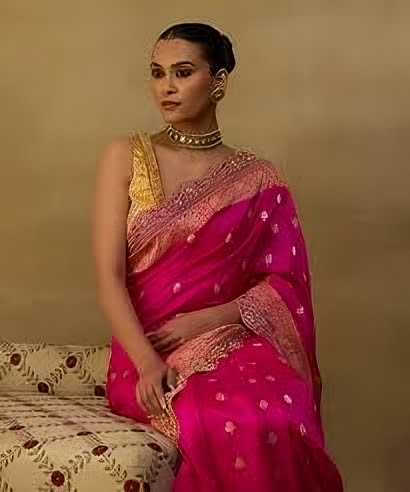
Banarasi sarees hold a significant place in the realm of Indian traditional attire, revered for their exquisite craftsmanship and timeless elegance. Originating from the city of Varanasi, also known as Banaras, in the state of Uttar Pradesh, these sarees boast a rich history that dates back several centuries. The traditional Banarasi sarees are among the finest sarees in India and are known for their gold and silver brocade or zari, fine silk and opulent embroidery. 


History:

The history of Banarasi sarees can be traced back to the Mughal era, where they were patronized by the royal families and nobility. Over the years, the art of weaving Banarasi sarees has been passed down through generations, with weavers meticulously handcrafting each saree with precision and care. Banarasi sarees soon became synonymous with elegance and sophistication, favored by royalty and aristocracy across the Indian subcontinent.

Method:

The creation of Banarasi sarees involves a meticulous weaving process that showcases the craftsmanship and skill of the artisans. Traditionally, these sarees are woven on handlooms using fine silk threads, often infused with gold or silver zari (metallic thread) for added richness. The intricate designs, including floral motifs, paisleys, and intricate borders, are meticulously woven into the fabric using techniques such as kadwa (figured weaving) and jaala (openwork).

Types:

1.       Katan Silk Banarasi: Katan silk Banarasi sarees are crafted from pure silk yarns, known for their smooth texture and lustrous sheen.

2.       Organza Banarasi: Organza Banarasi sarees are crafted from lightweight silk organza fabric, known for its sheer and translucent appearance.

3.       Tissue Banarasi: Tissue Banarasi sarees feature a blend of silk and metallic threads, giving them a shimmering and luxurious appearance.

In conclusion, Banarasi sarees represent the epitome of elegance and sophistication in Indian fashion. With their rich history, exquisite craftsmanship, and timeless allure, these sarees continue to enchant fashion enthusiasts worldwide, serving as a timeless symbol of India's cultural heritage.

Thursday, 13 June 2024

Venkatagiri Sarees


Venkatagiri sarees are an epitome of elegance and grace, revered for their intricate designs and fine craftsmanship. Originating from the town of Venkatagiri in Andhra Pradesh, India, these sarees boast a rich history dating back to the 1700s during the rule of the Venkatagiri dynasty. Venkatagiri sarees stand as a testament to the rich cultural heritage and exquisite craftsmanship of South India. Initially, these sarees were exclusively woven for the royalty and nobility, reflecting their grandeur and sophistication.


The history of Venkatagiri sarees can be traced back to the 18th century when they were patronized by the royals and nobles of the Venkatagiri principality. Initially woven exclusively for the aristocracy, these sarees soon gained popularity beyond the royal courts, becoming a cherished wardrobe staple among the elite. The art of weaving and dyeing of cotton is a 5000 year old art in India. In fact, this art was invented in India and then pervaded Egypt and China. The weaving method of Venkatagiri sarees involves the use of lightweight cotton fabric and traditional pit looms. Skilled artisans meticulously hand-weave these sarees, incorporating intricate zari work, exquisite embroidery, and delicate embellishments. The signature motifs of Venkatagiri sarees often include depictions of flora, fauna, and geometric patterns, showcasing the weavers' attention to detail and artistic finesse.


Types:

1.       Venkatagiri Cotton Sarees: Crafted from fine cotton yarns, Venkatagiri cotton sarees are prized for their lightweight and breathable fabric, making them ideal for everyday wear.

2.       Venkatagiri Silk Sarees: Renowned for their luxurious texture and lustrous sheen, Venkatagiri silk sarees are a symbol of elegance and sophistication.

3.       Venkatagiri Handloom Sarees: Handloom sarees from Venkatagiri are cherished for their exquisite craftsmanship and timeless appeal.


In conclusion, Venkatagiri sarees continue to captivate connoisseurs of traditional Indian textiles with their timeless charm and exquisite craftsmanship. With their rich history, meticulous craftsmanship, and diverse range of styles, these sarees continue to enchant aficionados worldwide, preserving the legacy of traditional Indian textiles for generations to come.

Wednesday, 12 June 2024

Unraveling the Timeless Elegance of Kanjeevaram Sarees


Kanjeevaram sarees, also known as Kanchipuram sarees, are a traditional type of saree that Originating from the temple town of Kanchipuram in Tamil Nadu, India, these sarees have a storied history and continue to be revered as epitomes of South Indian craftsmanship and tradition. These sarees are highly prized for their rich silk fabric, intricate designs, and vibrant colors. In this article, we will delve into the history, production methods, and types of Kanjeevaram sarees.


History: The history of Kanjeevaram sarees dates back to the ancient city of Kanchipuram, which has been a center for silk weaving since the 15th century. It is believed that the art of weaving silk was brought to the region by Sage Markanda, who is considered to be the master weaver of the Gods in Hindu mythology. Over the centuries, the artistry of Kanjeevaram sarees has flourished, with each saree reflecting the cultural ethos and artistic sensibilities of its weavers.

The method of crafting Kanjeevaram sarees is a meticulous process that requires skilled artisans and superior-quality materials. The sarees are traditionally woven using pure mulberry silk threads, known for their lustrous texture and durability. The distinctive feature of Kanjeevaram sarees lies in their heavy zari work, which is created by intricately weaving gold or silver-coated threads into the fabric. This process adds a regal touch to the sarees, making them ideal for weddings, festivals, and other grand occasions.

Types: There are various types of Kanjeevaram sarees distinguished by their designs, motifs, and borders. Some popular types include the traditional checks pattern, temple border sarees featuring intricate motifs of temples, peacock and elephant motifs sarees symbolizing grace and royalty, and contemporary designer Kanjeevaram sarees blending traditional and modern aesthetics. Additionally, Kanjeevaram sarees are available in a spectrum of colors, ranging from vibrant hues like red, green, and blue to subtle pastels and earthy tones, catering to diverse tastes and preferences.

In conclusion, Kanjeevaram sarees are not just pieces of clothing but works of art that represent the cultural and traditional legacy of South India. Whether draped for a wedding ceremony, religious festival, or celebratory event, a Kanjeevaram saree epitomizes the timeless beauty and grace of Indian ethnic wear.

Tuesday, 11 June 2024

Muga Silk Sarees


Muga silk sarees, originating from the northeastern state of Assam in India, boast a rich history and unique production method, making them a cherished part of the country's textile heritage The Muga silk sarees is a produce of the silkworm and only in Assam, which makes this saree one of the finest rarest and extremely costly. Muga Silk is supposed to be one of the costliest fabrics in the whole world.


History:

Muga silk, also known as "golden silk," is derived from the silkworm Antheraea assamensis, which feeds on the leaves of the aromatic som and soalu plants native to Assam. The history of Muga silk dates back centuries, with mentions found in ancient texts and inscriptions. Legend has it that the silk was worn by royalty and nobility in Assam since ancient times. The silk derives its name from the Assamese word "Muga," meaning yellow, which refers to its distinctive golden color. Traditionally, Muga silk sarees were worn by Assamese brides as a symbol of prosperity and auspiciousness.

Method:

The production of Muga silk involves a labor-intensive process that begins with the rearing of silkworms. The silkworms feed on the leaves of the som (Machilus bombycina) and soalu (Litsea polyantha) trees, which impart a unique quality to the silk. After the silkworms complete their cocoons, the silk filaments are carefully harvested and spun into yarn. The weaving process requires precision and expertise to create the intricate designs that adorn Muga silk sarees, making each piece a true work of art.

Types:

There are several types of Muga silk sarees, each distinguished by its weave, design, and embellishments. Some popular varieties include the Mekhela Chador, a two-piece attire worn by Assamese women, and the Pat Muga, which is characterized by its intricate patterns and golden hue. Additionally, Muga silk sarees may feature zari work, embroidery, and other decorative elements, adding to their allure and elegance.

In conclusion, Muga silk sarees are not just garments; they are a testament to the rich craftsmanship, cultural heritage, and timeless elegance of Assam. These sarees continue to be prized possessions, symbolizing tradition, elegance, and timeless beauty.

Friday, 7 June 2024

Sarees of North East India


Sarees hold an irreplaceable significance in Indian culture, reflecting regional diversity and historical legacies. In the northeastern region of India, the saree tradition is deeply rooted in the historical, cultural, and artistic fabric of the communities. Each saree is a labor of love, showcasing the rich cultural tapestry of the northeast through its vibrant colors, intricate patterns, and unique motifs. Let's delve into the captivating history, intricate methods, and diverse types of Sarees from North East India.


The history of sarees in North East India dates back centuries, intertwined with the rich tapestry of indigenous tribes and ethnic groups. These sarees were not merely garments but carriers of tradition, customs, and identity. Over generations, each community has contributed distinct weaving techniques, motifs, and designs to the repertoire of northeastern sarees.

The method of crafting sarees in North East India is a meticulous process, often involving handloom weaving passed down through generations. creating these traditional garments involves a meticulous process that requires skilled artisans to work with various fabrics, dyes, and weaving techniques. Skilled artisans meticulously weave intricate patterns using traditional looms, creating masterpieces that embody cultural narratives and artistic expressions. Natural fibers like silk, cotton, and muga silk are predominantly used, ensuring both durability and elegance.

Types of Sarees:

1. Assamese Mekhela Chador: Originating from Assam, the Mekhela Chador comprises a two-piece attire with intricate motifs adorning the fabric. The motifs often depict elements from nature, reflecting Assam's lush landscapes and vibrant flora.

2. Manipuri Phanek and Innaphi: Manipur's saree tradition is epitomized by the Phanek, a wrap-around cloth worn by Manipuri women, and the Innaphi, a shawl-like garment. These sarees feature vibrant colors and geometric patterns, symbolizing the vibrancy and dynamism of Manipuri culture.

3. Naga Shawls: Among the Naga tribes, intricately woven shawls play a vital role in their cultural attire. These shawls, often made of locally sourced materials, showcase distinctive tribal motifs and patterns, representing the community's social status and identity.

4. Mizo Puon: The Mizo Puon, worn by women in Mizoram, is a traditional attire characterized by vibrant colors and intricate handwoven designs. These sarees are often adorned with traditional motifs that reflect the Mizo people's reverence for nature and their rich cultural heritage.

In conclusion, the Sarees of North East India encapsulate a rich tapestry of history, craftsmanship, and cultural diversity. From the traditional weaving techniques passed down through generations to the modern innovations that continue to push the boundaries of design, these sarees represent a harmonious blend of tradition and creativity Each weave tells a story, preserving age-old traditions while embracing contemporary influences, making them not just garments but embodiments of cultural pride and heritage.


Wednesday, 5 June 2024

Embroidered Tinsel Sarees: A Gleaming Tradition


Embroidered Tinsel Sarees are the pride of West India. The embroidered tinsel saree is a dazzling testament to the rich cultural heritage of India, blending traditional craftsmanship with contemporary elegance. Originating from the vibrant tapestry of Indian textiles, these sarees have evolved over centuries, reflecting diverse regional influences and artistic techniques.


The history of embroidered tinsel sarees can be traced back to ancient India, where skilled artisans meticulously embellished textile fabrics with metallic threads, beads, and sequins. Over time, the artistry of saree embroidery expanded to incorporate metallic threads, known as tinsel, adding a lustrous sheen to the fabric. The method of creating embroidered tinsel sarees is a laborious and intricate process that requires precision and patience. The saree fabric is first selected, usually silk or chiffon, for its ability to hold the elaborate embroidery. Then, fine metallic threads, often made of gold or silver, are delicately woven into the fabric using specialized needles and techniques such as zardozi, dabka, or gota patti. These methods result in exquisite designs ranging from floral patterns to geometric motifs, each reflecting the cultural heritage of its region.

Embroidered tinsel sarees come in a variety of styles, each with its own unique characteristics.  For example, Banarasi sarees from Varanasi are renowned for their intricate zari work, while Kanjivaram sarees from Tamil Nadu feature stunning gold and silver thread embroidery. Other popular styles include Chikankari sarees from Lucknow and Bandhani sarees from Rajasthan, each reflecting the cultural heritage of their respective regions.

In conclusion, embroidered tinsel sarees stand as a testament to India's rich textile heritage, blending traditional techniques with contemporary designs to create garments of timeless beauty. Embrace the allure of embroidered tinsel sarees and add a touch of glamour to your wardrobe today.


Tuesday, 4 June 2024

Sarees of East India: A Tapestry of Tradition and Elegance


The saree, a quintessential symbol of Indian culture, holds a special place in the hearts of millions. In East India, this traditional attire embodies a rich heritage, with each weave telling a story of craftsmanship and tradition. Sarees hold a special place in the hearts of Indian women, and each region in India boasts its own unique styles and techniques of saree-making. In East India, particularly in states like West Bengal, Odisha, and Assam, sarees are not just garments - they are pieces of art that embody centuries of tradition and culture.


One of the most famous types of sarees from East India is the Baluchari saree, originating from the town of Baluchar in West Bengal. These sarees are known for their intricately woven silk fabric depicting mythological scenes and nature motifs. Another renowned saree from East India is the Sambalpuri saree from Odisha. These sarees are handwoven using a unique tie-and-dye technique known as 'Ikkat'. The intricate designs on Sambalpuri sarees often feature traditional motifs like shells, flowers, and animals, showcasing the skill and craftsmanship of the weavers.

The northeastern states of India also contribute to the rich tapestry of Eastern sarees. Assam is famous for its Muga silk sarees, woven from the golden silk produced by the indigenous Muga silkworms. These sarees are prized for their natural sheen and durability, often adorned with intricate Assamese motifs inspired by nature. The history of south East Indian sarees is as fascinating as the garments themselves. Many of these saree traditions date back centuries, with techniques passed down through generations of artisans.

In conclusion, sarees from East India are not just garments but a representation of the rich cultural heritage and artistic traditions of the region. The types, methods, and history of East Indian sarees reflect the deep-rooted connection between art, tradition, and history, making them a true symbol of Indian craftsmanship and elegance.