Showing posts with label hindusim. Show all posts

Tuesday, 8 October 2024

Goddess Mathamma: The Divine Protector of Health and Community


Goddess Mathamma is a significant folk deity predominantly worshipped in the southern states of India, particularly in Andhra Pradesh and Telangana. She is venerated as a guardian of health, fertility, and community welfare, embodying the protective spirit essential for the well-being of her devotees.

Origins and Iconography

The origins of Mathamma are deeply entrenched in local folklore, with various legends emphasizing her role as a fierce protector of her devotees. Although not part of the mainstream Hindu pantheon, Mathamma is recognized as an incarnation of Shakti, the divine feminine energy. Her iconography typically features her adorned in traditional attire and jewelry, often depicted with symbols of protection, such as a sword or a pot of grains, which signify nourishment and safety.

Worship and Rituals

Devotees establish small shrines in their homes or community spaces, where they present offerings of flowers, fruits, and traditional dishes.

The "Mathamma Jatara" is a prominent annual festival that attracts thousands of pilgrims. During this celebration, participants engage in processions, music, and dance, fostering a strong sense of community and devotion.

Cultural Significance

Goddess Mathamma plays a crucial role in the lives of rural populations, being commonly invoked for health-related issues. Rituals dedicated to her are believed to protect families from illnesses and misfortunes.

Local narratives frequently depict Mathamma as a compassionate figure who intervenes in times of crisis, reinforcing her bond with the community and making her an integral part of local traditions.

Modern Relevance

In contemporary society, Mathamma continues to inspire devotion and a sense of cultural identity. Many individuals, even those who have migrated to urban areas, maintain their connections to her worship, ensuring the preservation of traditional practices.

Her influence extends beyond rural confines, symbolizing resilience and community solidarity in the face of modern challenges.

Conclusion

Goddess Mathamma represents more than just a deity; she embodies the collective spirit of her followers. Her worship highlights the interplay between spirituality and daily life, emphasizing the importance of community, health, and protection in fostering well-being and cultural continuity.


Goddess Bangaramma: The Divine Guardian of Fertility and Prosperity


Goddess Bangaramma is a prominent deity in the rural regions of South India, particularly in Andhra Pradesh and Telangana. Revered as a symbol of fertility, prosperity, and protection, she holds a special place in the hearts of her devotees, particularly among agrarian communities.

Origins and Mythology

The origins of Goddess Bangaramma are steeped in local folklore, often intertwined with tales of miraculous events and divine interventions. She is believed to have emerged from the earth itself, embodying the nurturing aspects of nature. Her name, "Bangaramma," translates to "Golden Mother," signifying her association with wealth and abundance. Local legends depict her as a powerful figure who grants fertility to women and ensures bountiful harvests for farmers.

Iconography and Temples

Goddess Bangaramma is typically depicted as a radiant figure adorned with traditional jewelry and vibrant clothing. She is often shown holding symbols of fertility, such as grains or fruits, emphasizing her role in agriculture and sustenance. Temples dedicated to her can be found in various villages, serving as spiritual and cultural hubs. These temples are often adorned with colorful murals and sculptures that narrate her divine stories and benevolent acts.

Festivals and Rituals

The most significant celebration dedicated to Goddess Bangaramma is the annual Bangaramma Jatara, a vibrant festival that attracts devotees from near and far. During this event, people participate in processions, dance, and music, expressing their devotion and gratitude. Rituals may include offerings of flowers, fruits, and traditional dishes, along with prayers for fertility and prosperity in both personal and agricultural pursuits.

Cultural Impact

Beyond her religious significance, Goddess Bangaramma plays a vital role in the social fabric of rural communities. She is often viewed as a mother figure, providing strength and solace to women and families. Her worship fosters a sense of community and unity, encouraging shared values of cooperation and support among villagers.

In conclusion, Goddess Bangaramma is not just a deity but a symbol of life, abundance, and community resilience. Her presence enriches the cultural heritage of South India, making her a cherished figure in the hearts of her devotees.


Monday, 7 October 2024

Goddess Jagaddhatri: The Divine Mother of the Universe


Goddess Jagaddhatri is a revered form of the Divine Mother in Hinduism, particularly worshipped in Bengal, India. She represents the cosmic mother, symbolizing the nurturing and protective aspects of femininity. The name "Jagaddhatri" translates to "the one who sustains the universe," reflecting her role as the sustainer and protector of all creation.


Origins and Mythology

Goddess Jagaddhatri is often associated with the mythological texts of Hinduism. Her worship is believed to have originated in the 18th century in Bengal, particularly popularized by the famous king Krishnachandra Roy of Nadia. Legends describe her as the embodiment of Shakti, the divine feminine energy, and a form of the goddess Durga. She is said to have manifested to combat the demon king, Shumbha, who threatened the stability of the universe.


Iconography and Worship

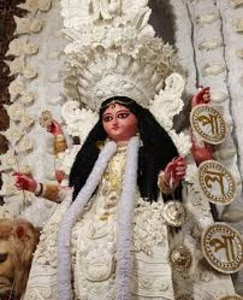
Jagaddhatri is typically depicted seated on a lion or a tiger, symbolizing her power and courage. She is often shown with four arms, holding various symbols such as a conch shell, discus, sword, and lotus. These items represent her divine attributes, including protection, prosperity, and purity.

The festival of Jagaddhatri Puja, held annually in October or November, is a major event for her devotees. The celebrations involve elaborate rituals, vibrant processions, and cultural performances. Devotees offer prayers, fruits, sweets, and flowers at beautifully decorated altars, seeking her blessings for peace, prosperity, and well-being.


Cultural Significance

The worship of Jagaddhatri is deeply embedded in Bengali culture. The festival serves not only as a religious observance but also as a celebration of community and unity. It fosters social bonds, as people come together to participate in the festivities, share food, and enjoy cultural performances.

In recent years, the worship of Jagaddhatri has gained recognition beyond Bengal, attracting followers from various parts of India and the world. Her teachings emphasize the importance of compassion, strength, and the nurturing aspect of femininity, resonating with contemporary ideals of empowerment and unity.

Conclusion

Goddess Jagaddhatri stands as a symbol of maternal power and cosmic balance. Her worship reflects the reverence for the feminine divine, highlighting the significant role of women in nurturing and sustaining life. As a beloved figure in Bengali culture, she continues to inspire devotion and celebration, embodying the essence of love and protection for all.


Wednesday, 2 October 2024

Folk Gods of Kumaon: A Cultural Heritage


Kumaon, a picturesque region in Uttarakhand, India, is rich in folklore and tradition, deeply intertwined with the reverence for its folk deities. The folk gods of Kumaon are not just spiritual figures; they embody the cultural, agricultural, and social identity of the local communities.


Prominent Folk Deities

1. Bholanath: Revered as a powerful protector, Bholanath is often associated with the mountains and is believed to safeguard villagers from natural calamities. His festivals feature vibrant processions and traditional music, celebrating community cohesion.

2. Kumar Sain: A legendary figure, Kumar Sain is venerated as a guardian deity of the Kumaoni people. Tales of his bravery in protecting the land and its inhabitants are popular among the locals. His worship includes animal sacrifices, which symbolize gratitude and respect.

3. Nanda Devi: Although she has significant recognition in broader Hindu worship, Nanda Devi holds special status in Kumaon as a folk goddess. She is worshiped primarily by women and is considered the protector of families. The Nanda Jayanti festival, celebrating her birth, is a major event, featuring processions, dances, and offerings.

4. Golu Devta: Known as the god of justice, Golu Devta is unique in his ability to intervene in human affairs. He is often invoked in times of distress, especially regarding legal matters. His shrine attracts numerous devotees who come to seek his blessings.


Cultural Significance

The folk gods of Kumaon reflect the region's agrarian lifestyle and the deep respect for nature. Rituals and festivals dedicated to these deities often involve music, dance, and traditional crafts, fostering a sense of community and continuity. The celebrations not only reinforce cultural identity but also serve as a means of passing down stories and values to younger generations.


Conclusion

The folk gods of Kumaon are integral to the region's cultural tapestry, representing the harmonious relationship between the people and their environment. Through their rituals and festivals, these deities continue to play a vital role in shaping the social and spiritual landscape of Kumaon, ensuring that age-old traditions thrive in modern times.


Thursday, 26 September 2024

The Legend of Goddess Mahalasa


Goddess Mahalasa, also known as Mahalasa Narayani, is a prominent deity in Hindu mythology, particularly venerated in the coastal regions of Maharashtra and Goa. She is regarded as a powerful goddess embodying both divine feminine energy and protection. Mahalasa is often associated with the sea, reflecting the livelihoods of the local fishing communities and their reliance on the ocean's bounty.


Mahalasa is typically depicted as a beautiful woman, adorned with vibrant traditional attire and intricate jewelry, holding various symbolic items such as a sword, a trident, and a mirror. Her imagery reflects strength, compassion, and a nurturing spirit. Devotees believe she possesses the power to ward off evil, protect her followers, and grant them prosperity and well-being.


The legend of Mahalasa is closely tied to the tale of her manifestation. According to folklore, she is an incarnation of Goddess Durga, who appeared to protect the world from the demon king, Mura. After a fierce battle, the goddess defeated Mura and took on the form of Mahalasa, symbolizing the triumph of good over evil. This narrative underscores her role as a protector and a warrior against darkness and negativity.


In the Konkan region, the temple dedicated to Mahalasa at Mardol is a significant pilgrimage site. The temple is known for its vibrant festivals and rituals that attract thousands of devotees. The most celebrated festival is the annual Jatra, where people engage in various traditional activities, dances, and music to honor the goddess. During these festivities, the community comes together, reinforcing social ties and cultural heritage.


Mahalasa’s worship transcends mere ritual; it encompasses a deep spiritual connection that emphasizes devotion, respect for nature, and communal harmony. She is also associated with the fertility of the land and sea, highlighting the importance of sustainable living and reverence for the environment.


In contemporary times, Goddess Mahalasa continues to be a beloved figure, inspiring countless devotees and serving as a symbol of strength and resilience in the face of challenges. Her stories and teachings remain integral to the cultural identity of the coastal communities, celebrating the enduring bond between the divine and the everyday lives of her followers.