Wednesday, 9 October 2024

Bhartrihari Caves: A Historical and Cultural Marvel


Nestled in the scenic landscape of Ujjain, Madhya Pradesh, the Bhartrihari Caves are a remarkable example of ancient Indian rock-cut architecture. Named after the legendary poet and philosopher Bhartrihari, these caves not only hold historical significance but also serve as a testament to the rich cultural heritage of India.

Dating back to the 1st and 2nd centuries CE, the Bhartrihari Caves are believed to have been carved during the reign of the Western Indian dynasties. The caves are closely associated with the famous poet Bhartrihari, who is renowned for his profound contributions to Sanskrit literature. Though historical evidence regarding his life is scarce, the caves are often linked to his legendary existence, making them an intriguing site for scholars and visitors alike.

The complex consists of three main caves, each showcasing intricate carvings and inscriptions that reflect the artistic prowess of the time. The largest cave, often referred to as the “Main Cave,” features a spacious hall supported by exquisitely carved pillars. The walls are adorned with various depictions of deities and intricate motifs that provide insight into the spiritual and cultural ethos of ancient India.

One of the most striking features of the caves is the water cisterns carved into the rock, which suggest an advanced understanding of water management. The craftsmanship evident in the pillars and sculptures demonstrates the high level of artistry achieved by the craftsmen of that era.

The Bhartrihari Caves are not just a site of historical interest; they also hold significant cultural value. The site is believed to be a place of meditation and reflection for Bhartrihari, who is said to have renounced worldly pleasures in search of spiritual enlightenment. This aspect has made the caves a pilgrimage site for those seeking inspiration from the poet’s life and works.

Visitors to the caves can experience a serene atmosphere, enriched by the natural beauty surrounding them. The lush greenery and the soothing sounds of nature create a perfect backdrop for contemplation, drawing both tourists and spiritual seekers.

The Bhartrihari Caves are part of a larger tourist circuit that includes other historical sites in Ujjain, such as the Mahakaleshwar Temple and the Kalidasa Academy. Their proximity to Ujjain, a city known for its religious significance, makes them easily accessible for travelers. The best time to visit is during the winter months when the weather is pleasant, allowing visitors to fully appreciate the beauty and tranquility of the caves.

Local authorities have made efforts to promote the site, ensuring its preservation while providing facilities for tourists. Guided tours offer insights into the historical and cultural significance of the caves, enhancing the visitor experience.

The Bhartrihari Caves stand as a testament to India's rich historical and cultural tapestry. Their architectural brilliance, combined with the legendary association with the poet Bhartrihari, makes them a significant site for both scholars and travelers. As the world continues to evolve, the Bhartrihari Caves remain a cherished link to India's glorious past, inviting all to explore their mysteries and marvel at their beauty.


Tuesday, 8 October 2024

Goddess Mathamma: The Divine Protector of Health and Community


Goddess Mathamma is a significant folk deity predominantly worshipped in the southern states of India, particularly in Andhra Pradesh and Telangana. She is venerated as a guardian of health, fertility, and community welfare, embodying the protective spirit essential for the well-being of her devotees.

Origins and Iconography

The origins of Mathamma are deeply entrenched in local folklore, with various legends emphasizing her role as a fierce protector of her devotees. Although not part of the mainstream Hindu pantheon, Mathamma is recognized as an incarnation of Shakti, the divine feminine energy. Her iconography typically features her adorned in traditional attire and jewelry, often depicted with symbols of protection, such as a sword or a pot of grains, which signify nourishment and safety.

Worship and Rituals

Devotees establish small shrines in their homes or community spaces, where they present offerings of flowers, fruits, and traditional dishes.

The "Mathamma Jatara" is a prominent annual festival that attracts thousands of pilgrims. During this celebration, participants engage in processions, music, and dance, fostering a strong sense of community and devotion.

Cultural Significance

Goddess Mathamma plays a crucial role in the lives of rural populations, being commonly invoked for health-related issues. Rituals dedicated to her are believed to protect families from illnesses and misfortunes.

Local narratives frequently depict Mathamma as a compassionate figure who intervenes in times of crisis, reinforcing her bond with the community and making her an integral part of local traditions.

Modern Relevance

In contemporary society, Mathamma continues to inspire devotion and a sense of cultural identity. Many individuals, even those who have migrated to urban areas, maintain their connections to her worship, ensuring the preservation of traditional practices.

Her influence extends beyond rural confines, symbolizing resilience and community solidarity in the face of modern challenges.

Conclusion

Goddess Mathamma represents more than just a deity; she embodies the collective spirit of her followers. Her worship highlights the interplay between spirituality and daily life, emphasizing the importance of community, health, and protection in fostering well-being and cultural continuity.


The Robber Caves: A Historical and Cultural Exploration


Robber Caves, also known as "Thug Caves," are a fascinating aspect of historical geography, blending natural wonders with rich cultural narratives. These caves, often carved into cliffs and mountains, have served various purposes throughout history, from hiding places for outlaws to sacred sites for indigenous peoples.

The term "robber caves" conjures images of bandits and outlaws, evoking a sense of adventure and danger. Throughout history, various groups have used these caves as sanctuaries. In many cultures, caves have served as natural fortifications, providing shelter from the elements and protection from enemies. For instance, during the 19th century in the United States, outlaws would use caves to hide from the law. The rugged terrain of places like the Ozarks and Appalachians offered ideal locations for hiding stolen goods and evading capture.

In India, the term "Thug Caves" reflects a darker side of history. The Thuggee cult, infamous for their ritualistic killings and robberies, utilized caves to hide from authorities. These caves became synonymous with lawlessness and treachery, further embedding their significance in the cultural landscape.

Geologically, robber caves are often stunning. Formed over thousands of years through erosion and weathering, these caves display remarkable stalactites, stalagmites, and unique rock formations. Their intricate interiors can host entire ecosystems, including rare species of bats and insects. The interplay of light and shadow within these caves can create mesmerizing effects, drawing the attention of both explorers and researchers.

Many robber caves are located near significant historical sites or trade routes, adding to their allure. For example, the famous Carlsbad Caverns in New Mexico, while not directly linked to outlaw activities, demonstrate the natural beauty and geological significance of cave systems that have captured human imagination for centuries.

Beyond their practical uses, robber caves often hold cultural significance. Indigenous peoples have historically viewed caves as sacred spaces. They serve as sites for rituals, spiritual practices, and even burial grounds. For example, in various Native American cultures, caves are seen as portals to the spirit world, places where the physical and spiritual realms intersect.

In modern times, robber caves have become popular tourist destinations, drawing adventurers, historians, and casual visitors alike. Their allure lies not only in the thrill of exploring hidden spaces but also in the stories they carry. Guided tours often include tales of outlaws and indigenous peoples, weaving a rich tapestry of history that captures the imagination.

As interest in robber caves grows, so does the need for conservation. Many caves face threats from tourism, vandalism, and environmental changes. Protecting these sites is crucial not only for preserving their natural beauty but also for maintaining their historical and cultural integrity. Conservation efforts often involve educating visitors about the ecological and historical importance of these caves, ensuring that future generations can appreciate their significance.

Robber caves are more than just geological formations; they are emblematic of human history, culture, and the natural world. From their use as hideouts for outlaws to sacred spaces for indigenous peoples, these caves tell stories that transcend time and place. As we explore and learn from these remarkable sites, we must also commit to their preservation, ensuring that they continue to inspire awe and wonder for years to come.

Goddess Bangaramma: The Divine Guardian of Fertility and Prosperity


Goddess Bangaramma is a prominent deity in the rural regions of South India, particularly in Andhra Pradesh and Telangana. Revered as a symbol of fertility, prosperity, and protection, she holds a special place in the hearts of her devotees, particularly among agrarian communities.

Origins and Mythology

The origins of Goddess Bangaramma are steeped in local folklore, often intertwined with tales of miraculous events and divine interventions. She is believed to have emerged from the earth itself, embodying the nurturing aspects of nature. Her name, "Bangaramma," translates to "Golden Mother," signifying her association with wealth and abundance. Local legends depict her as a powerful figure who grants fertility to women and ensures bountiful harvests for farmers.

Iconography and Temples

Goddess Bangaramma is typically depicted as a radiant figure adorned with traditional jewelry and vibrant clothing. She is often shown holding symbols of fertility, such as grains or fruits, emphasizing her role in agriculture and sustenance. Temples dedicated to her can be found in various villages, serving as spiritual and cultural hubs. These temples are often adorned with colorful murals and sculptures that narrate her divine stories and benevolent acts.

Festivals and Rituals

The most significant celebration dedicated to Goddess Bangaramma is the annual Bangaramma Jatara, a vibrant festival that attracts devotees from near and far. During this event, people participate in processions, dance, and music, expressing their devotion and gratitude. Rituals may include offerings of flowers, fruits, and traditional dishes, along with prayers for fertility and prosperity in both personal and agricultural pursuits.

Cultural Impact

Beyond her religious significance, Goddess Bangaramma plays a vital role in the social fabric of rural communities. She is often viewed as a mother figure, providing strength and solace to women and families. Her worship fosters a sense of community and unity, encouraging shared values of cooperation and support among villagers.

In conclusion, Goddess Bangaramma is not just a deity but a symbol of life, abundance, and community resilience. Her presence enriches the cultural heritage of South India, making her a cherished figure in the hearts of her devotees.


Monday, 7 October 2024

Exploring the Junagadh Buddhist Cave Groups: A Journey Through History and Art


Nestled in the western Indian state of Gujarat, the Junagadh Buddhist Cave Groups are a remarkable testament to the region's rich cultural and historical heritage. These ancient rock-cut caves, dating back to the 1st to 4th centuries CE, reflect the influence of Buddhism in the region and are significant not only for their artistic merit but also for their archaeological importance.

The Junagadh Caves, also known as the Uparkot Caves, are believed to have been created during the reign of the Western Kshatrapas, a dynasty that played a crucial role in the spread of Buddhism in Gujarat. This period marked a flourishing of Buddhist art and architecture, as monks and artisans carved intricate structures into the soft rock of the Girnar hills. The caves served as viharas (monasteries) and chaityas (prayer halls), providing a serene environment for meditation and community gatherings.

The Junagadh caves consist of several groups, with the most notable being the Baba Pyare Caves and the Khambhalida Caves. The architectural style is characterized by:

Rock-Cut Architecture: The caves are hewn directly into the rock, showcasing advanced techniques of carving. This style reflects a deep understanding of the material and an appreciation for the natural landscape.

Chaitya Halls: The main prayer hall features a stupa, an important structure in Buddhist worship. The design often includes intricately carved pillars and relief sculptures depicting various Buddhist themes.

The artistry of the Junagadh caves is noteworthy for its detailed carvings and sculptures. Notable features include:

Buddha Statues: Many caves house impressive images of the Buddha, depicted in various mudras (hand gestures) that convey different teachings and aspects of enlightenment.

Narrative Reliefs: The walls are adorned with scenes from the Jataka tales—stories of the Buddha’s past lives—which offer moral lessons and reflect the beliefs and values of the Buddhist community.

Floral and Fauna Motifs: The decorative elements often include intricate floral patterns and representations of animals, symbolizing the connection between spirituality and nature.

The Junagadh Buddhist Caves are not only an architectural marvel but also a cultural treasure that speaks to the historical presence of Buddhism in Gujarat. The caves attract scholars, historians, and tourists, offering insights into the life of ancient monks and the spread of Buddhist teachings across India.

Efforts to preserve the caves have been initiated to protect this invaluable heritage from environmental degradation and human interference. The Archaeological Survey of India (ASI) plays a crucial role in maintaining the site. Tourism is also encouraged, with guided tours available for visitors eager to explore the rich history and stunning artistry of the caves.

The Junagadh Buddhist Cave Groups stand as a remarkable link to India’s ancient past, illustrating the architectural prowess and spiritual depth of early Buddhist communities. As a site of pilgrimage, study, and admiration, these caves continue to inspire and educate, inviting future generations to explore the profound legacy of Buddhism in India.

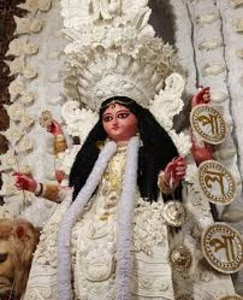
Goddess Jagaddhatri: The Divine Mother of the Universe


Goddess Jagaddhatri is a revered form of the Divine Mother in Hinduism, particularly worshipped in Bengal, India. She represents the cosmic mother, symbolizing the nurturing and protective aspects of femininity. The name "Jagaddhatri" translates to "the one who sustains the universe," reflecting her role as the sustainer and protector of all creation.


Origins and Mythology

Goddess Jagaddhatri is often associated with the mythological texts of Hinduism. Her worship is believed to have originated in the 18th century in Bengal, particularly popularized by the famous king Krishnachandra Roy of Nadia. Legends describe her as the embodiment of Shakti, the divine feminine energy, and a form of the goddess Durga. She is said to have manifested to combat the demon king, Shumbha, who threatened the stability of the universe.


Iconography and Worship

Jagaddhatri is typically depicted seated on a lion or a tiger, symbolizing her power and courage. She is often shown with four arms, holding various symbols such as a conch shell, discus, sword, and lotus. These items represent her divine attributes, including protection, prosperity, and purity.

The festival of Jagaddhatri Puja, held annually in October or November, is a major event for her devotees. The celebrations involve elaborate rituals, vibrant processions, and cultural performances. Devotees offer prayers, fruits, sweets, and flowers at beautifully decorated altars, seeking her blessings for peace, prosperity, and well-being.


Cultural Significance

The worship of Jagaddhatri is deeply embedded in Bengali culture. The festival serves not only as a religious observance but also as a celebration of community and unity. It fosters social bonds, as people come together to participate in the festivities, share food, and enjoy cultural performances.

In recent years, the worship of Jagaddhatri has gained recognition beyond Bengal, attracting followers from various parts of India and the world. Her teachings emphasize the importance of compassion, strength, and the nurturing aspect of femininity, resonating with contemporary ideals of empowerment and unity.

Conclusion

Goddess Jagaddhatri stands as a symbol of maternal power and cosmic balance. Her worship reflects the reverence for the feminine divine, highlighting the significant role of women in nurturing and sustaining life. As a beloved figure in Bengali culture, she continues to inspire devotion and celebration, embodying the essence of love and protection for all.


Sunday, 6 October 2024

The Buddhist Caves of Uparkot: A Journey Through Ancient Art and Spirituality


Nestled in the heart of Gujarat, India, the Uparkot Caves are a remarkable testament to the region's rich historical and spiritual heritage. Carved into the rocky cliffs of the Uparkot Fort, these caves date back to the 2nd to 4th centuries CE and offer a glimpse into the artistic and religious practices of early Buddhism.

The Uparkot Fort, originally built in the 10th century, has a complex history that intertwines with the Buddhist caves. The caves are believed to have been created during the reign of the Western Indian dynasties, particularly the Maitrakas, who ruled over the region. They served as monastic retreats for Buddhist monks, providing a serene environment for meditation and teaching. The strategic location of Uparkot, overlooking the city of Junagadh, made it an ideal site for such spiritual pursuits.

The Uparkot Caves are an impressive example of rock-cut architecture, characterized by intricate carvings and sculptures. The caves are divided into several groups, with the most notable being Cave 1, which features a beautifully carved chaitya (prayer hall). This hall is adorned with a stupa at its end, surrounded by detailed pillars and artistic motifs that reflect the influences of ancient Indian art.

The caves exhibit a blend of Buddhist and Hindu iconography, showcasing figures of bodhisattvas and deities, along with intricate floral patterns. The craftsmanship is remarkable, with some of the carvings still retaining their original detail despite centuries of weathering. The use of natural light within the caves creates an ethereal atmosphere, enhancing the spiritual experience for visitors.

The caves served not only as places of worship but also as centers of learning. Monks who inhabited these caves were likely involved in the dissemination of Buddhist teachings, engaging with the local population and fostering a community around the tenets of Buddhism. The presence of water cisterns within the caves suggests that they were designed for long-term habitation, enabling monks to reside and practice their faith in relative seclusion.

Visitors to the Uparkot Caves can feel the profound sense of peace that permeates the space, making it a pilgrimage site for many who seek a connection to ancient spiritual traditions. The simplicity of the caves, combined with their historical significance, evokes a deep respect for the monks who once dedicated their lives to the pursuit of enlightenment.

Today, the Uparkot Caves stand as a significant archaeological and tourist site. Efforts have been made to preserve the site and promote its historical importance, attracting visitors from around the world. The caves not only offer insight into the architectural prowess of ancient Indian civilizations but also serve as a reminder of the enduring influence of Buddhism in the region.

The site is a popular destination for those interested in history, archaeology, and spirituality. As visitors walk through the cool, dimly lit passages of the caves, they can almost hear the echoes of the past, contemplating the lives of the monks who once called this place home.

The Buddhist Caves of Uparkot are more than just ancient structures; they are a window into a rich cultural and spiritual legacy. Their intricate carvings and serene ambiance provide a profound experience for anyone who takes the time to explore them. As a symbol of the enduring legacy of Buddhism in India, the Uparkot Caves continue to inspire and educate, reminding us of the power of faith and artistry throughout the ages.

Top of Form

Bottom of Form


Friday, 4 October 2024

Legends of Goddess Durga


Goddess Durga is one of the most revered deities in Hindu mythology, celebrated for her strength, courage, and protective qualities. Her legends are rich and varied, embodying the triumph of good over evil.


One of the most famous tales revolves around the demon Mahishasura, who was granted a boon that made him invincible to gods, men, and animals. With this newfound power, he terrorized the heavens, causing great distress among the deities. In response to their pleas, the divine forces united to create Goddess Durga. Born from the collective energy of the gods, she was endowed with their powers, making her a formidable warrior.


Armed with an array of weapons gifted by the gods—such as Shiva’s trident, Vishnu’s discus, and the thunderbolt of Indra—Durga set out to confront Mahishasura. The battle lasted nine days and nights, showcasing her unparalleled strength and valor. On the tenth day, known as Vijaya Dashami, she finally defeated the demon, restoring balance and peace to the cosmos. This victory symbolizes the triumph of righteousness over malevolence.


Another significant legend associated with Durga is the story of her battle against the demon army led by Raktabija. Raktabija possessed the ability to replicate himself with each drop of his blood. In this challenge, Durga manifested her fierce form, Kali, who consumed Raktabija’s blood, preventing his resurrection. This episode highlights the themes of destruction of evil and the protective nature of the divine feminine.


Durga is also celebrated during the festival of Navaratri, a nine-night celebration dedicated to her. Each night is marked by different forms of worship, dance, and rituals, culminating in the day of Vijaya Dashami, when her victory is commemorated with grand processions and cultural performances.


Through her various legends, Goddess Durga exemplifies the power of femininity, courage, and the eternal struggle against evil. She is a symbol of empowerment, inspiring millions to stand against injustice and fight for righteousness in their lives.


The Koteshwar Cave Temple: A Hidden Gem of Spirituality and History


Nestled along the banks of the sacred Narmada River in the state of Madhya Pradesh, India, the Koteshwar Cave Temple is a significant yet often overlooked pilgrimage site. This ancient temple, dedicated to Lord Shiva, is not only a testament to the rich spiritual heritage of India but also a fascinating example of rock-cut architecture that has stood the test of time.

The origins of the Koteshwar Cave Temple can be traced back to the early centuries AD, though exact dates remain a topic of scholarly debate. The temple is believed to have been carved during the period when rock-cut architecture flourished in India. This style of construction, which involves hewing rock to create intricate structures, reflects the ingenuity and artistic capabilities of ancient Indian craftsmen. The temple is particularly associated with the Hindu tradition, symbolizing the deep reverence for Lord Shiva, one of the principal deities in Hinduism.

The temple complex consists of several caves, with the main shrine housing a Shiva Lingam, which devotees worship as a representation of the divine. The rock-cut architecture is characterized by elaborate carvings and inscriptions that adorn the walls, showcasing the artistic prowess of the artisans of that era. The cave’s interior is both serene and mystical, inviting visitors to immerse themselves in meditation and reflection.

The temple’s design reflects the traditional elements of Hindu temple architecture, with a simplistic yet profound layout that allows for a spiritual experience. The play of light and shadow within the cave enhances its ethereal atmosphere, making it a perfect retreat for seekers of peace and solace.

Koteshwar Cave Temple attracts numerous pilgrims throughout the year, particularly during auspicious festivals dedicated to Lord Shiva, such as Maha Shivaratri. Devotees often engage in various rituals, including chanting prayers, offering flowers, and performing abhishekam (ritual bathing of the Shiva Lingam) to seek blessings. The serene environment, combined with the powerful vibrations of the chants, creates an aura of spiritual energy that resonates deeply with visitors.

The temple's proximity to the Narmada River adds to its spiritual significance. The river, considered holy in Hinduism, is believed to cleanse the soul, and many pilgrims take a dip in its waters before visiting the temple. This practice symbolizes purification and preparation for spiritual communion.

The Koteshwar Cave Temple is set against a backdrop of stunning natural beauty, with lush green hills and the flowing Narmada River enhancing its tranquil setting. The journey to the temple can be an adventure in itself, with picturesque landscapes and opportunities for nature lovers to explore the surrounding area. The nearest town, Mandla, serves as a convenient base for visitors, offering accommodations and local amenities.

Although it may not be as widely known as other pilgrimage sites in India, the Koteshwar Cave Temple provides a unique experience that combines spirituality, history, and natural beauty. It is a reminder of the country’s rich cultural heritage and the enduring significance of its ancient traditions.

The Koteshwar Cave Temple stands as a testament to India’s spiritual depth and historical richness. For those seeking a quieter and more reflective pilgrimage experience, this hidden gem offers a unique opportunity to connect with the divine amidst the serene beauty of nature. Whether one is a devoted follower of Lord Shiva or a curious traveler, a visit to this ancient temple is sure to leave a lasting impression.

Thursday, 3 October 2024

Goddess Tara in Hinduism


Goddess Tara, revered as one of the significant deities in Hinduism, holds a prominent place in both the Shakta and Buddhist traditions. In Hindu belief, Tara is often identified as a form of Shakti, representing the dynamic energy of the cosmos. She is primarily associated with the qualities of compassion, protection, and guidance.

Origins and Mythology

The roots of Goddess Tara can be traced back to ancient texts and scriptures, including the Vedas and Puranas. She is often depicted as a celestial being who assists devotees in overcoming obstacles and fears. In the context of Hindu mythology, Tara is the daughter of the sage Daksha and the wife of Shiva, embodying both wisdom and nurturing qualities.


Iconography and Symbolism

Tara is typically depicted with a radiant complexion, adorned with a crescent moon on her forehead, symbolizing her connection to the divine. She is usually shown seated on a lotus, surrounded by various animals, which signifies her relationship with nature and the universe. Her multiple arms may carry various attributes, such as a sword (representing the cutting away of ignorance) and a lotus (symbolizing purity and spiritual awakening).


Worship and Practices

In Hindu worship, Tara is invoked for protection and guidance during times of crisis or uncertainty. The rituals often include chanting her mantras, offering flowers, and performing specific pujas (worship ceremonies). One of her most popular mantras is "Om Tara Tuttare Ture Swaha," which is believed to invoke her blessings for swift liberation and protection from negative forces.


Connection to Buddhism

Interestingly, Tara is also a significant figure in Tibetan Buddhism, where she is regarded as a savior goddess. The parallels between the Hindu and Buddhist interpretations of Tara highlight her universal appeal as a compassionate figure dedicated to alleviating suffering.


Conclusion

Goddess Tara embodies the essence of divine femininity, nurturing, and protection. Her role in both Hindu and Buddhist traditions underscores her importance as a spiritual guide and protector, making her a beloved figure among millions of devotees across cultures. Her enduring presence in various rituals and practices continues to inspire faith and devotion today.


Discovering the Mystique of Moghalrajpuram Caves


Nestled in the heart of Andhra Pradesh, the Moghalrajpuram Caves stand as a testament to India's rich historical and cultural heritage. Located near the bustling town of Vijayawada, these ancient rock-cut caves date back to the 5th century and offer a glimpse into the architectural ingenuity of early Indian civilizations. The caves are not just a remarkable example of early rock-cut architecture but also a significant site for understanding the artistic expressions and religious practices of the time.

The Moghalrajpuram Caves are believed to have been created during the reign of the Vishnukundina dynasty, which thrived in the region. They are primarily excavated into limestone hills, with intricate carvings and sculptures that reflect the artistic styles of the period. While the exact purpose of these caves remains a subject of scholarly debate, they are generally thought to have served as monastic retreats for Buddhist monks or as sites for Buddhist worship.

The cave complex consists of several chambers, each showcasing unique architectural features. The most prominent among them is Cave 1, which houses a striking chaitya hall. This hall, with its high ceiling and detailed pillars, was likely used for congregational worship. The carved stupas and intricate reliefs on the walls are adorned with motifs that blend Buddhist iconography with local artistic elements.

Other caves in the complex reveal a variety of niches, seats, and even water cisterns, indicating that these spaces were designed for both meditation and communal living. The artistry found in these caves, such as the finely carved figures of Bodhisattvas and celestial beings, illustrates the syncretism of styles that emerged during this period, highlighting influences from both Buddhism and local traditions.

One of the standout features of the Moghalrajpuram Caves is their exquisite sculptures. The depictions of various Buddhist figures, including Avalokiteshvara and Padmapani, are crafted with remarkable attention to detail. These sculptures not only exhibit the technical skills of the artisans but also reflect the spiritual and philosophical ideals of Buddhism during that era. The presence of floral motifs and geometric patterns in the carvings suggests a deep understanding of aesthetics and nature.

Today, the Moghalrajpuram Caves are recognized as an important archaeological site and have been declared a protected monument by the Archaeological Survey of India. Efforts to preserve the site have included the establishment of pathways and viewing platforms that allow visitors to explore the caves while minimizing environmental impact. As a result, the caves have become a popular destination for tourists, historians, and art enthusiasts alike.

The Moghalrajpuram Caves are more than just an archaeological wonder; they are a cultural narrative that reveals the convergence of art, religion, and community life in ancient India. Visiting these caves offers not only a journey through time but also an opportunity to reflect on the spiritual and artistic legacies that continue to influence Indian culture today. As we delve into the depths of these rock-cut caves, we uncover stories of devotion, creativity, and the enduring quest for enlightenment that resonate even in the modern world. Whether you are a history buff, a spiritual seeker, or simply an admirer of fine art, the Moghalrajpuram Caves promise an enriching experience that captivates the imagination.


Wednesday, 2 October 2024

Folk Gods of Kumaon: A Cultural Heritage


Kumaon, a picturesque region in Uttarakhand, India, is rich in folklore and tradition, deeply intertwined with the reverence for its folk deities. The folk gods of Kumaon are not just spiritual figures; they embody the cultural, agricultural, and social identity of the local communities.


Prominent Folk Deities

1. Bholanath: Revered as a powerful protector, Bholanath is often associated with the mountains and is believed to safeguard villagers from natural calamities. His festivals feature vibrant processions and traditional music, celebrating community cohesion.

2. Kumar Sain: A legendary figure, Kumar Sain is venerated as a guardian deity of the Kumaoni people. Tales of his bravery in protecting the land and its inhabitants are popular among the locals. His worship includes animal sacrifices, which symbolize gratitude and respect.

3. Nanda Devi: Although she has significant recognition in broader Hindu worship, Nanda Devi holds special status in Kumaon as a folk goddess. She is worshiped primarily by women and is considered the protector of families. The Nanda Jayanti festival, celebrating her birth, is a major event, featuring processions, dances, and offerings.

4. Golu Devta: Known as the god of justice, Golu Devta is unique in his ability to intervene in human affairs. He is often invoked in times of distress, especially regarding legal matters. His shrine attracts numerous devotees who come to seek his blessings.


Cultural Significance

The folk gods of Kumaon reflect the region's agrarian lifestyle and the deep respect for nature. Rituals and festivals dedicated to these deities often involve music, dance, and traditional crafts, fostering a sense of community and continuity. The celebrations not only reinforce cultural identity but also serve as a means of passing down stories and values to younger generations.


Conclusion

The folk gods of Kumaon are integral to the region's cultural tapestry, representing the harmonious relationship between the people and their environment. Through their rituals and festivals, these deities continue to play a vital role in shaping the social and spiritual landscape of Kumaon, ensuring that age-old traditions thrive in modern times.


Exploring the Arvalem Caves: A Glimpse into Goa's Ancient History


Nestled in the serene hills of North Goa, the Arvalem Caves are a captivating historical site that offers a unique glimpse into the region's ancient past. Also known as the Arvalem Rock Cut Caves, these ancient caves are a testament to the region's rich cultural heritage, attracting history enthusiasts and tourists alike. Dating back to the 6th century, the caves are believed to have been carved out of solid rock, showcasing the remarkable craftsmanship of their creators.

The Arvalem Caves are often associated with Buddhist influences, as evidenced by their architectural style and design. However, some historians also suggest that they might have been used by Hindu monks, given the presence of sculptures depicting Hindu deities. This blend of influences highlights the syncretic culture of ancient Goa, where different religious and cultural traditions coexisted harmoniously.

The caves consist of five rock-cut chambers, with the most significant being a large hall that features a central lotus-shaped platform, likely used for meditation or rituals. The intricate carvings and engravings on the cave walls reflect the artistic prowess of the period and provide insight into the spiritual practices of the time.

One of the standout features of the Arvalem Caves is their impressive rock-cut architecture. The caves are hewn from laterite rock, a material prevalent in the region, and showcase a blend of simplicity and sophistication. The interiors are characterized by high ceilings, spacious chambers, and intricately carved pillars. Despite the passage of centuries, the structural integrity of the caves remains intact, allowing visitors to appreciate the skill and ingenuity of the ancient artisans.

Visitors will notice various carvings that adorn the walls, including motifs of lotus flowers and geometric patterns. These designs not only enhance the aesthetic appeal of the caves but also reflect the cultural and religious significance of the time.

The Arvalem Caves are located near the picturesque Arvalem Waterfall, which adds to the charm of the area. The waterfall, particularly during the monsoon season, offers a stunning backdrop for photographs and a peaceful spot for relaxation. The lush greenery surrounding the caves creates a tranquil atmosphere, making it an ideal destination for nature lovers and those seeking a retreat from the hustle and bustle of city life.

Additionally, the nearby Rudreshwar Temple, dedicated to Lord Shiva, is worth a visit. This temple, set against the backdrop of the caves, provides a deeper understanding of the spiritual context of the region.

The Arvalem Caves are accessible by road, making them a convenient stop for travelers exploring North Goa. While there is no entry fee, visitors are encouraged to maintain the cleanliness and sanctity of the site. The best time to visit is during the cooler months, from November to February, when the weather is pleasant and conducive for exploration.

In conclusion, the Arvalem Caves are more than just an archaeological site; they are a portal to the past, inviting visitors to reflect on the region's diverse cultural heritage. Whether you're a history buff, an architecture enthusiast, or simply looking for a peaceful escape, a visit to the Arvalem Caves promises to be a rewarding experience. Embrace the tranquility, soak in the history, and let the ancient stones tell their stories.


Tuesday, 1 October 2024

Discovering the Bagh Caves: A Glimpse into Ancient Indian Heritage


Nestled amidst the serene landscapes of Madhya Pradesh, India, the Bagh Caves are a remarkable testament to ancient rock-cut architecture and Buddhist artistry. Dating back to the 4th to 6th centuries CE, these caves, located near the town of Bagh in Dhar district, are not just a visual treat but also hold significant historical and cultural importance.

The Bagh Caves were primarily carved during the reign of the Vakataka dynasty, a powerful dynasty that played a crucial role in the development of Buddhism in central India. They served as monastic retreats for Buddhist monks, offering them a space for meditation and spiritual practice. The caves are thought to have been a vital center for learning and artistic expression during their time, contributing to the spread of Buddhist teachings across the region.

The Bagh Caves consist of a group of 29 rock-cut caves, though only a few are open to visitors. These caves exhibit a blend of artistry and engineering, showcasing intricate carvings, detailed frescoes, and large chaitya halls. The caves are carved into a hillside, with some caves featuring elaborate pillars and beautifully adorned entrances.

One of the standout features of the Bagh Caves is the remarkable wall paintings that adorn many of the interiors. These frescoes, executed with vibrant colors, depict various scenes from Buddhist texts, including Jataka tales that illustrate the previous lives of the Buddha. The colors, made from natural pigments, have remarkably survived the test of time, providing invaluable insight into the artistic techniques of the era.

The art of the Bagh Caves is often compared to that of the Ajanta Caves, another significant site in Maharashtra known for its exquisite rock-cut architecture and paintings. While the Ajanta Caves are celebrated for their narrative art, the Bagh Caves are notable for their use of space and the emotional expressiveness of the figures depicted. The artistic style of the Bagh Caves is characterized by graceful poses, intricate drapery, and a vivid portrayal of emotions, which exemplifies the artistic brilliance of the time.

The Bagh Caves are not just an archaeological site; they reflect the cultural and spiritual milieu of ancient India. They stand as a symbol of the flourishing of Buddhism in the region during a time when art, literature, and philosophy thrived. The caves also provide insight into the daily lives of the monks who inhabited them, revealing aspects of monastic life, rituals, and community.

Today, the Bagh Caves are a popular tourist destination, attracting history buffs, art enthusiasts, and travelers seeking to explore India's rich heritage. The site is well-maintained, with guided tours available to enhance the visitor experience. Travelers can hike through the surrounding hills, which offer picturesque views of the region, making the journey to the caves as rewarding as the destination itself.

Recognizing the historical and cultural importance of the Bagh Caves, conservation efforts are underway to preserve the delicate artwork and structure. Local authorities, along with the Archaeological Survey of India, are working to ensure that these ancient caves remain protected from environmental degradation and human impact.

The Bagh Caves stand as a silent witness to India’s rich spiritual and artistic history. With their stunning architecture, intricate frescoes, and cultural significance, they offer a unique glimpse into the past. For anyone interested in the confluence of art, history, and spirituality, the Bagh Caves are an unmissable destination that embodies the timeless allure of ancient India.Top of Form


Bottom of Form

The Later History of Goddess Kali


The later history of Goddess Kali, particularly from the 18th century onward, marks a significant evolution in her worship and cultural significance within Hinduism. Later History of Goddess Kali reveals her importance in Tantrism and Shakta tradition. As a powerful symbol of empowerment and transformation, Kali has influenced various social and artistic movements.


During the 19th century, the Bhakti movement revitalized Hindu spirituality, emphasizing personal devotion. Kali was embraced by many as a symbol of divine feminine energy. This period saw the rise of notable reformers and poets, such as Ramakrishna Paramahamsa, who popularized her worship, emphasizing her maternal and compassionate aspects. His teachings highlighted Kali as not only a fierce protector but also a nurturing figure, bridging the gap between her fearsome and benevolent qualities.


The late 19th and early 20th centuries also witnessed a surge in Kali’s representation in art and literature. The Bengal Renaissance celebrated her through various artistic expressions, with writers and painters exploring her complex nature. The famous artist Abanindranath Tagore depicted her in new, evocative ways, contributing to a broader understanding of her significance in modern culture.


The post-colonial period further transformed Kali’s image. She became a potent symbol for women's empowerment and resistance against patriarchal norms. Feminist movements in India began to reclaim her image as a source of strength and agency. Scholars and activists alike have examined her role in challenging societal structures, making her an icon for various movements advocating for gender equality.


Today, Kali’s worship transcends regional boundaries, with her temples found globally, particularly in the diaspora communities of the West. Festivals like **Kali Puja** continue to be celebrated with fervor, emphasizing community, devotion, and cultural identity.


In summary, the later history of Goddess Kali reflects her dynamic transformation from a fierce warrior to a multifaceted symbol of empowerment and resilience. Her enduring legacy resonates across various spheres—spiritual, artistic, and social—making her one of the most revered figures in contemporary Hindu practice.