Thursday, 19 September 2024

Indian Cave Temple Sculpture: A Journey Through Art and Spirituality


Indian cave temple sculpture is a captivating intersection of art, spirituality, and architectural ingenuity. Emerging around the 3rd century BCE, this form of sculpture primarily flourished during the Maurya, Gupta, and medieval periods. These rock-cut temples, carved into solid rock, served as places of worship and meditation, showcasing a rich tapestry of religious and artistic traditions.

The most notable examples of Indian cave temple sculpture can be found in sites such as Ajanta, Ellora, and Badami. The Ajanta Caves, a UNESCO World Heritage Site, consist of 30 rock-cut caves adorned with intricate frescoes and sculptures that depict the life of the Buddha. Dating from the 2nd century BCE to the 6th century CE, these sculptures reflect the finesse of ancient artisans. The graceful figures, detailed expressions, and flowing garments embody the artistic sophistication of the time, serving not only as religious icons but also as cultural narratives.

Ellora, another UNESCO World Heritage Site, showcases a remarkable synthesis of Buddhist, Hindu, and Jain traditions in its caves. The Kailasa temple, carved from a single rock, is a monumental achievement in Indian rock-cut architecture. Its intricate sculptures, including depictions of deities like Shiva, Parvati, and various attendants, exemplify the high level of craftsmanship and the spiritual fervor that drove these artists. The juxtaposition of different faiths in this site symbolizes the pluralistic ethos of Indian spirituality.

Badami, famous for its sandstone caves, highlights the development of sculpture during the early medieval period. The carvings here primarily focus on Hindu deities such as Vishnu and Shiva, reflecting the transition from early Buddhist influences to a more defined Hindu iconography. The exquisite detailing in the sculptures, including the portrayal of divine figures in various postures, signifies a deeper exploration of human emotion and divine beauty.

The significance of these sculptures extends beyond aesthetics; they are a means of storytelling, encapsulating religious narratives and moral lessons. Each figure and relief has a purpose, inviting viewers into a meditative space where art and devotion intertwine.

In contemporary times, Indian cave temple sculptures continue to inspire artists and scholars alike. Their timeless quality invites reflection on the enduring nature of faith and creativity. As custodians of India's rich heritage, these ancient sculptures remind us of the power of art to transcend time, echoing the spiritual aspirations of a civilization that revered both the divine and the artistic.

In conclusion, Indian cave temple sculpture is not just an artistic endeavor but a profound spiritual journey that connects the past with the present. Through its intricate carvings and timeless narratives, it invites us to explore the depths of faith and the heights of artistic expression.

Wednesday, 18 September 2024

Goddess Kalaratri: The Fierce Aspect of Durga


Goddess Kalaratri, one of the nine forms of Goddess Durga, is a powerful and fierce manifestation of the divine feminine. Celebrated particularly during the festival of Navaratri, Kalaratri embodies the essence of destruction and transformation. Her name translates to "the one who is black as night," reflecting both her formidable nature and her role as a protector against evil forces.


Iconography


Kalaratri is typically depicted with a striking appearance. She has dark skin, representing the power of destruction, and a wild, disheveled mane of hair that symbolizes her fierce energy. Her eyes are often portrayed as blazing, signifying her intense and fierce disposition. Kalaratri usually has four arms, each holding significant weapons: a sword, a trident, a hammer, and a noose. These weapons are symbols of her ability to destroy ignorance and dispel darkness.


In her portrayal, Kalaratri often rides a donkey, which represents humility and the ability to overcome obstacles. This contrasts with her fearsome persona, emphasizing that her power is not just about aggression but also about wisdom and control over desires.


 Symbolism and Significance


Kalaratri represents the destructive aspect of the goddess, crucial for the cycle of creation and dissolution. Her fierce nature is not simply about chaos; it serves as a necessary force for transformation. In Hindu philosophy, destruction is essential for renewal, allowing for growth and regeneration. Kalaratri is revered for her ability to annihilate negative energies and evil spirits, making way for peace and harmony.


In many traditions, she is worshipped as a protector during times of fear or crisis. Devotees seek her blessings for safety from harm, particularly during tumultuous periods in their lives. Her fierce energy is believed to shield worshippers from adversity and obstacles.


Worship and Festivals


The worship of Kalaratri typically peaks during the Navaratri festival, especially on the seventh night, known as Maha Saptami. Devotees engage in rituals, prayers, and chants to honor her, often reciting the Kalaratri Ashtakshara Mantra to invoke her protective blessings. Offerings of sweets, flowers, and red cloth are made to express devotion.


Conclusion


Goddess Kalaratri stands as a powerful reminder of the dual nature of existence—creation and destruction, light and dark. Her fierce iconography and transformative energy resonate deeply with those seeking empowerment and protection. By embracing both the nurturing and fierce aspects of the goddess, devotees find strength in facing their challenges, embodying resilience and the transformative power of the divine feminine.


Kartikeya: An Icon of Strength in Hindu Beliefs


Kartikeya, also known as Skanda or Murugan, is a significant deity in Hindu mythology, revered primarily in South India and among the Tamil people. As the god of war, victory, and wisdom, he embodies the spirit of valor and strength, often depicted as a youthful warrior with a spear (vel) and riding a peacock.


Kartikeya is the son of Shiva and Parvati, born to vanquish the demon Tarakasura, who had created chaos in the heavens. His birth is marked by divine significance; it is said that he was conceived from the sparks of Shiva's third eye, symbolizing the fusion of divine power and knowledge. This lineage establishes Kartikeya as a potent force against evil.


His most popular form is that of Murugan, especially in Tamil Nadu, where he is celebrated with fervor. Festivals like Thaipusam and Skanda Shashthi attract millions of devotees who engage in elaborate rituals, processions, and offerings, showcasing their devotion and seeking his blessings for strength and success.


Kartikeya is often associated with the concept of dharma, emphasizing righteous action and moral integrity. His mythology intertwines with themes of courage, leadership, and the importance of overcoming challenges, making him an inspiring figure for many.


In art and literature, Kartikeya is depicted in various ways—sometimes with six heads, representing the six different aspects of wisdom, or as a youthful figure, symbolizing the energy and dynamism of youth. His presence in temples is marked by intricate sculptures and vibrant murals, reflecting the rich cultural heritage surrounding his worship.


In modern times, Kartikeya continues to inspire various forms of cultural expression, from classical dance and music to literature and cinema. His multifaceted persona and enduring relevance in contemporary society highlight his significance as a symbol of courage, wisdom, and the eternal struggle between good and evil.


Tuesday, 17 September 2024

The Rich Tapestry of Indian Tribal Music


India, with its diverse cultures and languages, is a treasure trove of musical traditions. Among its most vibrant and unique forms is tribal music, which reflects the rich heritage and identity of various tribal communities across the subcontinent. Each tribe brings its own unique sound, influenced by their environment, rituals, and lifestyle, creating a tapestry of melodies that are both distinct and deeply resonant.

Tribal music in India is more than just entertainment; it is a vital part of community life. It plays a crucial role in rituals, festivals, and social gatherings, serving as a means of storytelling and preserving oral histories. Songs often narrate tales of ancestors, deities, and nature, helping to maintain a connection between the past and present. For instance, the Gond tribe of Madhya Pradesh uses music to express their connection to the forest, with songs that celebrate the beauty and bounty of nature.

The instruments used in tribal music are often handcrafted, using locally available materials. Common instruments include the dhol (a double-headed drum), nagada (a large kettle drum), and flutes made from bamboo. Each tribe has its unique set of instruments, which contribute to the distinctive sound of their music. For example, the Bhil tribe is known for the bansuri (a bamboo flute) and tasha (a traditional drum), while the Santhal community often uses the dhak, a large drum played during celebrations.

Musical styles also vary widely among tribes. Some, like the Santhals, favor fast-paced rhythms and lively melodies that accompany dance, while others, such as the Warli tribe from Maharashtra, incorporate simple, repetitive tunes that reflect their agricultural lifestyle. The rhythms often mimic natural sounds, capturing the essence of the environment that surrounds these communities.

In recent years, tribal music has garnered attention beyond its traditional contexts. Artists and musicians are now blending these ancient sounds with contemporary genres, creating fusion music that appeals to broader audiences. This cross-pollination is evident in the work of artists like the Panjabi MC, who incorporates folk elements into popular music, or Raghav Sachar, who merges Indian tribal rhythms with jazz and rock.

However, this modernization comes with its challenges. As tribal communities face pressures from globalization, there is a risk of losing their musical heritage. Efforts are being made to document and preserve these traditions. Organizations and cultural groups are working tirelessly to record traditional music, conduct workshops, and promote tribal artists, ensuring that these rich musical traditions are not forgotten.

Efforts to revive and preserve tribal music are critical in maintaining the cultural identity of these communities. Festivals dedicated to tribal music, such as the Bharat Tribal Arts and Culture Festival, showcase performances by tribal artists, providing them with a platform to share their heritage. Initiatives like these not only celebrate tribal music but also foster greater appreciation among urban audiences, bridging the gap between tradition and modernity.

Indian tribal music is a profound reflection of the country's diverse cultural landscape. It embodies the stories, struggles, and celebrations of tribal communities, offering a glimpse into their world. As globalization continues to influence all aspects of life, it is imperative to recognize and support the preservation of these musical traditions. In doing so, we not only honor the rich tapestry of Indian heritage but also ensure that future generations can experience the beauty of tribal music in its authentic form.

Tamil Nadu’s Temple Festivals: Rituals, Processions, and Cultural Heritage


Tamil Nadu, a southern state in India, is renowned for its vibrant and diverse temple festivals, which reflect the region's rich cultural and religious heritage. Tamil Nadu Temple Festivals are celebrated in different religious dwelling with pomp and show. These festivals, held in honor of various deities, showcase elaborate rituals, colorful processions, and traditional performances, drawing both devotees and tourists from around the world.


One of the most prominent festivals is Pongal, celebrated in January, which marks the Tamil harvest festival. Although not exclusively a temple festival, Pongal is often observed with temple-based rituals where offerings of newly harvested rice are made to deities. The festival symbolizes gratitude for the agricultural abundance and involves festive cooking, cultural performances, and community gatherings.


Mariamman Festivals are another significant event in Tamil Nadu. Dedicated to Mariamman, the goddess of rain and fertility, these festivals are celebrated with fervor, particularly in rural areas. Rituals often include elaborate processions with decorated chariots, fire-walking, and offerings to ensure the well-being of crops and communities.


Chithirai Thiruvizha in Madurai is a grand temple festival held in April-May at the Meenakshi Amman Temple. It commemorates the celestial marriage of Lord Shiva and Goddess Meenakshi. The festival spans several days and features dramatic processions, traditional dances, and intricate rituals that attract thousands of devotees.


Thaipusam, celebrated in January-February, is another notable festival observed at the Murugan temples across Tamil Nadu. This festival honors Lord Murugan, the god of war. Devotees participate in dramatic rituals, including carrying kavadis (decorated structures) and performing penance, to express their devotion and seek blessings.


Navaratri, spanning nine nights in September-October, is celebrated in temples across Tamil Nadu. It honors the goddess Durga and her various forms, with each day dedicated to different aspects of the deity. The festival involves intricate rituals, music, dance, and the reading of sacred texts.


These temple festivals are not just religious observances but are integral to Tamil Nadu’s cultural landscape, fostering a sense of community, continuity, and celebration of traditional values. Through their vibrant rituals and communal participation, they play a crucial role in preserving and transmitting Tamil Nadu’s rich heritage.


Monday, 16 September 2024

Coins of the Satavahanas: A Glimpse into Ancient India


The Satavahanas, an ancient dynasty that ruled large parts of India from around 230 BCE to 220 CE, are renowned for their significant contributions to Indian history and culture. Among their many legacies, their coinage provides a fascinating glimpse into their economic, political, and cultural life. The coins of the Satavahanas are not only a valuable source for numismatists but also offer insights into the region's art, religious beliefs, and administrative practices.

The Satavahana dynasty emerged after the decline of the Mauryan Empire and played a crucial role in bridging the gap between the Mauryan and post-Mauryan periods. Their realm spanned much of central and southern India, with a notable influence over trade routes connecting the Indian subcontinent to the Roman Empire and Southeast Asia. Their coins reflect the administrative prowess of the dynasty and its interaction with various cultures.

Satavahana coinage is primarily categorized into three types: copper coins, silver coins, and lead coins. Each type bears distinctive features that shed light on the period's economic dynamics and artistic tendencies.

Copper Coins: Copper was the most commonly used metal for Satavahana coins. These coins typically feature a variety of symbols and motifs. The most common type of copper coin is the "potin" coin, which often bears the image of a bull, an elephant, or a horse, along with various geometric patterns and inscriptions in Brahmi script.

Silver Coins: Silver coins, though less common than their copper counterparts, were used for higher-value transactions and often displayed more elaborate designs. They frequently feature the image of the ruling monarch, which helped in establishing their authority and promoting their legitimacy. The silver coins also depict various deities and religious symbols, indicating the integration of religion with governance

Lead Coins: Lead coins are relatively rare and were typically used for smaller transactions. These coins usually have simpler designs compared to their copper and silver counterparts. They often carry basic inscriptions or symbols, reflecting their practical use in everyday trade rather than ceremonial or prestige purposes.

The variety and quality of Satavahana coins underscore the economic prosperity of the dynasty. The extensive trade networks established by the Satavahanas are reflected in their coinage, which facilitated commerce across regions. The integration of various symbols and inscriptions on the coins indicates the cultural and religious diversity of their empire. Coins bearing images of deities like Shiva, Vishnu, and various local gods reveal the religious syncretism characteristic of the Satavahana era.

Moreover, the art and craftsmanship of the Satavahana coins reveal the high level of skill and aesthetic sensibility of the period. The coins are not just monetary tools but also artifacts that provide insights into the political propaganda, religious practices, and artistic traditions of ancient India.

The coins of the Satavahanas are much more than mere currency; they are historical documents that offer a window into the ancient world of India. Through their symbols, inscriptions, and artistic representations, these coins provide valuable information about the economic conditions, religious beliefs, and political dynamics of the Satavahana dynasty. As such, they remain an important subject of study for historians and numismatists alike, continuing to reveal the rich tapestry of India’s past.

The Rich Tapestry of Kashmiri Script: A Historical and Cultural Exploration


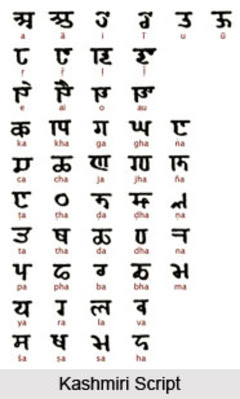
Kashmiri script is a fascinating subject that encapsulates the rich cultural and historical tapestry of the Kashmir Valley. Historically, the Kashmir Valley, renowned for its picturesque landscapes and cultural richness, has also been a melting pot of various linguistic and scriptural influences. The script used to write the Kashmiri language reflects this diversity and evolution.

The Kashmiri language, a member of the Dardic group of Indo-Aryan languages, has been historically written in several scripts. Each script not only represents a phase in the language’s development but also reveals a lot about the socio-political influences of its time.

Initially, Kashmiris used the Sharada script, an ancient Brahmic script. Sharada, which emerged around the 8th century CE, was widely used for religious and literary works. It is a direct descendant of the Gupta script and bears a close resemblance to the Devanagari script used for Sanskrit. The script’s structure is a testament to the region's historical connectivity with the broader Indian cultural and linguistic milieu.

By the 14th century, during the Sultanate period, the Persian influence began to permeate Kashmir, a shift that had a profound impact on the script used for Kashmiri. The Persian script, an adaptation of the Arabic script, became increasingly popular due to its association with the Islamic administration and culture that prevailed under Sultan Sikandar and his successors. This shift was reflective of the changing political and cultural landscape of Kashmir.

Despite the adoption of the Persian script, the Sharada script did not disappear entirely. It continued to be used by scholars and for religious purposes, maintaining its presence alongside the more dominant Persian script. This coexistence of scripts highlighted the region's cultural pluralism.

In contemporary times, the Kashmiri language has also been transcribed using the Roman script, particularly in informal contexts such as social media and online communication. This development represents the influence of globalization and the need for a more accessible means of communication in a digital age.

Efforts have been made to revive the Sharada script in recent years. The Sharada Academy, established in Jammu and Kashmir, is at the forefront of these efforts. The revival is part of a broader movement to preserve and promote the historical and cultural heritage of the region. Scholars and enthusiasts have been working to bring this ancient script back into use, with educational programs and publications aimed at familiarizing the younger generation with Sharada.

The Kashmiri language itself is a rich repository of the region’s folklore, poetry, and traditions. The scripts used to write it offer a glimpse into the evolving identity of the Kashmiri people. They are not merely tools for communication but are emblematic of the socio-political and cultural transformations that have shaped the region.

In conclusion, the Kashmiri script is more than just a means of writing; it is a window into the historical and cultural evolution of the Kashmir Valley. From its origins in Sharada to its modern adaptations, the script reflects the rich and diverse tapestry of Kashmir’s heritage. The ongoing efforts to revive and preserve these scripts underscore their importance in maintaining the cultural identity of the Kashmiri people.


Sunday, 15 September 2024

Embroidery of Manipur: A Cultural Artistry


The embroidery of Manipur, a northeastern state in India, is renowned for its intricate and vibrant designs, reflecting the rich cultural heritage and traditional artistry of the region. Embroidery of Manipur exhibits the creations of their indigenous style and motifs. This traditional craft, primarily practiced by the Meitei and Naga communities, showcases the skillful use of threads and needles to create elaborate patterns that are both symbolic and aesthetic.

Traditional Techniques and Materials

Manipuri embroidery is characterized by its use of bright colors and intricate patterns. The primary technique involves hand-stitching using a variety of stitches, including the "Phanek" stitch, which is used for traditional Manipuri garments. Materials commonly used include cotton, silk, and wool, often adorned with beads and mirrors to enhance their visual appeal. The embroidery is typically done on garments such as the "Phanek" (a wrap-around skirt) for women and the "Khamen Mapan" (a traditional tunic) for men, as well as on accessories like bags and shawls.

Design Patterns

The designs in Manipuri embroidery are deeply symbolic, often inspired by nature, mythology, and everyday life. Common motifs include floral patterns, geometric shapes, and intricate borders. These designs not only embellish garments but also convey stories and cultural values. For instance, the "Leirum Phee" is a traditional design that features intricate floral motifs, while the "Lai Haraoba" pattern is inspired by traditional religious festivals and rituals.

Cultural Significance

Embroidery in Manipur is not just a craft but a cultural practice that holds great significance in local traditions. It plays a vital role in festivals, weddings, and other ceremonial occasions, where intricately embroidered garments are worn with pride. The craft also serves as a means of preserving and passing down traditional knowledge and skills through generations.

Modern Influence and Preservation

In recent years, Manipuri embroidery has gained recognition beyond its regional boundaries, with contemporary designers incorporating traditional patterns into modern fashion. This has helped in preserving the craft while also introducing it to a global audience. Various initiatives and exhibitions have been organized to promote and support local artisans, ensuring that the rich heritage of Manipuri embroidery continues to thrive.

In essence, the embroidery of Manipur is a beautiful testament to the region's artistic heritage, reflecting its cultural depth and the creative spirit of its people.


The Goncha Festival: A Celebration of Culture and Community


The Goncha Festival, celebrated primarily in various regions of Central Asia, stands as a vibrant testament to the rich cultural heritage and communal spirit of the people living there. While the specifics of the festival can vary from one region to another, the essence of Goncha revolves around unity, celebration, and the showcasing of traditional values through various cultural expressions.

Goncha has its roots in ancient traditions, capturing the agricultural practices and seasonal transitions that define the lives of local communities. Historically, the festival marked the end of the harvest season, serving as a time of gratitude for the bountiful yields and a celebration of the upcoming winter months. This festival has survived through centuries, adapting to the changing social and economic landscapes while still holding onto its core cultural significance.

One of the most striking features of the Goncha Festival is the elaborate array of traditional music and dance that accompanies the celebrations. Local musicians don traditional garb and perform folk songs that tell stories of the region’s history, values, and myths. Participants often join in spirited dances that mimic the rhythms of nature, celebrating the connection between humanity and the earth.

Another integral aspect of the Goncha Festival is the culinary offerings. Communities come together to prepare traditional dishes that are representative of their cultural identity. Sharing meals plays a pivotal role, with local families inviting neighbors to partake in the feasting. Delicacies often include various meat dishes, grains, and sweets, all crafted using age-old recipes passed down through generations. The communal sharing of food symbolizes togetherness and reinforces social bonds.

Throughout the festival, various activities and games are organized, where both adults and children can participate. These may include traditional sports such as wrestling, horse racing, and archery, reflecting the skills and prowess essential to the local culture. Such competitions also serve as a reminder of the importance of physical endurance and teamwork within the community.

Artisans take center stage during the Goncha Festival, displaying their crafts ranging from pottery to textile weaving. These exhibitions provide a platform for local artists to showcase their talents while preserving traditional crafts that may otherwise fade into obscurity. Workshops are often held, allowing festival-goers to engage directly with artisans, learning the significance behind each craft and its role in the local identity.

In recent years, Goncha has seen a fusion of traditional and modern influences as younger generations begin to embrace and reinterpret age-old customs. This evolution has been marked by the inclusion of contemporary music, art installations, and digital mediums that attract a broader audience, including tourists and international visitors. While the essence of the festival remains rooted in tradition, these modern adaptations help to keep the spirit of Goncha alive, ensuring its relevance in today’s fast-paced world.

The Goncha Festival is more than just a celebration; it is a vital expression of cultural identity, community resilience, and shared heritage. As people gather to rejoice in their collective history and embrace the future, they reinforce the bonds that unite them. The festival serves as a reminder of the importance of preserving and celebrating cultural diversity, ensuring that the traditions of Central Asia continue to thrive for generations to come. In a world where change is the only constant, Goncha stands as a beacon of continuity and shared joy, inviting all to partake in its unfolding narrative.

Thursday, 12 September 2024

Exploring the Majestic Monuments of South India


South India, a region renowned for its rich cultural tapestry and historical depth, is home to some of the most awe-inspiring monuments in India. These architectural marvels, spanning centuries, reflect the grandeur and sophistication of South Indian dynasties, including the Cholas, Vijayanagar Empire, and the Nayaks.

At the heart of Tamil Nadu lies the Brihadeeswarar Temple, also known as the Big Temple. Constructed during the Chola dynasty in the 11th century by Rajaraja Chola I, this UNESCO World Heritage Site is a quintessential example of Dravidian architecture. The temple’s towering Vimana (shrine tower) rises to about 66 meters, making it one of the tallest of its kind in the world. The temple complex is adorned with intricate carvings, colossal statues of Nandi (the bull), and beautifully painted ceilings, illustrating the opulence of Chola artistry.

The ancient city of Hampi, situated in Karnataka, is a sprawling UNESCO World Heritage Site that showcases the splendor of the Vijayanagar Empire. Founded in the 14th century, Hampi’s ruins are a testament to its once-thriving prosperity. The Virupaksha Temple, dedicated to Lord Shiva, is a focal point with its imposing gopuram (gateway tower) and elaborate sculptures. Another notable site is the Vithala Temple Complex, renowned for its Stone Chariot and musical pillars that produce melodic tones when struck. Hampi’s landscape, dotted with boulder-strewn hills and ancient bazaars, evokes a sense of timelessness.

In the city of Madurai, Tamil Nadu, the Meenakshi Amman Temple stands as a dazzling testament to Dravidian architecture and religious devotion. This temple, dedicated to the goddess Meenakshi and her consort Sundareshwarar, is famous for its richly adorned gopurams (gateway towers), each covered in vibrant sculptures of deities, animals, and mythological figures.

The Gol Gumbaz in Bijapur, Karnataka, is an architectural gem of the Deccan Sultanate era. Built in the 17th century as the mausoleum for Sultan Mohammed Adil Shah, this structure is renowned for its enormous dome, one of the largest in the world. The dome’s acoustics are extraordinary; a whisper can be heard clearly across the vast expanse. The monument’s strikingly simple yet grand exterior and its spacious interiors reflect the elegance of Deccan architecture.

On the island of Rameswaram in Tamil Nadu, the Ramanathaswamy Temple holds immense religious significance as one of the twelve Jyotirlingas. This temple is celebrated for its long corridors, with intricately carved columns stretching over 1,200 meters, making it one of the longest corridor temples in India. The temple’s sacredness is intertwined with the epic Ramayana, as it is believed to be the place where Lord Rama worshipped Shiva before crossing to Sri Lanka.

Constructed in 1644 by the British East India Company, Fort St. George in Chennai is the oldest surviving British fortress in India. The fort’s architecture combines European and Indian elements, reflecting its strategic importance during the colonial era. Today, it houses the Tamil Nadu Legislative Assembly and a museum that exhibits relics of British India, offering a glimpse into Chennai’s colonial past.

These monuments of South India, with their distinctive architectural styles and historical significance, provide a window into the region’s illustrious past. They are not merely structures but are emblematic of the rich cultural heritage and artistic achievements of South India. Visiting these sites not only offers a journey through time but also a deep appreciation of the region’s legacy.


The Embroidery of Rajasthan: A Tapestry of Tradition and Artistry


Rajasthan, a land known for its vibrant culture and rich heritage, is equally renowned for its exquisite embroidery. The embroidery of Rajasthan is not merely a craft but a reflection of the region's history, culture, and artistic sensibilities. Rooted in centuries-old traditions, Rajasthani embroidery is distinguished by its intricate designs, vivid colors, and diverse techniques.

Historical Context and Techniques

Rajasthani embroidery boasts a rich legacy that dates back to the royal courts of the Rajput kings. Each region within Rajasthan has its own unique style, developed over generations and influenced by local traditions and resources. Common techniques include Kashida, Gota Patti, Zardozi, Mirror Work, and Kantha.

1. Kashida: Originating from the northern regions of Rajasthan, Kashida embroidery is known for its detailed thread work. It typically features motifs inspired by nature, such as flowers and animals, and uses silk or cotton threads.

2. Gota Patti: A traditional technique from the Marwar region, Gota Patti involves the application of metallic ribbons or patches onto fabric. This style is characterized by its elaborate patterns and is often used in bridal and festive attire.

3. Zardozi: This ancient Persian technique, popular in Rajasthan, involves the use of gold and silver threads to create opulent designs. Zardozi embroidery is often found on ceremonial garments and accessories.

4. Mirror Work: Known locally as Shisha embroidery, this technique incorporates small mirrors into the fabric, creating a reflective, eye-catching effect. It is commonly used in garments and home décor items.

5. Kantha: A technique borrowed from neighboring regions, Kantha embroidery involves simple running stitches to create patterns and designs. It is often used in quilts and traditional garments.

Cultural Significance and Modern Trends

Rajasthani embroidery is deeply intertwined with the cultural practices and festivals of the region. The vivid colors and intricate designs often represent various aspects of local life and mythology. While traditional techniques are still cherished, contemporary designers have adapted Rajasthani embroidery for modern fashion, blending ancient craftsmanship with contemporary styles.

Conclusion

The embroidery of Rajasthan is a vibrant expression of the region's artistic heritage. Its intricate techniques and lively motifs not only adorn garments and textiles but also preserve a rich cultural history. As Rajasthan continues to evolve, its embroidery remains a timeless testament to the artistry and craftsmanship of its people.


Wednesday, 11 September 2024

Coins in Medieval India: A Brief Overview


Coins in medieval India were governed by severance and distinctiveness in each of the Islamic rulers and their vision. Coins in medieval India reflect the region's dynamic economic and political history, spanning from the 7th to the 18th century. During this period, India saw a multitude of coinage systems, which were influenced by various ruling dynasties and regional powers.

Historical Context

The medieval period in India began around the 7th century, marked by the rise of prominent empires such as the Gupta Empire, followed by a succession of regional and imperial powers including the Cholas, the Delhi Sultanate, the Mughals, and various regional kingdoms.

Types and Varieties

1. Gupta Coins (circa 4th-6th Century): The Gupta Empire was known for its gold coins, particularly the "dinars" and "goldens," which were renowned for their artistic quality and standardization. The obverses typically featured portraits of rulers, while the reverses often depicted deities and religious symbols.

2. Delhi Sultanate Coins (circa 12th-16th Century): During the Delhi Sultanate, the coinage system saw a shift from the earlier Gupta style to more Islamic influences. The predominant coins were silver tanka and copper jital. These coins bore inscriptions in Arabic and often featured geometric and floral designs, reflecting the Islamic artistic sensibilities.

3. Mughal Coins (circa 16th-18th Century): The Mughal Empire is particularly notable for its extensive and diverse coinage. Mughal coins, including the gold mohur, silver rupee, and copper paisa, were minted with high precision. The coins often bore intricate calligraphy, portraying the emperor’s titles and regnal year. The Mughal coinage system became the basis for the modern Indian rupee.

4. Regional Coins: Various regional states, including the Marathas, Rajputs, and other regional kingdoms, issued their own coins. These often blended local traditions with influences from the dominant empires of the time.

Economic and Cultural Significance

Coins in medieval India were more than just a medium of exchange; they served as a means of propaganda and artistic expression. They reflected the economic conditions, religious beliefs, and political power of the times. The standardization and widespread use of coinage also facilitated trade both within the subcontinent and with neighbouring regions.

In summary, medieval Indian coins offer valuable insights into the region's economic history, artistic achievements, and the political landscape of the time. Each coin type not only served practical purposes but also bore testimony to the rich and varied history of medieval India.


Tuesday, 10 September 2024

The Deccan Policy of Aurangzeb: An Analysis


Aurangzeb Alamgir, the sixth Mughal emperor, reigned over one of the most expansive empires in Indian history. His reign (1658-1707) is often characterized by his rigorous administration and his staunch adherence to Islamic orthodoxy. One of the most significant aspects of his rule was his policy towards the Deccan, a region in southern India that became central to his ambitions and, ultimately, to his downfall.

The Deccan Plateau, with its strategic position and fertile lands, was a coveted prize for the Mughal Empire. By the mid-17th century, the Deccan had become a region of significant political fragmentation. The Mughal Empire, having consolidated its power in the northern and central parts of India, turned its attention to the Deccan sultanates: Bijapur, Golconda, and their smaller allies. Aurangzeb's policy towards these sultanates was driven by a combination of strategic, economic, and ideological motivations.

Aurangzeb's Deccan policy was initially strategic. The Deccan region was crucial for controlling the southern trade routes and securing the empire’s southern frontier. By annexing the Deccan, Aurangzeb aimed to consolidate Mughal power and integrate the region’s wealth and resources into the empire. This would also prevent any foreign powers, like the Portuguese and the English, from gaining a foothold in the region, which was vital for maintaining Mughal dominance over the subcontinent.

Economically, the Deccan was rich in resources, including fertile lands and strategic trade routes. Aurangzeb envisioned that controlling this region would augment the empire's revenue and military strength. The Deccan's wealth could support the empire's vast administrative and military apparatus, which was crucial for maintaining the Mughal Empire's extensive territory.

Aurangzeb’s Deccan policy was also influenced by his personal ideology and religious convictions. Unlike his predecessors, who were relatively tolerant of other religions, Aurangzeb pursued a more orthodox and conservative interpretation of Islam. He believed in expanding the influence of Islam and viewed the Deccan sultanates, which were predominantly Muslim but not in line with his version of Islam, as opportunities to impose his religious ideals.

This ideological commitment led to increased conflict with the Deccan sultanates. For instance, the prolonged siege of Golconda and Bijapur were not merely military campaigns but also attempts to assert religious orthodoxy and dominance. Aurangzeb’s actions, including the demolition of temples and the imposition of the jizya tax on non-Muslims, were part of his broader agenda to enforce Islamic principles.

Aurangzeb’s Deccan policy faced numerous challenges. The region’s diverse and resilient local powers, including the Marathas led by Shivaji Maharaj and his successors, presented significant resistance. The Marathas were adept at guerilla warfare and managed to weaken Mughal control over time. Additionally, the protracted wars drained the Mughal treasury and overstretched its military resources.

Aurangzeb’s Deccan policy was a complex interplay of strategic ambition, economic considerations, and ideological fervor. While it aimed to strengthen the Mughal Empire and integrate a crucial region, it also led to protracted conflicts and significant strain on the empire’s resources. The policy highlighted the limits of Aurangzeb’s vision and contributed to the eventual decline of the Mughal Empire, illustrating the challenges of imperial expansion and the consequences of ideological rigidity

Understanding the Tilak Ceremony: Tradition and Significance


The Tilak ceremony, a pivotal ritual in Indian culture, is deeply rooted in tradition and holds significant cultural and religious importance. This Tilak ceremony marks a formal engagement or pre-wedding event and is celebrated with distinct customs across various regions of India.

Historical and Cultural Context

Traditionally, the Tilak ceremony is a prelude to the marriage process, particularly among Hindu families. It is an important social event that signifies the formal acceptance of a matrimonial proposal. The word "Tilak" refers to the application of a ceremonial mark, typically a red or orange paste made from vermilion (sindoor) or turmeric, on the forehead of the groom-to-be. This mark symbolizes blessings, acceptance, and auspiciousness.

Ritual and Procedure

The Tilak ceremony usually takes place at the bride's home or the groom's residence, depending on regional customs. During the ceremony, the groom's family visits the bride's home with gifts and ceremonial items. The key rituals include:

1. Welcome and Formalities: The groom and his family are warmly welcomed by the bride’s family. Traditional rites include offering them sweets, fruits, and other refreshments.

2. Application of Tilak: The bride's family applies the tilak on the groom’s forehead. This ritual is often accompanied by the recitation of prayers and blessings from elders, signifying that the groom is officially recognized as a prospective member of the bride's family.

3. Exchange of Gifts: Both families exchange gifts and tokens of respect. These gifts can include jewelry, clothing, and cash, symbolizing goodwill and prosperity.

4. Feasting and Celebration: The ceremony usually concludes with a celebratory meal, where family members and close friends gather to share in the joyous occasion.

Symbolism and Significance

The Tilak ceremony holds several layers of significance. It marks the official start of the wedding process and is considered a formal declaration of the union. The act of applying the tilak is believed to ward off evil and bring good fortune to the couple. It also symbolizes the acceptance of the groom by the bride’s family and is an affirmation of the commitment to the upcoming marriage.

Regional Variations

While the core aspects of the Tilak ceremony remain consistent, regional variations exist. In some areas, additional rituals and customs are incorporated, reflecting local traditions and practices. For example, in North India, the ceremony is often more elaborate with a focus on the exchange of gifts and formalities, whereas in South India, it may involve specific rituals unique to the region.

Contemporary Relevance

In modern times, the Tilak ceremony continues to be a cherished tradition, although its form and scale may vary. It serves as a vital cultural touchstone, reinforcing familial bonds and ensuring that traditional values are upheld. Despite evolving societal norms, the essence of the Tilak ceremony remains a powerful symbol of union and celebration in Indian culture.

In summary, the Tilak ceremony is a deeply meaningful ritual that bridges tradition and modernity, reflecting the rich cultural tapestry of India and reinforcing the importance of family and commitment in the wedding process.


Monday, 9 September 2024

The Rich Tapestry of North East Indian Tribes: A Cultural Mosaic


The northeastern region of India, often referred to as the “Seven Sisters,” encompasses Arunachal Pradesh, Assam, Manipur, Meghalaya, Mizoram, Nagaland, and Tripura. This area is renowned for its diverse tribal communities, each contributing to a vibrant cultural mosaic. The tribes of Northeast India possess unique traditions, languages, and lifestyles that reflect their deep connection to the land and their ancient heritage.

One of the most well-known tribal groups from this region are the Naga tribes. The Nagas inhabit the state of Nagaland and are known for their distinctive customs, colorful attire, and elaborate ceremonies. Traditionally, Naga society is organized into various tribes, each with its own dialect and cultural practices. The Ao, Konyak, Sema, and Angami are among the prominent tribes. The Hornbill Festival, held annually in Nagaland, is a grand celebration of Naga culture, featuring traditional dances, music, and rituals that offer a glimpse into the rich heritage of the Nagas.

Mizoram, another state in the Northeast, is predominantly inhabited by the Mizo people. The Mizos, also known as Lushai, have a tradition of weaving and bamboo craft that is integral to their culture. Their traditional dress, called the "Puan," is a vibrant example of their weaving skills. The Mizo New Year festival, "Chapchar Kut," is celebrated with great enthusiasm, showcasing traditional dances, music, and feasting. The Mizos also practice a distinctive form of community living known as “veng” and have a rich oral tradition that includes folklore and legends.

In Assam, the Bodo community is one of the major ethnic groups. The Bodos are known for their distinct language, Bodo, and their traditional festivals such as "Bwisagu" which marks the Bodo New Year and is celebrated with dance, music, and traditional rituals. The Bodos have historically been agrarian, cultivating rice and other crops, and their cultural practices are deeply intertwined with the natural environment. Their traditional bamboo dance, known as “Bodo Dance,” is a vibrant expression of their cultural identity.

Arunachal Pradesh is home to several tribes, including the Apatani. The Apatani are renowned for their unique agricultural practices and intricate tattooing traditions. They are known for their "wet rice" cultivation in terraced fields and their distinctive practice of tattooing and nose plugs among women, which has historically been used to prevent abduction.

In Manipur, the Meitei and various Naga tribes coexist, each adding to the cultural richness of the state. The Meiteis, the majority ethnic group, have a sophisticated culture that includes classical dance forms such as Manipuri dance, renowned for its graceful and elaborate movements.

In Tripura, the Tripuri people are the predominant tribal group. They have a rich tradition of weaving, reflected in their traditional attire known as "Risa" and "Risa.” The Tripuri festivals, like "Kharchi Puja," involve elaborate rituals and ceremonies that honor their deities. Their cultural practices are deeply rooted in nature and agricultural cycles, and their festivals are an important time for communal bonding and cultural expression.

The tribes of Northeast India represent a unique blend of cultures, traditions, and histories. Each tribe, with its distinctive customs and practices, contributes to the region’s rich cultural heritage. From the vibrant festivals of the Nagas to the weaving traditions of the Mizos and the agricultural practices of the Apatani, the tribal communities of Northeast India offer a fascinating glimpse into a world that is as diverse as it is harmonious. Understanding and preserving these traditions is crucial, as they are an integral part of India's cultural fabric and offer valuable lessons in living harmoniously with nature and each other.

Top of Form

Bottom of Form