Thursday, 11 July 2024

Tayul Monastery: Unveiling Centuries of Spiritual Tradition


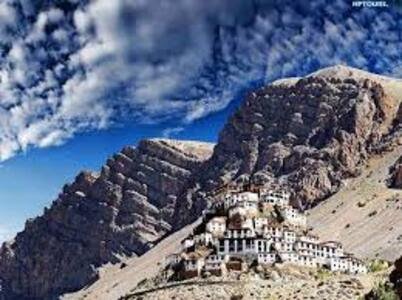
Tayul Monastery, nestled in the serene landscapes of the Himalayas, holds a rich tapestry of history and spiritual practices that captivate visitors and practitioners alike. An ancient monastery in the northern region of India, the Tayul Gompa is known for its 12 ft statue of Guru Padmasambhava. Founded several centuries ago, Tayul Monastery is a revered seat of Tibetan Buddhism, renowned for its unique methodologies and diverse types of spiritual teachings.


History:

Founded in the 17th century, Tayul Monastery traces its origins to the visionary Tibetan Buddhist masters who sought seclusion and tranquility in the remote regions of Tibet. Over the centuries, it has served as a beacon of wisdom and spiritual guidance for both local communities and pilgrims from afar. The monastery's history is intertwined with tales of resilience and devotion, surviving various challenges to maintain its sacred traditions.


Methodology:

At the heart of Tayul Monastery's methodology lies the practice of Vajrayana Buddhism, emphasizing esoteric rituals and meditation techniques. Monks and practitioners engage in rigorous daily routines that include chanting, meditation, and the study of Buddhist scriptures. The monastery is known for its strict adherence to ritual purity and the transmission of teachings through direct oral lineage, preserving ancient wisdom for future generations.


Types:

Within Tayul Monastery, different types of spiritual teachings cater to the diverse needs of practitioners. These include teachings on philosophy (such as Madhyamaka and Yogachara), tantric practices (like deity yoga and mandala offerings), and meditation techniques aimed at cultivating mindfulness and compassion. Each type of teaching serves a specific purpose in the spiritual journey, guiding individuals towards enlightenment and inner peace.


Visiting Tayul Monastery offers a profound experience of Tibetan Buddhist culture and spirituality. The architecture of the monastery reflects traditional Tibetan styles, with colorful murals depicting Buddhist legends and intricate mandalas adorning prayer halls. The tranquil surroundings, set against the backdrop of snow-capped peaks and whispering prayer flags, create an atmosphere conducive to deep contemplation and spiritual renewal.


In conclusion, Tayul Monastery stands as a testament to the enduring legacy of Tibetan Buddhism, where history, methodology, and diverse types of teachings converge to nurture the spiritual growth of all who seek wisdom and enlightenment.
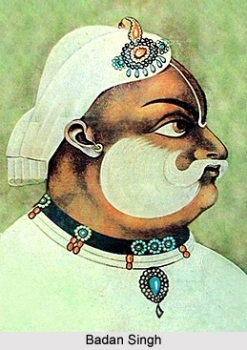
Badan Singh: The Founder of Bharatpur State


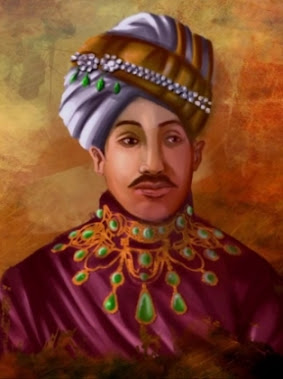
Badan Singh, a prominent figure in Indian history, was the founder of the princely state of Bharatpur in present-day Rajasthan. His life and legacy are intertwined with the establishment of a powerful kingdom that played a crucial role in regional politics during the 18th century.

Badan Singh was born in 1721 into the Jat community, an agricultural caste traditionally associated with farming and rural life. The Jats were known for their martial skills and resilience, traits that would define Badan Singh's leadership in the years to come. His father, Churaman, was a respected leader among the Jats and laid the foundation for their political aspirations.

Badan Singh ascended to leadership after his father's death and embarked on a mission to consolidate Jat power in the region. He successfully united various Jat clans under his leadership and established Bharatpur as a fortified stronghold. His strategic acumen and military prowess enabled him to expand Bharatpur's territories at the expense of neighboring Rajput and Mughal rulers.

One of Badan Singh's notable achievements was his successful resistance against the encroachments of the Mughal Empire under Emperor Muhammad Shah. He led several military campaigns that not only defended Bharatpur from external threats but also expanded its boundaries. His conquests included capturing key territories and fortresses, which significantly enhanced Bharatpur's influence in the region.

Badan Singh was not only a skilled warrior but also a capable administrator. He instituted administrative reforms that streamlined governance and promoted economic development within Bharatpur. His policies fostered agricultural growth, infrastructure development, and trade, which contributed to the prosperity of the state.

Beyond military and political achievements, Badan Singh was known for his patronage of arts and culture. He encouraged the flourishing of local traditions, music, and dance within Bharatpur. His support for religious institutions and temples reflected his commitment to maintaining social harmony and religious tolerance among the diverse communities of his kingdom.

Badan Singh's establishment of Bharatpur State marked a significant chapter in Indian history. His defiance against the Mughal Empire and successful assertion of Jat power challenged the prevailing political dynamics of the time. Bharatpur under his leadership emerged as a formidable force in Rajasthan, influencing regional politics and alliances.

Badan Singh's legacy as the founder of Bharatpur State underscores his role as a visionary leader, military strategist, and patron of culture. His achievements resonate in the annals of Indian history, symbolizing the resilience and determination of the Jat community. Badan Singh's contributions continue to be remembered and celebrated, highlighting his enduring impact on the socio-political landscape of Rajasthan and his legacy as a pioneer in the history of princely states in India.


Monday, 8 July 2024

Matho Monastery: Where History and Spirituality Converge


Nestled amidst the rugged terrain of Ladakh, in the far northern reaches of India, stands the majestic Matho Monastery, a testament to the enduring legacy of Tibetan Buddhism. This sacred site, perched precariously on a hilltop, commands a breathtaking panoramic view of the surrounding Himalayas, serving as a profound reminder of the spiritual grandeur that has captivated pilgrims and visitors alike for centuries.


Believed to have been founded in the 15th century, the Matho Monastery is affiliated with the Sakya school of Tibetan Buddhism, one of the principal schools of this ancient tradition. The monastery's architectural magnificence is a harmonious blend of Tibetan and Ladakhi styles, with its red-painted walls and intricate murals adorning the interior spaces, evoking a sense of timelessness and reverence.


At the heart of the Matho Monastery lies the main assembly hall, known as the Dukhang, which houses a remarkable collection of sacred Buddhist statues, thangka paintings, and religious texts. These relics, painstakingly preserved over the generations, serve as a tangible connection to the rich cultural heritage of the region, offering visitors a glimpse into the profound philosophical and artistic traditions that have shaped the spiritual landscape of the Himalayas.


Beyond its religious significance, the Matho Monastery also plays a vital role in the local community, serving as a hub for educational and social activities. The monastery's monastic school, which offers instruction in Buddhist philosophy, ritual, and the Tibetan language, has been instrumental in cultivating the next generation of spiritual leaders and preserving the region's cultural identity.


As a testament to its enduring importance, the Matho Monastery has withstood the ravages of time, natural disasters, and political upheavals, standing as a resilient symbol of the enduring spirit of Tibetan Buddhism. Today, it continues to attract pilgrims and travelers from around the world, who come to bask in the serenity of this timeless sanctuary and to bear witness to the timeless wisdom that has flourished within its hallowed walls.

Sunday, 7 July 2024

Jaitugi I: A Trailblazing Figure in History


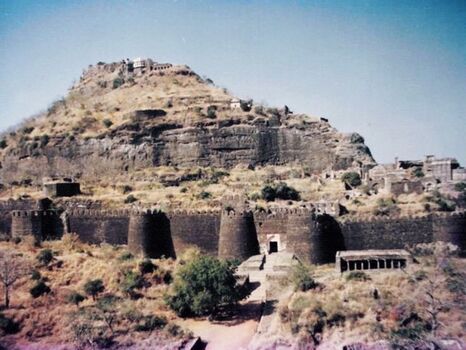
In the annals of medieval Indian history, the figure of Jaitugi I stands out as a remarkable leader whose reign marked a significant era of transformation and consolidation. Born in the early 13th century, Jaitugi I ascended to power at a pivotal moment in the history of the Deccan region, where his dynasty, the Yadavas of Devagiri, held sway over a vast territory in present-day Maharashtra, India.

Jaitugi I  was born into the Yadava dynasty, which had its roots in the legendary Yadu lineage of ancient India. His family had established the Yadava kingdom centered around Devagiri (modern Daulatabad) following the decline of the Chalukyas and the rise of the Yadavas as regional power brokers. The early years of Jaitugi I's life were likely spent in learning statecraft, administration, and warfare, preparing him for the responsibilities that lay ahead.

Jaitugi I assumed the throne during a period of regional instability and external threats. His predecessors had laid the foundation for a strong Yadava kingdom, but it was under Jaitugi I's leadership that the realm flourished both culturally and militarily. He consolidated his authority over the Deccan region, forging alliances with neighboring kingdoms while also defending his borders from external invasions.

One of Jaitugi I's most enduring legacies was his patronage of the arts and literature. The Yadava court under his rule became a center of cultural excellence, attracting poets, scholars, and artists from across India. This patronage not only enriched the cultural tapestry of the kingdom but also contributed to the development of regional literature in languages such as Marathi and Kannada.

In addition to his cultural contributions, Jaitugi I was a formidable military leader. He successfully repelled incursions from the Delhi Sultanate, which sought to extend its influence southwards. His strategic acumen and military prowess were instrumental in safeguarding the independence of the Yadava kingdom and preserving its autonomy in the face of external pressures.

Jaitugi I's reign marked a high point in the history of the Yadava dynasty. His successors benefited from the stability and prosperity that he had secured, allowing the Yadavas to consolidate their hold over the Deccan for several generations to come. The architectural and cultural achievements of his era continued to shape the identity of the region long after his passing.

Moreover, Jaitugi I's leadership exemplified the ethos of regional resilience and cultural synthesis that characterized medieval India. His ability to navigate complex political landscapes while fostering an environment of cultural flourishing remains a testament to his vision and statesmanship.

Jaitugi I, through his leadership and patronage, left an indelible mark on the history of medieval India. As a ruler of the Yadava dynasty, he not only expanded his kingdom's influence but also enriched its cultural and intellectual life. His reign serves as a reminder of the enduring legacy of Indian dynasties in shaping the course of regional history and contributing to the broader tapestry of Indian civilization. Jaitugi I's story continues to inspire admiration for his achievements and respect for his contributions to the cultural and political landscape of his time.


Saturday, 6 July 2024

Stongdey Monastery: A Beacon of Spiritual and Cultural Heritage


Stongdey monastery is the second largest monastic establishment of Zanskar, inhabited by Gelukpa monks. Stongdey is also spelled as Stongde, Stongday, Tonday or Thonde. This Buddhist monastery was built in the year 1052.This awe-inspiring site, dating back to the 11th century, has long been a hub of Buddhist learning and contemplation, drawing pilgrims and scholars from across the world.


Stongdey Monastery is situated in the Ladakh region of the Indian state of Jammu and Kashmir, situated at an impressive altitude of over 4,000 meters above sea level. The monastery's architectural design seamlessly blends traditional Tibetan elements with the rugged, awe-inspiring natural surroundings, creating a truly mesmerizing visual experience.


One of the most striking features of Stongdey Monastery is its collection of meticulously preserved murals and thangka paintings, which adorn the interior walls of the various prayer halls and assembly chambers. These exquisite artworks, dating back centuries, depict scenes from Buddhist mythology and the lives of revered spiritual leaders, offering visitors a glimpse into the rich cultural heritage of the region.


The monastery's library is another remarkable aspect, housing a vast collection of ancient Buddhist texts and scriptures, some of which are considered to be among the oldest and most valuable in the world. Scholars and researchers from around the globe have long flocked to Stongdey Monastery to study these rare and invaluable manuscripts, which provide crucial insights into the evolution of Buddhist thought and practice.


In addition to its cultural and historical significance, Stongdey Monastery also serves as a hub of spiritual education and practice. The monastery is home to a thriving community of Buddhist monks and nuns, who dedicate their lives to the study and propagation of the Dharma, the teachings of the Buddha. Visitors to the monastery have the opportunity to participate in meditation sessions, rituals, and other spiritual activities, allowing them to immerse themselves in the profound traditions of Tibetan Buddhism.


As a UNESCO World Heritage Site, Stongdey Monastery stands as a testament to the enduring power of human creativity, spirituality, and resilience. Its timeless beauty and rich cultural heritage continue to captivate and inspire visitors from around the world, making it a must-visit destination for anyone seeking to explore the wonders of the Himalayan region.


Friday, 5 July 2024

Bhillama V: Unveiling the Legend


Bhillama V, also known as Bhilama, was a powerful ruler of the Chalukya dynasty that ruled parts of present-day Karnataka and Maharashtra in South India during the 11th century. He was the successor of Tailapa II and played a significant role in shaping the history of the Chalukya Empire. Let's explore the history, origin, and accomplishments of Bhillama V in this article.

Bhillama V belonged to the Western Chalukya dynasty, which was founded by Pulakeshin I in the 6th century. The Chalukyas were known for their military prowess, architectural achievements, and patronage of arts and culture. Bhillama V ascended to the throne of the Chalukya Empire around the mid-11th century, following the death of his predecessor Tailapa II.

Military Conquests and Expansion: During his reign, Bhillama V embarked on several military campaigns to expand the territories of the Chalukya Empire. He waged wars against neighboring kingdoms and successfully annexed new regions under his rule. Bhillama V's military expeditions were marked by his strategic acumen, valor on the battlefield, and ability to forge alliances with local chieftains.

The rule of Bhillama V witnessed the consolidation of the Chalukya Empire's power and influence in the Deccan region of South India. His military achievements helped in strengthening the empire's position vis-à-vis rival dynasties and asserting Chalukya supremacy in the political landscape of the time.

Religious Patronage and Cultural Legacy: Bhillama V was known for his patronage of religion and culture. He supported Hindu temples and institutions, fostering a vibrant cultural environment within his kingdom. The Chalukya period was characterized by a flourishing of art, architecture, literature, and music, and Bhillama V played a role in furthering these cultural developments.

The Chalukya dynasty was renowned for its architectural marvels, including the impressive rock-cut temples at Badami, Aihole, and Pattadakal. Bhillama V continued this tradition of architectural patronage, contributing to the construction and embellishment of temples and monuments that showcased the artistic brilliance of the era.

Legacy and Historical Significance: Bhillama V's reign marked a pivotal period in the history of the Chalukya dynasty. His military conquests, administrative reforms, and cultural patronage contributed to the empire's prosperity and enduring legacy. The Chalukya Empire under Bhillama V's rule reached its zenith in terms of territorial expansion and political influence.

Bhillama V's achievements were lauded by contemporary historians and chroniclers, who documented his reign and accomplishments. The legacy of Bhillama V endured beyond his lifetime, as subsequent rulers of the Chalukya dynasty sought to emulate his successes and preserve the empire's cultural heritage.

In conclusion, Bhillama V was a formidable ruler of the Chalukya dynasty whose contributions to the empire's history, origin, and culture are significant. His reign exemplified the military might, cultural richness, and administrative prowess of the Chalukya Empire during the 11th century, leaving a lasting imprint on the historical narrative of South India.


Thursday, 4 July 2024

Rizong Monastery: Guardian of Ancient Himalayan Traditions


Nestled deep within the rugged terrain of Ladakh, Rizong Monastery, also known as Rizong Gompa, stands as a sanctuary of solitude and spiritual rigor. Founded in the late 19th century by the great Lama Tsultim Nima, Rizong Monastery belongs to the Gelugpa sect of Tibetan Buddhism, emphasizing strict monastic discipline and meditation.


History: Rizong Monastery was established with the vision of providing a retreat for monks dedicated to intensive meditation and study. Situated amidst barren cliffs and rocky slopes, its isolation was chosen deliberately to minimize distractions and foster deep spiritual contemplation. Over the years, the monastery has maintained its austere lifestyle and adherence to traditional Buddhist teachings despite challenges posed by the harsh Himalayan environment.


Methodology:  The monastery's methodology centers around a strict regimen of meditation and monastic discipline. Monks at Rizong dedicate themselves to daily prayers, chanting of mantras, and extended periods of solitary meditation in their cells. The curriculum includes rigorous study of Buddhist scriptures, focusing on philosophical debates and the application of teachings in daily life. The monastery's simplicity in architecture and surroundings complements its emphasis on inner reflection and spiritual purification.


Types of Spiritual Practice: Within Rizong Monastery, monks engage in various forms of spiritual practice tailored to deepening their understanding of Buddhist principles and achieving enlightenment. Meditation practices range from mindfulness and visualization techniques to advanced tantric rituals taught by experienced lamas. Ritual ceremonies mark significant Buddhist occasions, providing opportunities for communal worship and reflection.


Rizong Monastery stands as a beacon of spiritual discipline and solitude in the Himalayan landscape, offering practitioners and visitors alike a glimpse into the ascetic traditions of Tibetan Buddhism. Its history, methodology of rigorous practice, and commitment to preserving ancient teachings embody the timeless pursuit of inner peace and wisdom. As pilgrims ascend the rocky paths to Rizong Monastery, they embark on a journey of self-discovery and spiritual transformation amidst the serenity of Ladakh's mountains.

"Hari Singh: The Maharaja Who Defined an Era"


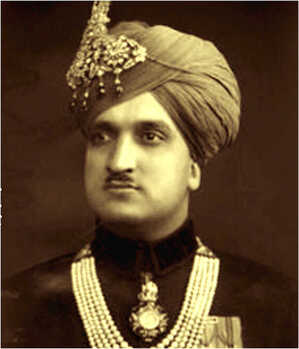
Hari Singh is a name that carries significant historical and cultural significance in the Indian subcontinent. The origins of the name can be traced back to the Sanskrit language, where "Hari" is a name for the Hindu deity Vishnu, who is often revered as a protector and preserver of the universe. "Singh" is a common surname in the Sikh community, meaning "lion" in Punjabi, and is often used as a middle or last name to signify strength and courage.

In the context of history, Hari Singh holds a prominent place in the chronicles of India, particularly in the region of Jammu and Kashmir. He was the last ruling Maharaja of the princely state of Jammu and Kashmir, which was a point of contention during the partition of India in 1947. Born on 23rd September 1895, Hari Singh ascended to the throne in 1925 following the death of his uncle.

During his rule, Hari Singh faced various challenges, including internal dissent and external pressures from neighboring princely states and the British Empire. However, his most defining moment came during the partition of India when he was forced to decide the fate of his princely state amidst the communal tensions and violence engulfing the region.

Hari Singh's decision to sign the Instrument of Accession to India in October 1947 marked a crucial turning point in the history of Jammu and Kashmir. This move led to the deployment of Indian troops to defend the princely state against invading tribal militias supported by Pakistan. The subsequent conflict resulted in the de facto division of the region into Pakistani-administered Azad Jammu and Kashmir and Indian-administered Jammu and Kashmir, setting the stage for decades of political unrest and territorial disputes.

Despite relinquishing his ruling authority after the accession, Hari Singh continued to be a prominent figure in the political landscape of Jammu and Kashmir. He played a role in advocating for the rights and welfare of the people of the region, particularly in the aftermath of the partition and the subsequent Indo-Pak wars over the territory.

Hari Singh's legacy is a complex and nuanced one, with opinions about his reign and decisions varying among historians and scholars. Some view him as a visionary leader who navigated treacherous political waters with courage and foresight, while others criticize his handling of the partition and its aftermath.

In contemporary times, the name Hari Singh continues to evoke historical memory and cultural significance in the region of Jammu and Kashmir. It symbolizes a chapter of the past that has shaped the present-day dynamics of the disputed territory, as well as the broader narratives of Indian independence and partition.

Overall, Hari Singh's story is a reminder of the intricate tapestry of history, identity, and politics that define the Indian subcontinent. His name resonates with layers of meaning and emotion, reflecting the complexities of a region marked by diversity, conflict, and resilience.


Shey Monastery: Legacy of Royalty and Spirituality


Shey Monastery, situated 15 kilometers south of Leh in Ladakh, is a prominent symbol of both spiritual devotion and royal patronage in the region's history. Shey Monastery or Gompa is perched on a hillock in Shey, Jammu & Kashmir. It is popular for a two-storey high statue of seated Buddha.  This revered institution, with its rich history and distinctive architectural style, has long been a focal point for spiritual enlightenment and cultural preservation.


Historians trace the origins of Shey Monastery back to the 9th century, when it was founded by the Tibetan King Langdarma's minister, Lama Palden Chojey. The monastery's strategic location, perched atop a hill overlooking the Indus River, not only provided a commanding view of the surrounding landscape but also served as a vital hub for the region's religious and intellectual activities.


The architectural methodology employed in the construction of Shey Monastery reflects the intricate blend of Tibetan and Kashmiri influences. The main assembly hall, known as the Dukhang, is a masterpiece of traditional Tibetan design, featuring elaborate murals, intricate wood carvings, and a towering central statue of the Buddha. The monastery's chapels and shrines, each dedicated to specific deities and practices, showcase the diversity and depth of Tibetan Buddhist teachings.


One of the defining features of Shey Monastery is the variety of religious practices and methodologies observed within its hallowed walls. The monastery is home to both the Gelugpa and Sakyapa schools of Tibetan Buddhism, each with its own distinct rituals and teachings. Visitors can witness the rhythmic chanting of devotees, the graceful movements of monastic dances, and the meticulous preparation of sacred offerings, all of which contribute to the vibrant spiritual atmosphere that permeates the monastery. As a hub of Tibetan Buddhist scholarship, Shey Monastery has fostered the cultivation of knowledge and the transmission of sacred texts for generations.


In the face of political upheaval and cultural shifts, Shey Monastery has remained a steadfast guardian of Tibetan Buddhist heritage. Its enduring presence amidst the Himalayas serves as a testament to the resilience and adaptability of this centuries-old institution, ensuring that the teachings and traditions of this rich spiritual legacy will continue to inspire and guide generations to come.


Wednesday, 3 July 2024

Alchi Monastery: Preserving Ancient Treasures in Ladakh


The Alchi Monastery is a complex of temples located in the Alchi village with various monuments dated to different periods. Alchi Monastery, situated on the banks of the Indus River in the picturesque Ladakh region of India, stands as a testament to the artistic and spiritual legacy of Tibetan Buddhism. Founded over a thousand years ago, Alchi is renowned for its unique blend of Indian and Tibetan artistic styles, making it a cultural gem and a significant pilgrimage site.


History:


 Alchi Monastery, believed to have been established in the 10th century by the scholar Rinchen Zangpo, is one of the oldest monastic establishments in Ladakh. It was built during the era of the Great Tibetan King, Yeshe-O, and served as a center for learning and meditation. The monastery is celebrated for its exquisite frescoes, which depict Buddhist deities, mandalas, and scenes from the life of Buddha, offering a glimpse into the rich cultural exchange between India and Tibet during that period.


Methodology:


Alchi Monastery follows the teachings and rituals of Tibetan Buddhism, emphasizing meditation, chanting, and the study of Buddhist scriptures. Monks residing here engage in daily practices that uphold the spiritual traditions passed down through generations. The monastery also hosts religious ceremonies and festivals, including the Alchi Gustor festival, where monks perform sacred dances to commemorate significant events in Buddhist history.


Types:


The monastery complex at Alchi consists of several temples and structures, each showcasing distinct architectural styles and artistic motifs. The main attractions include the Dukhang (assembly hall), which houses ancient statues of Buddha and elaborate wall paintings, and the Sumtsek Temple, renowned for its three-tiered structure adorned with intricate wood carvings and murals. Additionally, Alchi Monastery features Chortens (stupas) and a collection of ancient manuscripts, preserving a wealth of religious and cultural artifacts.


Visitors to Alchi Monastery are captivated not only by its historical significance but also by its serene ambiance and the artistic brilliance displayed in its ancient artworks. Surrounded by the rugged beauty of the Himalayan landscape, Alchi continues to be a sanctuary where the spiritual teachings of Tibetan Buddhism thrive, offering a profound experience for pilgrims and tourists alike.


Maharaja Rajendra Chola I: Architect of a Maritime Empire


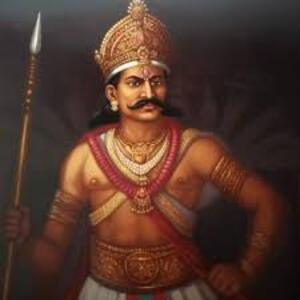
Maharaja Rajendra Chola I is renowned as one of the greatest rulers of the Chola dynasty, a powerful empire that dominated South India and Southeast Asia during the medieval period. His reign, which lasted from 1014 to 1044 AD, marked a golden era in the history of the Chola empire, characterized by territorial expansion, military conquests, and cultural achievements.

Rajendra Chola I was born in the illustrious Chola royal family as the son of Rajaraja Chola I, the founder of the Chola dynasty's imperial expansion. Rajendra Chola inherited a strong and prosperous empire from his father and continued to build upon his legacy, expanding the Chola territories to new heights of power and influence.

One of the most significant achievements of Maharaja Rajendra Chola I was his military prowess and successful conquests. He inherited a well-trained and disciplined army from his father and further strengthened it by conducting strategic military campaigns across South India and beyond. Rajendra Chola's military expeditions resulted in the annexation of new territories, including regions in present-day Sri Lanka, Southeast Asia, and the Maldives.

Under Rajendra Chola's rule, the Chola empire reached its zenith in terms of territorial expansion and political influence. His military campaigns not only extended the Chola empire's borders but also established Chola dominance in the Indian Ocean trade routes, facilitating maritime trade and commerce with distant lands.

In addition to his military conquests, Maharaja Rajendra Chola I was also a patron of art, architecture, and literature. During his reign, the Chola empire witnessed a flourishing of art and culture, with the construction of grand temples, palaces, and monuments that reflected the Chola's architectural and artistic excellence. The Brihadeeswarar Temple in Thanjavur, built by Rajendra Chola's father, stands as a testament to the Chola empire's architectural achievements.

Rajendra Chola's patronage of literature and education also contributed to the intellectual and cultural growth of the Chola dynasty. Sanskrit and Tamil literature thrived under his reign, with scholars and poets receiving royal support and encouragement.

The legacy of Maharaja Rajendra Chola I as a great warrior king and a patron of art and culture continues to be celebrated in South India and beyond. His contributions to the expansion of the Chola empire, his military achievements, and his cultural patronage have earned him a place of honor in the annals of Indian history.

In conclusion, Maharaja Rajendra Chola I stands out as a towering figure in the history of the Chola dynasty and Indian medieval history. His leadership, military exploits, and cultural patronage have left an indelible mark on the legacy of the Chola empire, highlighting the grandeur and splendor of one of the most illustrious dynasties in Indian history.


Tuesday, 2 July 2024

Shashur Monastery: A Sanctuary of Spiritual Legacy


 Shashur monastery is a Buddhist monastery of the Drugpa sect in Lahaul and Spiti, northern India. Shashur Monastery stands as a bastion of Tibetan Buddhist heritage. Founded over 250 years ago, its history is steeped in devotion and cultural resilience, making it a revered pilgrimage site and a center for Buddhist learning.

History:

Founded in the 17th century by Lama Deva Gyatsho, Shashur Monastery has endured centuries of cultural change and external challenges. Originally established under the Gelugpa sect of Tibetan Buddhism, it has since evolved into a spiritual hub revered for its tranquil ambiance and historical significance. The monastery's architecture reflects traditional Tibetan styles, with prayer halls adorned with colorful thangkas and ornate woodwork.

Methodology:

The daily life at Shashur Monastery revolves around a disciplined schedule of prayer, meditation, and ritual ceremonies. Monks gather in the early morning hours for chanting and recitation of Buddhist scriptures, followed by meditation sessions aimed at cultivating inner peace and spiritual growth. The monastery also actively engages in community service, offering education and healthcare support to local villagers, embodying the compassionate teachings of Buddhism.

Types:

Shashur Monastery comprises various buildings essential to monastic life, including prayer halls, dormitories for monks, and a library housing ancient manuscripts and Buddhist texts. The main temple, adorned with intricate murals depicting the life of Buddha and various deities, serves as the focal point for religious ceremonies and gatherings. Pilgrims and visitors are welcomed to participate in prayers and gain insights into Tibetan Buddhist practices and philosophy.

In essence, Shashur Monastery stands as a testament to the enduring spirit of Tibetan Buddhism in the Himalayas. Its rich history, disciplined methodology of practice, and architectural splendor make it a captivating destination for spiritual seekers and cultural enthusiasts alike. Amidst the breathtaking landscapes of Lahaul and Spiti, Shashur Monastery continues to inspire reverence and tranquility, offering visitors a glimpse into the profound wisdom and traditions of Tibetan Buddhism.


"Enlightenment and Progress: Krishnaraja Wodeyar III of Mysore"


Krishnaraja Wadiyar III, also known as Mummadi Krishnaraja Wadiyar, was one of the most prominent rulers of the Kingdom of Mysore in southern India during the early 19th century. His reign, which lasted from 1799 to 1868, was a significant period in the history of the region, marked by political upheaval, social reform, and cultural advancement.

Krishnaraja Wadiyar III belonged to the Wadiyar dynasty, which had been ruling the Kingdom of Mysore since the late 14th century. The dynasty had its origins in the Yadu dynasty of Gujarat and rose to power under the leadership of Yaduraya Wadiyar in the early 17th century. Over the centuries, the Wadiyars established themselves as strong and capable rulers, known for their administration, military prowess, and patronage of the arts and culture.

Krishnaraja Wadiyar III ascended to the throne in 1799 at a time of great turmoil in Mysore. The kingdom had been embroiled in conflicts with the British East India Company and the Maratha Empire, leading to the defeat and death of Tipu Sultan, the previous ruler of Mysore, in the Fourth Anglo-Mysore War. Under Krishnaraja Wadiyar III's rule, Mysore entered into a subsidiary alliance with the British, which allowed the kingdom to maintain its autonomy while acknowledging British suzerainty.

One of the key aspects of Krishnaraja Wadiyar III's reign was his focus on administrative reforms and modernization. He introduced new systems of revenue collection, land tenure, and justice administration, which helped to improve governance and promote economic development in the kingdom. Krishnaraja Wadiyar III also undertook measures to promote education and social welfare, including the establishment of schools, colleges, and hospitals.

In addition to his administrative and social reforms, Krishnaraja Wadiyar III was a great patron of the arts and culture. He supported the development of literature, music, dance, and other forms of creative expression, leading to a flourishing of artistic talent in Mysore during his reign. Krishnaraja Wadiyar III himself was known for his appreciation of the arts, and he encouraged artists and scholars to thrive in his kingdom.

Krishnaraja Wadiyar III's reign also saw the construction of several notable architectural landmarks in Mysore, including the Lalitha Mahal Palace, the Jaganmohan Palace, and the Mysore Palace. These buildings, known for their exquisite craftsmanship and grandeur, stand as a testament to the Wadiyar dynasty's legacy of architectural patronage.

Overall, Krishnaraja Wadiyar III's reign was a period of significant transformation and progress for the Kingdom of Mysore. His contributions to administration, social welfare, and culture left a lasting impact on the region, shaping its history and identity for generations to come. Krishnaraja Wadiyar III's legacy as a visionary ruler and a patron of the arts continues to be celebrated and remembered in Mysore and beyond.


Monday, 1 July 2024

Dhankar Monastery : A Sacred Hub of Buddhist Heritage


Perched dramatically atop a high cliff in the Spiti Valley of Himachal Pradesh, India, Dhankar Monastery stands as a testament to centuries of Buddhist heritage and spiritual learning. the Dhankar Monastery stands as a testament to the rich cultural and spiritual legacy of Tibetan Buddhism. Dating back over a thousand years, this ancient monastery holds profound historical significance and continues to be a vital center for Buddhist teachings in the region.


History:

Founded in the 8th century, Dhankar Monastery served as the seat of the rulers of the former Dhankar Kingdom in Spiti. Over the centuries, it evolved into a prominent religious and cultural center, attracting scholars and practitioners from across the Himalayan region. Dhankar Monastery was constructed on the Central Tibetan pattern, which was supposed to have had almost 90 monks in the year 1855. Currently there are 150 lamas residing in the Dhankar Monastery.

Methodology:

The monastery follows the Tibetan Buddhist tradition, particularly the Gelugpa sect, known for its emphasis on rigorous philosophical study and meditation practices. Monks at Dhankar engage in daily rituals, including chanting of scriptures and offering prayers, aimed at cultivating inner peace and wisdom. The monastery also serves as a repository of ancient Buddhist texts and artifacts, preserving valuable insights into Buddhist philosophy and history.

Types of Monastic Activities:

At Dhankar Monastery, monks engage in various types of activities aimed at both spiritual development and community service. These include:

1. Daily Rituals and Ceremonies: Monks participate in morning prayers and evening rituals, adhering to a strict schedule that emphasizes discipline and devotion.

2. Educational Pursuits: The monastery serves as an educational institution where monks study Buddhist scriptures, philosophy, and meditation techniques under the guidance of experienced teachers.

In conclusion, Dhankar Monastery stands not only as a physical structure but as a spiritual beacon in the Himalayas, embodying the rich traditions of Tibetan Buddhism. Its history, methodology of practice, and commitment to serving humanity make it a revered institution not just in Spiti Valley but in the broader Buddhist world.