Monday, 22 July 2024

Prithviraj III Chahamana: The Legendary Ruler of India


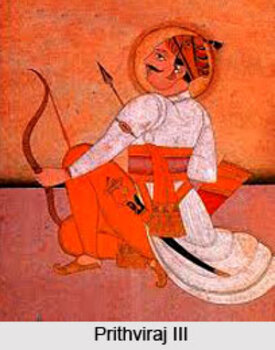
Prithviraj III, also known as Prithviraj Chauhan, stands as one of the most celebrated figures in Indian history. Ruling from 1177 to 1192, he was a member of the Chahamana (Chauhan) dynasty and is remembered not only for his valor and military prowess but also for his significant contributions to Indian culture and governance. His reign marks a critical period in the historical narrative of India, characterized by both grandeur and tumult, as he grappled with the challenges posed by emerging powers, most notably the Ghurid invasions led by Muhammad of Ghor.

Born in 1168, Prithviraj III was the son of Somesvara and inherited the throne at a young age. He ascended to power amidst growing tensions and rivalries among regional kingdoms. His capital, Ajmer, became a focal point of his reign, serving as a hub of political and cultural activity. Prithviraj was not just a monarch; he was also a skilled warrior. His early battles against neighboring Rajput clans helped him consolidate power and establish his dominance in northwestern India.

Prithviraj Chauhan’s military achievements are legendary, and he is often depicted in tales of chivalry and valor. His most famous victory was against the powerful ruler of Gujarat, Bhimdev II, and later against the Muslim military leader Muhammad of Ghor. Prithviraj defeated Ghor in the First Battle of Tarain in 1191, a victory that solidified his reputation as a formidable warrior and leader.

However, this triumph was short-lived as the following year, in 1192, Muhammad of Ghor mounted a more substantial offensive. In the Second Battle of Tarain, Prithviraj faced overwhelming odds against Ghor's forces, which were better organized and strategically aligned. The battle ultimately led to Prithviraj's defeat and marked a significant shift in the power dynamics of northern India.

Prithviraj was not only a warrior but also a patron of the arts and culture. His court became a center of literature and learning, attracting scholars, poets, and artists. One of the most notable literary figures of his time was Chand Bardai, who composed the epic poem "Prithviraj Raso," celebrating the king’s life and valor. This text not only highlights Prithviraj’s achievements but also encapsulates the cultural ethos of the time, blending historical facts with legendary embellishments.

Prithviraj Chauhan's legacy transcends his military accomplishments. His fierce resistance against foreign invasions has made him an icon of Rajput valor and chivalry. The narratives surrounding his life have been romanticized in folklore, with stories of his love for Sanyogita and his heroic battles becoming an integral part of Indian cultural consciousness.

The defeat at Tarain, while a turning point that led to the establishment of Muslim rule in northern India, also highlighted the resilience of the Indian spirit. Prithviraj's courage in the face of adversity continues to inspire generations, representing the struggle to uphold sovereignty and dignity in times of turmoil.

Prithviraj III Chahamana remains a pivotal figure in the history of India, embodying the complexities of kingship in a time of change. His reign is marked by significant military, cultural, and architectural milestones that have left an enduring impact on Indian history. As a ruler, a warrior, and a patron of the arts, he exemplified the ideals of bravery and leadership, ensuring that his legacy remains etched in the annals of time. Prithviraj Chauhan is a symbol of resilience, courage, and a steadfast commitment to one’s culture and identity in the face of relentless challenges.



Sunday, 21 July 2024

Key Monastery: Icon of Tibetan Buddhism in Himachal Pradesh


Key Monastery, also known as Ki Monastery or Kye Gompa, is a venerable Buddhist monastery located in the Spiti Valley of Himachal Pradesh, India. Situated at an altitude of 4,166 meters (13,668 feet), it is one of the highest inhabited monasteries in the world and holds significant spiritual and cultural importance.


Founded over a millennium ago, Key Monastery has served as a center for Buddhist learning and meditation throughout its history. It has endured numerous challenges, including invasions and natural disasters, yet has remained a steadfast symbol of Tibetan Buddhism in the region.


The architecture of Key Monastery reflects a blend of Tibetan and Indian styles, characterized by its whitewashed walls, flat roofs, and narrow corridors. Perched on a rocky hilltop, it offers panoramic views of the Spiti River and the surrounding Himalayan mountains, enhancing its spiritual ambiance.


Inside the monastery, ancient murals, thangkas (scroll paintings), scriptures, and sculptures adorn its walls, depicting Buddhist teachings and historical narratives. These artifacts not only enrich the monastery's cultural heritage but also provide insights into Tibetan Buddhist art and philosophy.


Today, Key Monastery continues to attract Buddhist monks and pilgrims from around the world who come to participate in rituals, prayers, and meditation practices. It serves as a spiritual retreat where visitors can experience the tranquility and wisdom of Tibetan Buddhism amidst awe-inspiring natural beauty.


As tourism to the region has grown, efforts to preserve Key Monastery's historical and cultural significance have intensified. Conservation initiatives ensure that future generations can continue to appreciate and learn from this ancient center of spirituality and learning in the Himalayas.


Saturday, 20 July 2024

The Princes of Patiala: A Glimpse into History and Heritage


The princely state of Patiala, located in the northern Indian state of Punjab, is steeped in a rich history marked by a blend of tradition, culture, and significant political influence. The lineage of Patiala's rulers, known as the Phulkian dynasty, traces its origins to the late 17th century.

Patiala was established in 1763 by Baba Ala Singh, a military commander and leader of the Sikhs. He sought to create a separate entity for the Sikhs amidst the political turmoil following the decline of the Mughal Empire. Initially, Patiala was a small town, but under Ala Singh's leadership, it began to flourish. He was recognized for his administrative skills and military acumen, which helped him consolidate power and expand the territory. Patiala became a key stronghold for the Sikhs and an essential center for commerce and culture.

The peak of the Patiala dynasty occurred under the rule of Maharaja Amar Singh, who ascended the throne in the early 19th century. His reign marked significant socio-economic development as well as cultural patronage. Amar Singh emphasized modernization, leading to improvements in infrastructure, education, and health facilities. His progressive policies laid the groundwork for Patiala to emerge as an influential princely state in Punjab.

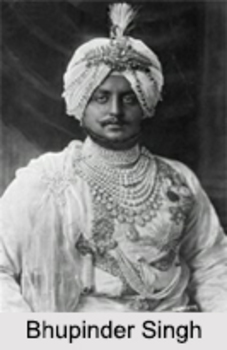
Maharaja Adhiraj Bhupinder Singh, who ruled from 1900 to 1938, is perhaps the most renowned ruler of Patiala. An influential figure in the British-Indian landscape, Bhupinder Singh was known for his extravagant lifestyle and cultural contributions. He established the Patiala State, a prominent and prosperous entity in British India, and had a significant influence on Sikh identity. He was an avid sports enthusiast, actively promoting athletics and ensuring that Patiala was home to significant sporting events.

During British rule, the princes of Patiala had a crucial role in the political landscape. They maintained a delicate balance between loyalty to the British and the aspirations of the Indian independence movement. Bhupinder Singh, for instance, was a member of the Viceroy's Executive Council, providing him a platform to influence decisions at the national level. However, his relationship with the British also drew criticism during the growing wave of nationalism in India.

Post-independence, the princely states were integrated into the Indian Union. The last Maharaja of Patiala, Adhiraj Capt. Amarinder Singh, willingly ceded his rule and participated in the democratic process, further solidifying his family's legacy in the region. The political clout of the Patiala royal family transitioned from princely power to active participation in Indian politics, with members of the family continuing to play significant roles in state governance.

The rulers of Patiala significantly impacted Punjabi culture, art, and architecture. They were the patrons of music, literature, and fine arts. The Qila Mubarak, the magnificent palace complex in Patiala, stands as a testament to their architectural achievements. The rich traditions of Punjabi music, especially the Patiala Gharana of classical music, owe much to the royal family's encouragement of cultural activities.

In contemporary Punjab, the legacy of the Patiala royals continues to endure, influencing not only local culture but also the Indian political spectrum. The story of the princes of Patiala is one of resilience, adapting to changing times while preserving the rich traditions of their heritage. The Phulkian dynasty remains an emblem of pride for many Punjabis, representing an era of splendor and cultural richness that shaped the historical narrative of the region.


Friday, 19 July 2024

The Legacy of Sriranga Deva Raya I: A Great Vijayanagara Emperor


Sriranga Deva Raya I, also known as Raya Rama, was a prominent ruler of the Vijayanagara Empire in South India. His reign, which lasted from 1572 to 1586, was marked by military conquests, political stability, and cultural patronage. Sriranga Deva Raya I is remembered as one of the most successful and influential emperors of the Vijayanagara Empire, leaving behind a lasting legacy that shaped the region for years to come.

Sriranga Deva Raya I was born in 1516 as the son of Achyuta Deva Raya, the ruler of the Vijayanagara Empire. He was the grandson of the legendary emperor Krishnadevaraya, under whose rule the empire reached its zenith. Sriranga Deva Raya I grew up in the midst of the opulence and grandeur of the Vijayanagara court, imbibing the values of leadership, benevolence, and valor from a young age.

After the death of his father, Sriranga Deva Raya I ascended the throne in 1572. His reign began during a turbulent period in South India, with threats from neighboring kingdoms and internal strife challenging the stability of the Vijayanagara Empire. Sriranga Deva Raya I wasted no time in consolidating his power and asserting his authority over the region.

One of Sriranga Deva Raya I's most significant military campaigns was against the Deccan Sultanates, particularly the Adil Shahi Sultanate and the Qutb Shahi Sultanate. He successfully defeated these powerful adversaries and expanded the boundaries of the Vijayanagara Empire to encompass vast territories in present-day Karnataka, Andhra Pradesh, and Tamil Nadu.

Sriranga Deva Raya I was also known for his naval prowess, which he demonstrated in his confrontations with the Portuguese colonizers along the western coast of India. By bolstering the Vijayanagara naval fleet and establishing strategic alliances with other coastal kingdoms, Sriranga Deva Raya I was able to safeguard his empire's maritime interests and prevent incursions from foreign powers.

In addition to his military achievements, Sriranga Deva Raya I was a great patron of the arts and literature. During his reign, the Vijayanagara Empire witnessed a flourishing of cultural activities, with poets, scholars, and artists finding favor and support at the royal court. Sriranga Deva Raya I's patronage extended to temples and religious institutions as well, with many architectural wonders and religious edifices commissioned under his rule.

Sriranga Deva Raya I's legacy as a benevolent and visionary ruler endures to this day. He is remembered for his administrative acumen, military valor, and cultural contributions that enriched the fabric of South Indian society. The reign of Sriranga Deva Raya I exemplifies the heights to which the Vijayanagara Empire rose under strong and enlightened leadership, leaving an indelible mark on the history of the region.

In conclusion, Sriranga Deva Raya I remains a towering figure in the annals of South Indian history, revered for his accomplishments as a warrior, statesman, and patron of the arts. His legacy serves as a testament to the enduring power of leadership and vision in shaping the destinies of empires and civilizations.


Namdroling Monastery: Gateway to Tibetan Culture in India


Namdroling Monastery, located in Bylakuppe near Kushalnagar in Karnataka, India, is a prominent center of Tibetan Buddhism outside Tibet. Established in 1963 by His Holiness Pema Norbu Rinpoche, also known as Penor Rinpoche, Namdroling Monastery is home to thousands of monks and nuns, making it one of the largest Tibetan Buddhist monastic institutions in the world.


The monastery is renowned for its stunning architecture that reflects traditional Tibetan design. Its main temple, known as the Golden Temple or the Padmasambhava Vihara, is adorned with intricate paintings depicting Buddhist deities, mandalas, and mythological scenes. Inside, the temple houses towering statues of Guru Padmasambhava (Guru Rinpoche), Buddha Shakyamuni, and Amitayus, among others, all meticulously crafted by skilled artisans from Tibet and India.


Namdroling Monastery is not just a religious center but also a hub of cultural preservation and education. Monks and nuns engage in rigorous study and practice of Tibetan Buddhist philosophy, rituals, and meditation techniques. The monastery's curriculum includes teachings on Buddhist scriptures, logic, and ritual arts, ensuring the continuity of Tibetan Buddhist traditions in exile.


Visitors to Namdroling Monastery are welcomed by the serene ambiance of its sprawling campus, which includes residential quarters, educational institutions, and guest accommodations. The monastery grounds are meticulously maintained, featuring gardens, prayer wheels, and stupas, creating a tranquil atmosphere conducive to spiritual contemplation.


Throughout the year, Namdroling Monastery hosts various religious ceremonies, festivals, and teachings, attracting pilgrims and tourists alike. The most significant festival celebrated here is Losar, Tibetan New Year, marked by colorful rituals, mask dances, and prayers for peace and prosperity.


In essence, Namdroling Monastery stands as a testament to the resilience and vibrant cultural heritage of Tibetan Buddhism in India. It continues to serve as a spiritual beacon and a vital institution for preserving Tibetan Buddhist teachings and practices for future generations.

Thursday, 18 July 2024

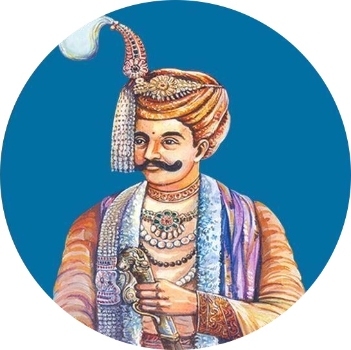
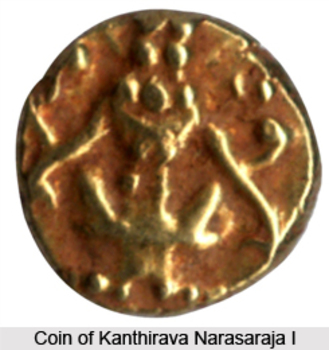
Legacy of Kanthirava Narasaraja I: Mysore's Golden Era


 Kanthirava Narasaraja I, a prominent ruler of the Nayaka dynasty in 17th-century South India, left an enduring legacy through his strategic governance and cultural patronage. Ascending to the throne of Mysore in 1638, he ruled until 1659, shaping the region's history during a pivotal era.

Kanthirava Narasaraja I's reign marked a significant period in Mysore's history, characterized by military achievements, administrative reforms, and cultural advancements. His leadership navigated challenges and fostered prosperity, leaving an indelible mark on the kingdom.

Narasaraja I distinguished himself through strategic military campaigns that expanded Mysore's territorial boundaries and secured the kingdom against external threats. His adept administration strengthened internal governance structures, ensuring stability and growth.

Beyond military exploits, Narasaraja I was a notable patron of arts and literature. Under his rule, Mysore flourished culturally, with significant advancements in Kannada literature and the arts. He supported scholars, poets, and artists, contributing to a vibrant cultural milieu.


The legacy of Kanthirava Narasaraja I endures as a testament to his leadership and vision. His contributions to Mysore's military strength, administrative efficiency, and cultural richness shaped the kingdom's identity and historical trajectory. His reign represents a flourishing era in South Indian history, celebrated for its achievements in governance and cultural patronage.

Kanthirava Narasaraja I remains a revered figure in the annals of Mysore's history, remembered for his multifaceted leadership and enduring contributions to military prowess, administrative reform, and cultural flourishing. His legacy continues to inspire appreciation for his role in shaping the vibrant heritage of South India.


Wednesday, 17 July 2024

Inside Gandhola Monastery: Tradition and Wisdom


Gandhola Monastery, nestled in the serene hills of Tibet, stands as a testament to the rich cultural and spiritual heritage of Tibetan Buddhism. The Gandhola Monastery also known as Guru Ghantal Gompa is one of the oldest monasteries in the Lahaul region. Founded over five centuries ago, its history intertwines with the spread of Buddhism across the region and the resilience of its monks through various historical upheavals.


History:

Founded in the 16th century by the revered Tibetan Buddhist master, Lama Kunga Rinchen, Gandhola Monastery has served as a center for Buddhist learning and meditation ever since. Initially established as a modest retreat for spiritual practice, it gradually expanded into a monastery renowned for its teachings on Mahayana Buddhism, particularly the Gelugpa tradition. Despite facing challenges during periods of political instability, Gandhola Monastery has persisted, adapting to changing times while preserving its core teachings and practices.


Methodology:

The monastery follows a rigorous yet contemplative approach to Buddhist practice. Monks engage in daily rituals including chanting, meditation, and study sessions focused on Buddhist scriptures and philosophy. The methodology emphasizes the cultivation of compassion, wisdom, and mindfulness, guiding monks towards spiritual enlightenment and the alleviation of suffering for all sentient beings.


Types:

Within Gandhola Monastery, various types of Buddhist practitioners coexist, each contributing to the diverse tapestry of spiritual life. Novice monks undergo rigorous training in monastic discipline and academic study, while senior monks often take on leadership roles in teaching and administration. Additionally, the monastery welcomes lay practitioners and visitors seeking spiritual guidance, offering retreats and teachings accessible to both residents and guests.


Today, Gandhola Monastery remains a beacon of Tibetan Buddhist tradition, attracting scholars and practitioners from around the world. Its tranquil surroundings and profound teachings continue to inspire and educate, ensuring that the legacy of Tibetan Buddhism thrives into the future. As the world changes, Gandhola Monastery stands as a timeless sanctuary where ancient wisdom meets contemporary challenges, offering solace and spiritual growth to all who seek it.

Virarajendra Chola I: Architect of Chola Resurgence


Virarajendra Chola I, also known as the Kalari-Vira, was a renowned ruler of the Chola dynasty who reigned during the 11th century CE. His leadership and military prowess played a pivotal role in shaping the history of the Chola Empire, making him a legendary figure in ancient South Indian history.

Born into the illustrious Chola lineage, Virarajendra Chola I inherited a legacy of power and conquest. He ascended to the throne in 1063 CE, following the death of his father, Rajendra Chola II. Despite facing internal strife and external threats, Virarajendra proved himself to be a formidable warrior king who successfully defended the Chola Empire and expanded its territories through a series of military campaigns.

One of the most significant events during Virarajendra Chola I's reign was his successful military expedition against the Chalukyas of Kalyani. The Chalukyas, who were powerful rivals of the Cholas, posed a threat to Chola dominance in the region. However, Virarajendra's strategic military planning and decisive leadership led to the defeat of the Chalukyas, solidifying Chola control over the Deccan region and establishing the Cholas as the preeminent power in South India.

Virarajendra Chola I's military campaigns were not limited to the Deccan region. He also led successful expeditions into the Pandya territories in southern Tamil Nadu, further expanding Chola influence and asserting dominance over rival kingdoms. His military achievements earned him the title of Kalari-Vira, or "the Brave in the Field," highlighting his reputation as a fearless and skilled warrior king.

In addition to his military conquests, Virarajendra Chola I was known for his administrative acumen and patronage of the arts. He supported the construction of magnificent temples, such as the Airavatesvara Temple in Darasuram, which stands as a testament to the Chola dynasty's architectural and artistic achievements. Virarajendra's patronage of the arts and culture contributed to the flourishing of literature, music, and dance during his reign.

Despite his military successes and cultural contributions, Virarajendra Chola I faced internal challenges within the Chola Empire. Revolts and uprisings among regional governors and nobles posed a threat to his authority, requiring him to navigate complex political situations and maintain stability within his realm. However, Virarajendra's resilience and leadership skills enabled him to overcome these challenges and uphold Chola power and prestige.

The reign of Virarajendra Chola I marked a period of both military conquests and cultural achievements for the Chola Empire. His legacy as a warrior king and patron of the arts endures through the numerous inscriptions, temples, and artworks that bear witness to his rule. Virarajendra's contributions to the Chola dynasty and South Indian history continue to be celebrated and studied as a testament to his enduring legacy as a resilient and visionary ruler.


Tuesday, 16 July 2024

Pemayangtse Monastery: Preserving Tradition and Spirituality


Nestled in the serene hills of Sikkim, India, Pemayangtse Monastery stands as a testament to the rich spiritual heritage of Tibetan Buddhism. Founded in 1705 by Lhatsun Chempo, a revered lama of the Nyingma sect, the monastery holds a significant place in the religious landscape of the region. The Pemayangtse monastery draws its name from ‘Padma yang tse’ which literally means ‘sublime perfect lotus’.


History:

Pemayangtse, which translates to "Perfect Sublime Lotus," was established with the aim of upholding the teachings of Vajrayana Buddhism. Over the centuries, it has served as a center for learning and spiritual practice, attracting monks and devotees from far and wide. The monastery has endured various historical challenges, including the political changes in Sikkim, yet it has steadfastly maintained its traditions and teachings.


Methodology:

At Pemayangtse, monks adhere to the rigorous regimen of Tibetan Buddhist monastic life. The daily routine includes prayer sessions, meditation practices, and study of Buddhist scriptures. The monastery follows the principles of the Kagyu tradition, emphasizing the importance of meditation as a means to achieve enlightenment. Monks undergo extensive training under the guidance of senior lamas, ensuring the transmission of Buddhist philosophy and rituals to the next generation.


Types:

Pemayangtse Monastery is renowned for its architectural beauty and spiritual sanctity. The main attraction is the three-storied wooden structure, adorned with intricate carvings and paintings depicting Buddhist deities and motifs. The monastery houses numerous sacred relics, thangkas (religious scrolls), and statues, including a seven-tiered model of the universe known as "Zangdok Palri."


Visitors to Pemayangtse experience not only the grandeur of its physical presence but also the profound tranquility that permeates its surroundings. The monastery offers a glimpse into the spiritual practices and beliefs that have sustained Tibetan Buddhism for centuries.


In conclusion, Pemayangtse Monastery stands as a beacon of Tibetan Buddhist culture, preserving ancient traditions while inspiring spiritual seekers from across the globe. Its historical significance, rigorous methodologies, and artistic treasures make it a cherished gem in the Himalayan foothills, inviting all to witness its timeless beauty and profound spirituality.


Yashwant Rao Holkar: A Legacy of Leadership and Vision


Yashwantrao Holkar, also known as Yashwantrao Puar, was a prominent figure in Indian history, particularly during the 18th century. He was a Maratha ruler who played a significant role in the politics and warfare of his time. Yashwantrao Holkar belonged to the Holkar dynasty, a powerful Maratha clan that rose to prominence in central India.

Yashwantrao Holkar was born in 1776 as the son of Khanderao Holkar, who was the ruler of the Holkar principality at the time. Yashwantrao was known for his military skills and leadership abilities from a young age. He was actively involved in the affairs of the Holkar state and played a crucial role in expanding its territories and influence.

The Holkar dynasty has its origins in the Malwa region of present-day Madhya Pradesh. The founder of the dynasty, Malhar Rao Holkar, was a general in the Maratha Empire who established the Holkar principality in the late 18th century. Under his leadership, the Holkars emerged as one of the most influential Maratha clans in central India.

One of the defining moments of Yashwantrao Holkar's life was his confrontation with the British East India Company during the Second Anglo-Maratha War. The war, which took place between 1803 and 1805, was a significant conflict that shaped the course of Indian history. Yashwantrao Holkar led the Maratha forces against the British in a series of battles, including the Battle of Poona and the Battle of Assaye.

Despite facing formidable opponents, Yashwantrao Holkar demonstrated strategic acumen and resolute determination in his resistance against the British forces. His military tactics and leadership skills earned him a reputation as a formidable warrior and a symbol of Maratha resistance to British imperialism.

Yashwantrao Holkar's legacy extends beyond his military exploits. He was also known for his administrative reforms and efforts to modernize the Holkar state. He implemented policies aimed at promoting agriculture, trade, and industry, which contributed to the economic development of his kingdom.

Furthermore, Yashwantrao Holkar was a patron of art, culture, and literature. He supported talented artists, musicians, and scholars, fostering a vibrant cultural environment in the Holkar principality. His court became a center of intellectual exchange and creative expression, attracting artists and thinkers from across India.

Yashwantrao Holkar's reign came to an end with his death in 1811. However, his legacy continued to inspire generations of Indians who revered him as a heroic figure and a symbol of Maratha pride. His contributions to Indian history, both in the military and administrative spheres, have left a lasting impact on the nation's collective memory.

In conclusion, Yashwantrao Holkar was a visionary leader, a courageous warrior, and a patron of arts and culture. His life and achievements exemplify the rich history and heritage of the Maratha people. As a pivotal figure in Indian history, Yashwantrao Holkar's legacy continues to be remembered and honored by those who appreciate his contributions to the nation.


Monday, 15 July 2024

Pilar Monastery: A Remarkable Architectural Gem


The Pilar Monastery, situated in the enchanting state of Goa, India, stands as a testament to the rich cultural heritage that permeates the region. This architectural masterpiece, steeped in history and religious significance, captivates visitors with its breathtaking design and the profound legacy it embodies.


Constructed in the early 18th century, the Pilar Monastery is a remarkable example of the fusion between Portuguese and Indian architectural styles. The symmetrical layout, the ornate facade, and the intricate details that adorn the structure seamlessly blend the influences of two distinct cultures, creating a harmonious and visually striking ensemble.


One of the most notable features of the Pilar Monastery is its grand facade, which is adorned with intricate carvings and ornamentations. The ornate portal, flanked by imposing columns, invites visitors to step into a world of spiritual and artistic wonder. The interior of the monastery is equally captivating, with its high ceilings, ornate altars, and vibrant frescoes that captivate the senses and create an atmosphere of reverence and contemplation.


Beyond its architectural splendor, the Pilar Monastery also holds deep religious significance. It serves as a center of religious education and a hub for the preservation of Catholicism in the region. The monastery's rich history and its enduring role in the spiritual life of the community have earned it a place of reverence and importance within the cultural landscape of Goa.


In conclusion, the Pilar Monastery stands as a remarkable testament to the convergence of diverse cultural influences and the enduring power of religious devotion. Its architectural elegance, historical significance, and spiritual resonance make it a must-visit destination for those seeking to immerse themselves in the vibrant and multifaceted heritage of Goa.

Randhir Singh: A Visionary Leader and Advocate for Change


Randhir Singh, a name synonymous with leadership and progressive thinking, has left an indelible mark on the socio-political landscape of India. His journey from humble beginnings to becoming a champion of social justice and reform is a testament to his unwavering dedication and visionary outlook.

Born in a small village in Punjab, Randhir Singh's upbringing was deeply rooted in the values of hard work, compassion, and community spirit. His parents, themselves advocates for education and social equality, instilled in him a sense of responsibility towards uplifting the marginalized and promoting harmony among diverse communities.

Randhir Singh's intellectual curiosity and quest for knowledge led him to pursue higher education in political science and law. It was during his formative years at university that he became deeply influenced by the principles of equality, justice, and human rights. He actively participated in student movements advocating for democratic reforms and societal equality, laying the foundation for his future endeavors as a social activist.

Upon completing his education, Randhir Singh embarked on a journey dedicated to advocating for the rights of the oppressed and marginalized sections of society. His early activism focused on issues such as land rights for farmers, empowerment of women, and access to education for all. His articulate voice and strategic approach garnered widespread attention, earning him respect as a formidable advocate for social justice.

Randhir Singh's transition into politics was a natural progression of his commitment to effecting systemic change. He entered public service with a clear vision of inclusive governance and policies that prioritize the welfare of the underprivileged. As a legislator, he championed landmark reforms in healthcare, education, and rural development, leaving a lasting impact on the lives of countless individuals.

Beyond his legislative achievements, Randhir Singh's legacy is defined by his unwavering integrity, foresight, and ability to bridge ideological divides for the greater good. His leadership style, characterized by empathy and pragmatism, continues to inspire a new generation of leaders committed to social progress and equity.

In his later years, Randhir Singh dedicated himself to philanthropic endeavors aimed at sustainable development and empowerment at the grassroots level. He established educational institutions, healthcare facilities, and community centers that continue to uplift marginalized communities and foster a culture of empowerment and self-reliance.

Randhir Singh's life and legacy serve as a beacon of hope and inspiration in India's quest for a more just and equitable society. His unwavering commitment to social justice, combined with his visionary leadership, has left an enduring imprint on the hearts and minds of those who strive for a better tomorrow. As we reflect on his contributions, let us renew our dedication to building a society where every individual has the opportunity to thrive and contribute meaningfully to the collective journey of progress.


Sunday, 14 July 2024

Exploring Tashiding Monastery: A Spiritual Oasis in Sikkim


Perched atop a verdant hill in the serene landscapes of Sikkim, Tashiding Monastery stands as a testament to the deep-rooted spiritual traditions of Tibetan Buddhism. Founded in the 17th century by Ngadak Sempa Chempo Phunshok Rigzing, this ancient monastery holds a revered place in Buddhist pilgrimage and cultural heritage. Tashiding Monastery is one of the oldest monasteries which is located at a distance of 40 kms from Gyalsing and 19 kms to the south east of Yuksom.


History:

Tashiding Monastery's origins are intertwined with the legendary visit of Guru Padmasambhava (Guru Rinpoche), who blessed the land of Sikkim from the summit of Tashiding Hill. This act sanctified the area and established it as a sacred site for Buddhist practice and pilgrimage. Over the centuries, the monastery has been a focal point for monks and devotees seeking spiritual enlightenment and blessings.


Methodology:

Following the Nyingma tradition of Tibetan Buddhism, Tashiding Monastery emphasizes the teachings of Guru Rinpoche and practices such as Dzogchen, which aim at realizing the innate purity and wisdom of the mind. Monks dedicate themselves to rigorous study of Buddhist scriptures, meditation, and daily rituals that cultivate compassion and wisdom. The monastery's peaceful setting amidst forests and rivers enhances the meditative experience for practitioners and visitors alike.


Significance:

Tashiding Monastery serves as both a religious center and a cultural landmark. Its whitewashed walls adorned with colorful prayer flags fluttering in the wind create an atmosphere of serenity and contemplation. Pilgrims flock to participate in important rituals and festivals, such as the Bumchu ceremony, which is believed to forecast the future based on the level of water in a sacred vase.


Legacy:

Today, Tashiding Monastery continues to uphold its legacy as a place of spiritual refuge and cultural preservation in Sikkim. Its architecture, ancient manuscripts, and religious artifacts reflect centuries of devotion and reverence. The monastery welcomes visitors from around the world, offering them an opportunity to immerse themselves in Buddhist teachings and experience the profound tranquility that permeates this sacred site.


In essence, Tashiding Monastery stands as a timeless beacon of Buddhist wisdom and compassion, inviting all who seek solace and spiritual growth amidst the breathtaking beauty of Sikkim's natural landscapes.