Tuesday, 2 July 2024

Shashur Monastery: A Sanctuary of Spiritual Legacy


 Shashur monastery is a Buddhist monastery of the Drugpa sect in Lahaul and Spiti, northern India. Shashur Monastery stands as a bastion of Tibetan Buddhist heritage. Founded over 250 years ago, its history is steeped in devotion and cultural resilience, making it a revered pilgrimage site and a center for Buddhist learning.

History:

Founded in the 17th century by Lama Deva Gyatsho, Shashur Monastery has endured centuries of cultural change and external challenges. Originally established under the Gelugpa sect of Tibetan Buddhism, it has since evolved into a spiritual hub revered for its tranquil ambiance and historical significance. The monastery's architecture reflects traditional Tibetan styles, with prayer halls adorned with colorful thangkas and ornate woodwork.

Methodology:

The daily life at Shashur Monastery revolves around a disciplined schedule of prayer, meditation, and ritual ceremonies. Monks gather in the early morning hours for chanting and recitation of Buddhist scriptures, followed by meditation sessions aimed at cultivating inner peace and spiritual growth. The monastery also actively engages in community service, offering education and healthcare support to local villagers, embodying the compassionate teachings of Buddhism.

Types:

Shashur Monastery comprises various buildings essential to monastic life, including prayer halls, dormitories for monks, and a library housing ancient manuscripts and Buddhist texts. The main temple, adorned with intricate murals depicting the life of Buddha and various deities, serves as the focal point for religious ceremonies and gatherings. Pilgrims and visitors are welcomed to participate in prayers and gain insights into Tibetan Buddhist practices and philosophy.

In essence, Shashur Monastery stands as a testament to the enduring spirit of Tibetan Buddhism in the Himalayas. Its rich history, disciplined methodology of practice, and architectural splendor make it a captivating destination for spiritual seekers and cultural enthusiasts alike. Amidst the breathtaking landscapes of Lahaul and Spiti, Shashur Monastery continues to inspire reverence and tranquility, offering visitors a glimpse into the profound wisdom and traditions of Tibetan Buddhism.
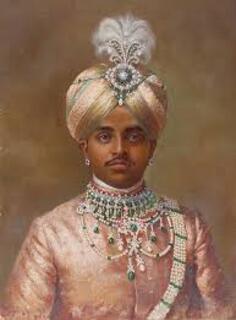
 

"Enlightenment and Progress: Krishnaraja Wodeyar III of Mysore"


Krishnaraja Wadiyar III, also known as Mummadi Krishnaraja Wadiyar, was one of the most prominent rulers of the Kingdom of Mysore in southern India during the early 19th century. His reign, which lasted from 1799 to 1868, was a significant period in the history of the region, marked by political upheaval, social reform, and cultural advancement.

Krishnaraja Wadiyar III belonged to the Wadiyar dynasty, which had been ruling the Kingdom of Mysore since the late 14th century. The dynasty had its origins in the Yadu dynasty of Gujarat and rose to power under the leadership of Yaduraya Wadiyar in the early 17th century. Over the centuries, the Wadiyars established themselves as strong and capable rulers, known for their administration, military prowess, and patronage of the arts and culture.

Krishnaraja Wadiyar III ascended to the throne in 1799 at a time of great turmoil in Mysore. The kingdom had been embroiled in conflicts with the British East India Company and the Maratha Empire, leading to the defeat and death of Tipu Sultan, the previous ruler of Mysore, in the Fourth Anglo-Mysore War. Under Krishnaraja Wadiyar III's rule, Mysore entered into a subsidiary alliance with the British, which allowed the kingdom to maintain its autonomy while acknowledging British suzerainty.

One of the key aspects of Krishnaraja Wadiyar III's reign was his focus on administrative reforms and modernization. He introduced new systems of revenue collection, land tenure, and justice administration, which helped to improve governance and promote economic development in the kingdom. Krishnaraja Wadiyar III also undertook measures to promote education and social welfare, including the establishment of schools, colleges, and hospitals.

In addition to his administrative and social reforms, Krishnaraja Wadiyar III was a great patron of the arts and culture. He supported the development of literature, music, dance, and other forms of creative expression, leading to a flourishing of artistic talent in Mysore during his reign. Krishnaraja Wadiyar III himself was known for his appreciation of the arts, and he encouraged artists and scholars to thrive in his kingdom.

Krishnaraja Wadiyar III's reign also saw the construction of several notable architectural landmarks in Mysore, including the Lalitha Mahal Palace, the Jaganmohan Palace, and the Mysore Palace. These buildings, known for their exquisite craftsmanship and grandeur, stand as a testament to the Wadiyar dynasty's legacy of architectural patronage.

Overall, Krishnaraja Wadiyar III's reign was a period of significant transformation and progress for the Kingdom of Mysore. His contributions to administration, social welfare, and culture left a lasting impact on the region, shaping its history and identity for generations to come. Krishnaraja Wadiyar III's legacy as a visionary ruler and a patron of the arts continues to be celebrated and remembered in Mysore and beyond.


Monday, 1 July 2024

Dhankar Monastery : A Sacred Hub of Buddhist Heritage


Perched dramatically atop a high cliff in the Spiti Valley of Himachal Pradesh, India, Dhankar Monastery stands as a testament to centuries of Buddhist heritage and spiritual learning. the Dhankar Monastery stands as a testament to the rich cultural and spiritual legacy of Tibetan Buddhism. Dating back over a thousand years, this ancient monastery holds profound historical significance and continues to be a vital center for Buddhist teachings in the region.


History:

Founded in the 8th century, Dhankar Monastery served as the seat of the rulers of the former Dhankar Kingdom in Spiti. Over the centuries, it evolved into a prominent religious and cultural center, attracting scholars and practitioners from across the Himalayan region. Dhankar Monastery was constructed on the Central Tibetan pattern, which was supposed to have had almost 90 monks in the year 1855. Currently there are 150 lamas residing in the Dhankar Monastery.

Methodology:

The monastery follows the Tibetan Buddhist tradition, particularly the Gelugpa sect, known for its emphasis on rigorous philosophical study and meditation practices. Monks at Dhankar engage in daily rituals, including chanting of scriptures and offering prayers, aimed at cultivating inner peace and wisdom. The monastery also serves as a repository of ancient Buddhist texts and artifacts, preserving valuable insights into Buddhist philosophy and history.

Types of Monastic Activities:

At Dhankar Monastery, monks engage in various types of activities aimed at both spiritual development and community service. These include:

1. Daily Rituals and Ceremonies: Monks participate in morning prayers and evening rituals, adhering to a strict schedule that emphasizes discipline and devotion.

2. Educational Pursuits: The monastery serves as an educational institution where monks study Buddhist scriptures, philosophy, and meditation techniques under the guidance of experienced teachers.

In conclusion, Dhankar Monastery stands not only as a physical structure but as a spiritual beacon in the Himalayas, embodying the rich traditions of Tibetan Buddhism. Its history, methodology of practice, and commitment to serving humanity make it a revered institution not just in Spiti Valley but in the broader Buddhist world.

Saturday, 29 June 2024

Palyul Choekhorling Monastery


Nestled amidst the breathtaking landscapes of the Tibetan Plateau, the Palyul Choekhorling Monastery stands as a testament to the enduring legacy of Tibetan Buddhism. This monastery is also known as Nyingmapa Buddhist Monastery and the monastery offers free education, lodging, clothing, medical care, and food for all the monks who are studying here. This revered institution, established in the 17th century, has played a pivotal role in preserving and disseminating the profound teachings of the Nyingma school, one of the four major traditions within Tibetan Buddhism.


The history of Palyul Choekhorling Monastery can be traced back to the visionary efforts of Rigdzin Kunzang Sherab, a renowned Nyingma lama who founded the monastery in the year 1665. Over the centuries, the monastery has served as a center of learning, spiritual practice, and contemplation, attracting devoted followers from across the Tibetan cultural sphere. The monastic life at Palyul Choekhorling is characterized by a rich tapestry of religious activities and methodologies. At the heart of the monastery's daily routine lies the practice of Vajrayana, a distinct approach to Buddhist enlightenment that emphasizes the use of various ritual tools, visualization techniques, and esoteric teachings.


The monks engage in meticulous study of the Sutras, Tantras, and other sacred texts, delving into the nuances of Tibetan Buddhist philosophy and its application in personal and communal spiritual development. Beyond the study of canonical texts, the monastery also serves as a hub for the preservation and transmission of unique Tibetan Buddhist art forms. The monks are skilled in the creation of intricate thangkas (Tibetan Buddhist paintings), mandalas, and other sacred objects, which serve as visual aids in meditation and ritual practices.


Palyul Choekhorling Monastery stands not only as a spiritual sanctuary but also as a cultural treasure trove embodying the rich heritage of Tibetan Buddhism. Its historical significance, coupled with its commitment to spiritual growth and enlightenment, makes it a revered destination for pilgrims and scholars alike. Visiting Palyul Choekhorling Monastery offers a unique opportunity to delve into the depths of Tibetan Buddhist philosophy, witness centuries-old traditions in practice, and experience the serene beauty of its Himalayan surroundings.

Friday, 28 June 2024

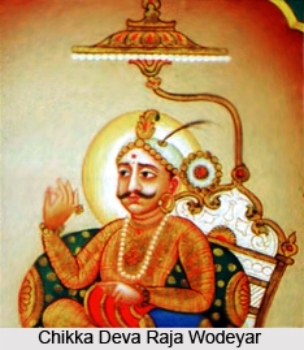
Chikka Deva Raja Wodeyar: A Stalwart of the Wodeyar Dynasty


Chikka Deva Raja Wodeyar, a prominent figure in the history of the Wodeyar dynasty of Mysore, India, was a ruler known for his valor, benevolence, and administrative acumen. Born in 1673, Chikka Deva Raja ascended to the throne of Mysore in 1673, succeeding his father, Kanthirava Narasaraja I. His reign marked a period of stability and prosperity for the kingdom, characterized by significant contributions to infrastructure, culture, and governance.

The Wodeyar dynasty, one of the oldest royal families in India, traces its lineage back to Yaduraya Wodeyar, who established the kingdom of Mysore in the 14th century. Chikka Deva Raja Wodeyar belonged to the 12th generation of rulers in the dynasty and inherited a rich legacy of leadership and statesmanship. His reign, spanning from 1673 to 1704, was a period of consolidation and growth for the kingdom of Mysore.

Chikka Deva Raja Wodeyar was renowned for his military prowess and strategic acumen. He successfully defended the kingdom of Mysore against external threats and expanded its territories through strategic alliances and diplomatic maneuvers. His military campaigns were marked by valor and chivalry, earning him a reputation as a formidable warrior and a skilled tactician.

In addition to his military achievements, Chikka Deva Raja Wodeyar was also a patron of the arts and culture. He supported scholars, poets, and artists, fostering a vibrant cultural environment in his kingdom. Under his patronage, Mysore witnessed a flourishing of literature, music, and dance, with the royal court serving as a center of intellectual and artistic activity.

One of Chikka Deva Raja Wodeyar's enduring legacies is his contribution to the development of infrastructure in Mysore. He undertook several ambitious projects to improve the kingdom's irrigation systems, roads, and public amenities, enhancing the quality of life for his subjects. His efforts to promote agriculture, trade, and commerce laid the foundation for Mysore's economic prosperity and growth.

Chikka Deva Raja Wodeyar was also known for his progressive policies and benevolent rule. He introduced reforms to promote social welfare, religious tolerance, and justice, earning the admiration and respect of his subjects. His emphasis on good governance, fairness, and equitable distribution of resources contributed to the overall well-being of the kingdom and fostered a sense of unity and harmony among its diverse populace.

Chikka Deva Raja Wodeyar's legacy endures as a testament to the enduring influence of the Wodeyar dynasty in shaping the history and culture of Mysore. His contributions to military strategy, governance, culture, and infrastructure have left an indelible mark on the kingdom's heritage and identity. Chikka Deva Raja's reign is remembered as a period of prosperity, progress, and peace, characterized by his visionary leadership and commitment to the welfare of his subjects.

In conclusion, Chikka Deva Raja Wodeyar stands out as a stalwart of the Wodeyar dynasty and a pivotal figure in the history of Mysore. His reign, marked by military triumphs, cultural patronage, and administrative reforms, exemplifies the values of courage, compassion, and foresight that define a great ruler. Chikka Deva Raja's enduring legacy serves as a source of inspiration and pride for the people of Mysore, honoring his memory as a revered leader and statesman.


Kye Monastery: A Timeless Sanctuary of Tibetan Buddhism


Kye Monastery, also known as Key Monastery or Ki Monastery, is a prominent Tibetan Buddhist monastery located in the Spiti Valley of Himachal Pradesh, India. Kye monastery is the oldest and biggest Tibetan Buddhist monastery of the Spiti valley and located at (4116 m) above Kye village. Established over a millennium ago, Kye Monastery holds deep historical and cultural significance as a center of Buddhist learning, meditation, and spirituality.

The history of Kye Monastery is inextricably linked to the evolution of Tibetan Buddhist practices. Established by the renowned Tibetan scholar and lama, Dromtön Gyalwai Jungné, the monastery quickly became a hub of religious learning and contemplation. Over the centuries, it has attracted devotees and scholars from across the Tibetan Buddhist world, who have come to study under the guidance of its esteemed lineage of teachers.

The methodologies employed at Kye Monastery reflect the rich tapestry of Tibetan Buddhist traditions. The monastery's curriculum encompasses a diverse range of teachings, including the Lamdre (Path and Fruit) tradition, the Chöd (Cutting Through) practice, and the Vajrayāna (Tantric) philosophy. These practices are transmitted through a combination of rigorous academic study, contemplative meditation, and ritualistic observances, all of which are designed to cultivate a deep understanding of the Buddhist principles.

The types of Buddhist practice found within the walls of Kye Monastery are as varied as the individuals who seek refuge there. From the intricate mandalas and thangka paintings that adorn the monastery's halls to the rhythmic chants and ceremonial dances that fill the air, the monastery is a living embodiment of the multifaceted nature of Tibetan Buddhism. Visitors can immerse themselves in the tranquility of the monks' daily rituals, or engage in discussions with the resident scholars on the intricacies of Buddhist philosophy.

As a testament to the enduring strength of Tibetan culture, Kye Monastery stands as a beacon of hope and a reminder of the profound wisdom that can be found in the teachings of the Buddha. Through its commitment to preserving the ancient traditions of Tibetan Buddhism, this hallowed institution continues to inspire and enlighten all who seek to deepen their understanding of the human experience.

Thursday, 27 June 2024

Rawal Ratan Singh: The Legendary Figure of Mewar


Rawal Ratan Singh, a revered figure in Indian history and folklore, is celebrated for his courage, chivalry, and steadfast devotion to honor. He ruled over Mewar, a region in present-day Rajasthan, during a period marked by fierce struggles for sovereignty and cultural identity in medieval India.

Originating from the lineage of the Sisodia Rajputs, Rawal Ratan Singh ascended to the throne of Mewar in the 13th century. His reign coincided with turbulent times when the Rajput kingdoms faced external threats from invading forces, particularly from the Delhi Sultanate under Sultan Alauddin Khalji.

One of the most significant events associated with Rawal Ratan Singh is his marriage to Rani Padmini, a woman of exceptional beauty and intellect. The tale of Rani Padmini and the siege of Chittor is deeply intertwined with his legacy. According to historical and literary accounts, Alauddin Khalji, captivated by tales of Padmini's beauty, besieged the fort of Chittor where she resided with Ratan Singh. The siege is portrayed as a clash between the Rajput ideals of honor and valor against the Sultan's ambition and military might.

Rawal Ratan Singh's defiance of Alauddin Khalji and his refusal to compromise on the honor of his wife became emblematic of Rajput bravery and resistance. The siege of Chittor, although resulting in tragic consequences, exemplified the Rajput ethos of sacrifice and valor in the face of overwhelming odds.

The significance of Rawal Ratan Singh lies not only in his role as a ruler but also as a symbol of Rajput pride and valor. His steadfast defense of his kingdom and his commitment to the ideals of honor and loyalty continue to resonate in Indian cultural narratives, folklore, and literature.

In Indian popular culture, Rawal Ratan Singh is immortalized as a heroic figure who exemplifies the virtues of courage, sacrifice, and unwavering determination. His story has been retold through various mediums including ballads, folk songs, and literature, where he is portrayed as a symbol of resistance against tyranny and injustice.

Furthermore, Rawal Ratan Singh's legacy extends beyond his military exploits. He is remembered for his patronage of the arts, architecture, and culture, contributing to the flourishing of Mewar's rich heritage during his reign. His support for literature and the arts helped foster a vibrant cultural milieu that endured beyond his lifetime.

Despite the tragic end of the siege of Chittor and the fall of the fort to Alauddin Khalji's forces, Rawal Ratan Singh's defiance and the sacrifice of his people became a rallying cry for subsequent generations of Rajputs and Indians alike. His courage and resilience in the face of adversity continue to inspire reverence and admiration.

In conclusion, Rawal Ratan Singh remains a pivotal figure in Indian history, symbolizing the indomitable spirit of the Rajputana rulers and their commitment to honor and valor. His legacy as a defender of Mewar's sovereignty and cultural heritage endures as a testament to the enduring principles of courage, sacrifice, and the pursuit of justice in Indian history and collective memory.

Top of Form

Bottom of Form


Indian Monasteries: Spiritual Diversity


Indian monasteries encompass a rich tapestry of history, methodologies, and diverse types, reflecting the country's deep spiritual heritage and cultural diversity. Historically, Indian monasteries have been centers of learning, meditation, and communal living for various religious traditions, including Buddhism, Jainism, Hinduism, and Sikhism.


The history of Indian monasteries dates back thousands of years, with roots in ancient times when ascetic practices and communal living were prevalent among spiritual seekers. Buddhist monasteries, such as those at  Sarnath and Nalanda, played crucial roles in the spread of Buddhism across India and beyond. The rules of Indian monasteries are basically the same in all over India. The authorities of Indian monasteries do not allow smoking, drinking or loud music.These institutions were not only places of worship and meditation but also hubs of intellectual exchange and learning.


Methodologically, Indian monasteries adhere to specific codes of conduct and spiritual practices prescribed by their respective religious traditions. For example, Buddhist monasteries follow the Vinaya, governing monks' behavior and communal harmony. Jain monasteries emphasize non-violence (ahimsa) and asceticism, while Hindu ashrams focus on yoga, meditation, and devotion (bhakti).


In terms of types, Indian monasteries vary widely based on religious affiliations, architectural styles, and regional influences. Buddhist monasteries in Ladakh and Sikkim, characterized by their Tibetan-style architecture and colorful murals, contrast with Jain monastic complexes in Karnataka, known for their intricate stone carvings and serene surroundings.


Today, Indian monasteries continue to serve as spiritual retreats, centers of education, and cultural heritage sites. They attract devotees, pilgrims, and tourists seeking solace, knowledge, and a deeper understanding of India's spiritual traditions.


In essence, Indian monasteries stand as enduring symbols of spiritual pursuit, cultural preservation, and communal harmony, embodying the country's rich religious tapestry and offering insights into the diverse methodologies and historical evolution of monastic life in India.


Wednesday, 26 June 2024

Exploring the Serenity: Monasteries of Sikkim


Sikkim, a jewel in the northeastern part of India, is renowned for its pristine landscapes and deeply-rooted Buddhist culture, reflected vividly in its monasteries.  Monasteries of Sikkim are popular place of worship for the Buddhist monks who reside in Sikkim Nestled within the serene landscapes of the Himalayan kingdom of Sikkim lies a rich tapestry of religious and cultural heritage, woven through the intricate tapestry of its monasteries. 

History:

The history of Sikkim's monasteries traces back to the spread of Buddhism in the region, influenced primarily by Tibetan Buddhism. Monastic life flourished under the patronage of the Namgyal dynasty, who fostered the development of several monasteries as centers of learning and spiritual practice.  Over the centuries, as Sikkim's Buddhist traditions flourished, the number of monasteries grew, each one a unique architectural and cultural masterpiece.

Architecture and Types:

Sikkimese monasteries exhibit a distinctive blend of Tibetan and Sikkimese architectural styles. They are often adorned with colorful frescoes, intricate mandalas, and towering prayer wheels. Each monastery has its unique significance: Rumtek Monastery, near Gangtok, stands as a prominent seat of the Kagyu sect and houses precious Buddhist relics. Pemayangtse Monastery, nestled in West Sikkim, is renowned for its exquisite woodwork and panoramic views of the Kanchenjunga range. Tashiding Monastery, perched on a hilltop, offers breathtaking vistas and is revered for its spiritual sanctity.

Cultural Significance:

Beyond their architectural beauty, Sikkim's monasteries play a crucial role in preserving and promoting Buddhist teachings, meditation practices, and rituals. They serve as educational institutions for young monks, offering them a holistic education that combines spiritual and worldly knowledge. Festivals such as Losar (Tibetan New Year) and Saga Dawa (Buddha Jayanti) are celebrated with fervor, showcasing the vibrant cultural heritage of Sikkim.

Conclusion:

In essence, Sikkim's monasteries embody the spiritual essence and cultural richness of the region. They provide a serene retreat for spiritual seekers and a glimpse into a profound religious tradition that has shaped the cultural identity of Sikkim. Visiting these monasteries not only offers a glimpse into the spiritual heart of the Himalayas but also fosters an appreciation for the timeless beauty and tranquility they embody.

Pratihara Architecture in India: A Testament to Grandeur and Innovation.


In the vast landscape of Indian architecture, the Pratihara style stands out as a testament to the grandeur and artistic prowess of the bygone era. Originating in the 8th century under the reign of the Gurjara-Pratihara dynasty, this architectural style flourished primarily in the western regions of India, leaving behind a legacy of intricate designs and striking structures that continue to captivate historians and architects alike.

The Pratiharas were known for their patronage of the arts, and this extended to the realm of architecture as well. Their architectural endeavors were characterized by a unique blend of indigenous Indian elements and influences from neighboring regions, resulting in a distinctive style that reflected the cultural synthesis of the era. The Pratihara architecture reached the zenith of its glory during the 8th to 11th centuries, with structures such as temples, forts, and stepwells showcasing the intricacy and beauty of this architectural tradition.

One of the most prominent features of Pratihara architecture is its use in religious structures, particularly temples. Elaborate temples adorned with intricate carvings, ornate pillars, and majestic shikharas (spires) became the hallmark of this style. These temples served not only as places of worship but also as visual representations of the divine, embodying the spiritual beliefs and artistic sensibilities of the era. Apart from temples, Pratihara architecture was also employed in the construction of forts, palaces, and other civic structures, showcasing the versatility and adaptability of this style.

Pratihara architecture can be broadly categorized into two main types based on the structural elements and design principles employed:

  1. Nagara Style: The Nagara style of Pratihara architecture is characterized by its lofty shikharas, intricate carvings, and ornate decorations. This style is prominent in regions such as Rajasthan, Madhya Pradesh, and Gujarat, where temples and other religious structures feature prominently.
  2. Dravida Style: The Dravida style, on the other hand, is marked by its tiered pyramidal structure, pillared halls, and sculptural reliefs. This style is predominant in southern India, particularly in states like Tamil Nadu and Karnataka, where temples built in this style are known for their grandeur and architectural sophistication.

The Pratihara architectural style finds its roots in the rich artistic traditions of ancient India, influenced by a myriad of cultural and artistic exchanges that took place in the region. The synthesis of indigenous Indian architectural elements with influences from Central Asia, Persia, and Southeast Asia contributed to the development of a unique architectural language that came to be known as Pratihara architecture. The patronage of rulers and wealthy merchants played a crucial role in the proliferation of this style, leading to the construction of monumental structures that continue to stand as testaments to India's architectural legacy.

In conclusion, Pratihara architecture in India represents a fascinating chapter in the country's architectural history, showcasing the creativity, ingenuity, and aesthetic sensibilities of the people of that era. From intricately carved temples to imposing forts, the legacy of Pratihara architecture continues to inspire awe and admiration, reminding us of the enduring beauty and craftsmanship of India's architectural heritage.


Monday, 24 June 2024

Unveiling the Splendor of West Indian Sarees


Sarees from West India are not just garments but reflections of rich cultural heritage, craftsmanship, and timeless elegance. Sarees of West India showcase a wide variety in the variation of sarees and each type carry a distinct character that is typical of this region.This region encompasses states like Gujarat, Rajasthan, and Maharashtra, each contributing distinct styles and techniques to the world of Indian textiles.


Historical Heritage:

The history of sarees in West India traces back centuries, evolving through influences from trade routes, royal patronage, and local craftsmanship. Artisans in Gujarat, Rajasthan, and Maharashtra have preserved traditional weaving methods, ensuring these sarees remain emblematic of regional identity and artistry.


Traditional Techniques:

Handloom weaving is central to the creation of West Indian sarees, a labor-intensive process that highlights the skill and dedication of artisans. Techniques like bandhani (tie-dye), patola (double ikat), and intricate embroidery such as chikankari and mirror work are integral to many saree types in this region.


Types of West Indian Sarees:


1. Bandhani Saree (Gujarat and Rajasthan): Bandhani sarees are renowned for their vibrant colors and intricate patterns created through the tie-dye technique. These sarees feature dots, squares, or waves formed by tying small portions of fabric before dyeing, reflecting the region's festive spirit and meticulous craftsmanship.


2. Patola Saree (Gujarat): Patola sarees are crafted using the complex double ikat technique, where both warp and weft threads are resist-dyed before weaving. These sarees are prized for their geometric designs and rich colors, often symbolizing status and tradition.


3. Paithani Saree (Maharashtra): Originating from Maharashtra, Paithani sarees are characterized by their use of pure silk and traditional motifs like peacocks and lotuses. They are known for their vibrant color combinations and intricately woven borders in metallic zari, making them popular for weddings and special occasions.


4. Leheriya Saree (Rajasthan): Leheriya sarees are famous for their unique tie-dye patterns in diagonal waves, symbolizing the flow of water and monsoon rains. These sarees are vibrant and colorful, often worn during festivals and celebrations in Rajasthan.


5. Chanderi Saree (Madhya Pradesh): While primarily from Madhya Pradesh, Chanderi sarees are also popular in West India for their sheer texture, lightweight feel, and traditional motifs like butis (small designs) and floral patterns.


West Indian sarees showcase a blend of tradition, craftsmanship, and artistic finesse that continues to enchant saree enthusiasts worldwide. They exemplify the region's cultural narratives and are treasured as timeless pieces of wearable art, bridging the past with contemporary fashion sensibilities.


In essence, West Indian sarees are not just attire but cultural icons, embodying the essence of regional diversity and craftsmanship that have stood the test of time.


The Evolution of Islamic Architecture in India.


Islamic architecture in India reflects a rich blend of artistic styles, construction techniques, and cultural influences, making it a vital part of the country's architectural heritage. This architectural style has flourished over centuries, leaving behind a legacy of grand mosques, majestic tombs, intricate palaces, and charming forts. The development of Islamic architecture in India is a testament to the fusion of indigenous traditions with Islamic design principles, resulting in a unique aesthetic that continues to captivate visitors and scholars alike.

Islamic architecture in India has its roots in the early medieval period when Islamic rulers began to establish their rule in the Indian subcontinent. The first significant examples of Islamic architecture in India can be traced back to the 12th century during the Delhi Sultanate period. The early Islamic rulers, such as the Mamluks and the Khaljis, introduced architectural elements from Central Asia and Persia, creating a new architectural vocabulary that was distinctly Islamic.

The most notable architectural contributions during this period were the construction of mosques, madrasas (religious schools), and tombs. These structures were characterized by the use of domes, arches, minarets, and intricate geometric patterns, reflecting the influence of Islamic design principles. The Qutb Minar in Delhi, built by Qutb-ud-din Aibak, is a prime example of early Islamic architecture in India with its towering minaret and ornate calligraphy.

Islamic architecture in India can be broadly categorized into four main types: mosques, tombs, forts, and palaces. Mosques are perhaps the most iconic structures in Islamic architecture, serving as places of worship and community gathering. The Jama Masjid in Delhi, built by Shah Jahan, is a prime example of Mughal mosque architecture with its grand scale, symmetrical layout, and intricate marble work.

Tombs are another important architectural form in Islamic architecture, serving as burial sites for rulers and nobles. The Taj Mahal in Agra, built by Shah Jahan in memory of his wife Mumtaz Mahal, is a masterpiece of Mughal tomb architecture with its white marble facade, intricate floral motifs, and lush gardens.

Forts and palaces were also key components of Islamic architecture in India, serving as administrative centers and royal residences. The Red Fort in Delhi, built by Shah Jahan, is a prime example of Mughal fort architecture with its imposing walls, grand gateways, and intricately carved marble pavilions. The palaces of Rajasthan, such as the City Palace in Jaipur, showcase a fusion of Mughal and Rajput architectural styles with their ornate facades, delicate jharokhas

Islamic architecture in India served multiple purposes beyond aesthetics, encompassing religious, social, and political functions. Mosques provided a sacred space for Muslim communities to gather for prayers, religious ceremonies, and communal events. Tombs served as memorial structures to honor deceased rulers and nobles, becoming pilgrimage sites for devotees and tourists alike. Forts and palaces were symbols of power and prestige, serving as centers of administration, defense, and royal residence.

In conclusion, the development of Islamic architecture in India is a testament to the rich cultural heritage and artistic legacy of the country. From the early Delhi Sultanate period to the Mughal and subsequent dynasties, Islamic architecture in India has evolved and flourished, leaving behind a diverse array of architectural wonders that continue to inspire and awe observers. The fusion of Islamic design principles with indigenous traditions has created a unique architectural aesthetic that reflects the diversity and complexity of India's history and culture.


Sunday, 23 June 2024

"Legacy Woven: Exploring India's Timeless Sarees"


India's rich cultural heritage is evident in the diverse array of traditional attire that has been cherished and passed down through generations. Traditional Indian Sarees speak in volumes about the Indian mass culture. At the forefront of this sartorial tapestry is the iconic Indian saree, a garment that transcends the boundaries of fashion and serves as a testament to the country's enduring artistic traditions.


The origins of the saree can be traced back to the Indus Valley Civilization, where ancient records and archaeological findings suggest the use of draped garments reminiscent of the modern saree. Over the centuries, the saree has evolved, reflecting the various regional influences and artistic sensibilities that have shaped the Indian subcontinent. From the intricate Banarasi sarees of Uttar Pradesh to the vibrant Kanjeevaram sarees of Tamil Nadu, each style is a unique manifestation of the local weaving techniques and cultural narratives.


The craftsmanship behind traditional Indian sarees is nothing short of remarkable. The meticulous process often involves the use of intricate embroidery, delicate hand-painted motifs, and the skillful application of complex dyeing methods. Artisans, whose families have honed their craft for generations, meticulously weave the fabric, painstakingly incorporating intricate designs and patterns that reflect the rich tapestry of Indian heritage.


Types: India boasts a plethora of saree types, each reflecting local heritage and craftsmanship:

1.       Banarasi Saree: Known for its opulent silk and intricate brocade work, Banarasi sarees are cherished for weddings and special occasions.

2.       Kanjivaram Saree: Hailing from Tamil Nadu, these silk sarees are renowned for their vibrant colors, temple motifs, and heavy golden borders.

3.       Paithani Saree: Originating from Maharashtra, Paithani sarees feature peacock and lotus motifs woven in silk with a rich pallu.

4.       Chanderi Saree: From Madhya Pradesh, Chanderi sarees are lightweight, known for their sheer texture, and often adorned with gold or silver zari.

5.       Bandhani Saree: Found in Rajasthan and Gujarat, Bandhani sarees are tie-dyed by skilled artisans, creating intricate patterns.

6.       Assam Silk Saree: Muga, Eri, and Pat silk sarees from Assam are valued for their natural sheen, durability, and ethnic motifs.

In the ever-changing landscape of fashion, the saree remains a cherished symbol of India's enduring cultural heritage, a testament to the timeless elegance and craftsmanship that continues to captivate audiences across the world.